Garment manufacturers · Follow up systems
Chase the sample after it ships, because that is when the buyer goes quiet.
A follow-up system for a garment unit is the set of agreed next steps after each costing, sample and order, with a person and a date attached. GullySales writes the steps, the messages and the review habit so that a buyer who goes silent still gets a reply from your side.
Scope, fee, reporting and term are agreed in writing after we have read your brief and spoken to you.
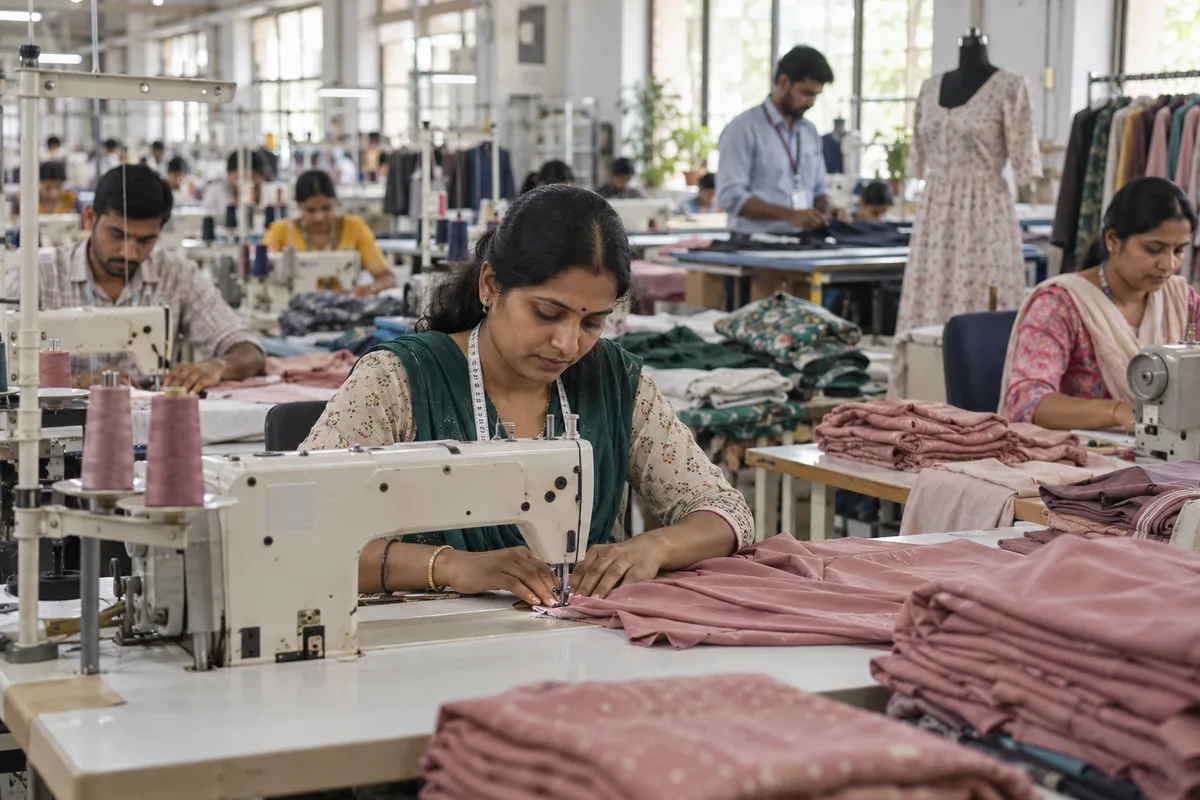
What follow up systems means
A follow-up system is the set routine for calling, messaging or emailing an enquiry more than once, since most buyers do not decide on the first conversation. GullySales sets the number and timing of follow-ups so an undecided buyer keeps hearing from you until they decide either way.
Last updated 5 Oct 2026.
For garment manufacturers
Where it usually goes wrong, and what we would do.
“Silence after the sample is the usual end of a deal”
The courier confirms delivery and the unit waits politely. The brand's team is busy with ten other samples and the one that is not chased slips down the pile. A message on the day of delivery asking for fit comments keeps the sample on the table.
“A costing sent without a question gets no answer”
An email with a price and a sign-off line invites no reply. A costing that asks one thing, such as whether the target price or the quantity is the bigger problem, gives the buyer something easy to answer and gives you the real objection.
“Seasons make the best follow-up date”
A buyer who passed in spring plans autumn lines months ahead. A note in the diary to return when their next range is being planned reaches them while the decision is open, not after it has closed.
“The fair visitor is warm for a short while”
A card collected at a trade fair means little by the time the stall is packed. The visitor met several units that day. Whoever sends a clear note about the product they discussed, with a sample offer, is remembered when the visits are compared.
What we do
What we deliver for garment manufacturers.
Every deliverable, what it covers for you, and the result it is there to produce. Nothing here is an extra.
A follow-up path for each stage
The next step, the person responsible and the date for costing sent, sample dispatched, sample delivered and order quoted.
Result: Each open file has a next action.
Message templates for WhatsApp and email
Short messages for a costing, a delivered sample, a fit comment request and a gentle second reminder, written in a merchandiser's plain voice.
Result: Your team does not start from a blank screen.
A rule for what happens when a buyer stays silent
A set number of reminders, a change of channel and a final note that leaves the door open, agreed once by the owner.
Result: A silent buyer is closed on a decision, not forgotten.
A review of stuck samples and unanswered costings
A standing slot where the owner and merchandisers read the list of samples without a decision and assign each one.
Result: Nothing waits for months unseen.
Return dates for buyers who said not now
A dated reminder tied to the buyer's own season, with a note on what was discussed last time.
Result: Buyers who paused are approached when they plan again.
How the result is measured
- Follow-up completion rate
- Average number of follow-ups before close
- Enquiries closed after repeat follow-up
Recorded as a baseline before work starts, so every later report has an honest comparison.
What to capture or send
The moments in a garment order that need a message.
- Tech pack received, costing sent
- Record the date and the one question asked in the costing, such as the fabric or quantity. A reply to that question is easier to give than a general check.
- Sample dispatched
- Message the buyer with the courier reference and what to check on arrival. The follow-up date is set here, before the silence begins.
- Sample received, no feedback
- Ask a single question about fit, fabric or finish. A buyer who answers one point is more likely to answer the rest.
- Buyer said not now
- Write down the season or event they named and set a return date near it. A note on the next collection is a reason to write.
- Order placed and shipped
- Send the packing details and invoice documents the buyer needs. A clean handover is what makes the next order easy to ask for.
Who it is for
This is written for these garment manufacturers.
- Knitwear and T-shirt manufacturers
- Woven shirt and trouser manufacturers
- Women's ethnic wear manufacturers
- Kids' wear manufacturers
- Export-oriented garment units
- Private label and contract manufacturers for D2C brands
- Corporate, promotional and uniform garment makers
- Activewear and athleisure manufacturers
- Job work and CMT units
Not for
It is not the right fit if.
- You have no costings or samples out with buyers right now, so there is nothing to follow up and the system would sit idle.
- Nobody on the team is told that follow-up is their job, and a plan with no owner is only a document.
- Your buyer relationships run through an agent who forbids direct contact, and messages sent around them would end the arrangement.
How it works
How the follow up systems work runs
The work itself, in order. How an engagement starts, from your brief to a written scope, is set out on our method page.
- 1
Measure today's reply time
From your recent enquiries, we set the time each arrived against its first reply, using the call log, chats, form entries and portal panel. We also count the follow-ups each one got.
- 2
Agree targets and the sequence
We set reply targets and the follow-up sequence with your team, based on its real hours and workload.
- 3
Write the templates and first-call questions
The first reply, the quote follow-up and the last attempt are written in your voice and loaded as quick replies. The first-call questions are agreed with your best salesperson.
- 4
Set ownership, tasks and alerts
Named owners, cover for leave and CRM or sheet tasks go live. App alerts, such as IndiaMART's, are switched on for the right phones.
- 5
Track and adjust
Reply time and follow-up completion are reported against the baseline, and the routine is changed where it is not kept. How often you are reported to is agreed in writing.
Where this fits
Three pieces of sales work, in this order.
This work sits inside sales process design, at stage 2, qualification. The audit comes before it, and sales management keeps it running.
Step 1
Sales audit
Find where deals are being lost and what to fix first.
Start here if you cannot say where orders are lost.
Step 2 · you are here
Sales process design
One written way to sell, from first enquiry to repeat order.
Start here if every salesperson sells differently.
Step 3
Sales management
A target, a review routine and someone who owns the number.
Start here if the team has targets and no routine.
FAQ
Questions owners ask before they call.
Not here? More answers, or ask on WhatsApp.
How often should we message a buyer who has not replied?
Does chasing a sample put buyers off?
Who should do the follow-up, the owner or the merchandiser?
What do we do when the buyer's merchandiser has left?
How much does it cost?
How long is the contract?
How soon will we see results?
Who will actually do the work?
What do you need from us?
What if we are not happy with the work?
From the blog
Further reading for garment manufacturers.

More for garment manufacturers
Everything else we would do for you.
Closest to this: leads and follow-up
Also for garment manufacturers
Or start from the overview: sales and marketing for garment manufacturers.
Your next practical step
Tell us what you are trying to grow, and we will read it before we call.
Eight short steps, mostly taps. Skip anything you would rather answer on the call.