Handbag manufacturers · Content marketing
Publish the guides a boutique owner reads before choosing a bag supplier.
Content marketing for a handbag manufacturer means writing and photographing the material a reseller or brand reads while deciding whom to buy from. GullySales works on the lookbook, the buyer guides and the product notes, planned around the questions your own buyers ask.
Scope, fee, reporting and term are agreed in writing after we have read your brief and spoken to you.
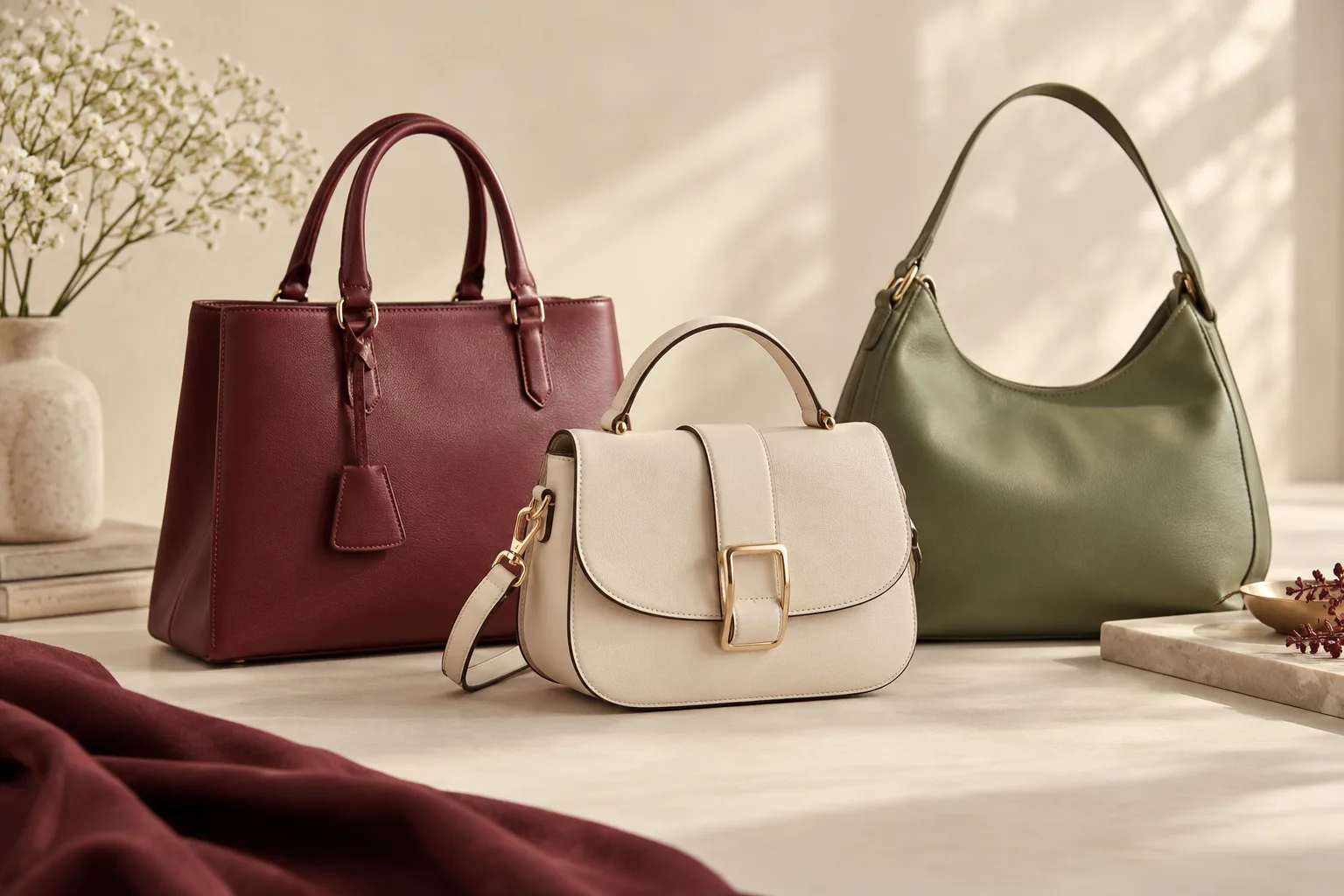
What content marketing means
Content marketing is writing articles, guides and pages that answer the questions buyers search before they are ready to enquire. This makes your business visible and trusted before the first call. GullySales plans this content from the first conversation onward, choosing topics that match real search demand rather than guesses.
Also for handbag manufacturers
- Social media marketing for handbag manufacturers
- Lead generation for handbag manufacturers
- SEO for handbag manufacturers
- Buyer personas for handbag manufacturers
- CRM for handbag manufacturers
- Follow-up systems for handbag manufacturers
- WhatsApp marketing for handbag manufacturers
- Digital marketing for handbag manufacturers
Sales and marketing for handbag manufacturers, the overview.
Last updated 14 Nov 2026.
For handbag manufacturers
Where it usually goes wrong, and what we would do.
“Buyers want to know what a good finish looks like”
A new reseller cannot tell fine stitching from loose stitching in a thumbnail. A short guide showing lining, edge finish and hardware on your own bags teaches the buyer what to look for and shows you pass.
“Material questions go unanswered”
PU, fabric and leather behave differently on a shelf, in the rain and over a season. A reseller unsure of the difference hesitates. A plain note on each material, written for a shop owner, removes the hesitation.
“Seasons need planning, and buyers want warning”
Wedding and festive demand reaches shops before it reaches shoppers. A reseller reading your festive plan early can book stock. A launch announced late meets buyers who have already filled their shelves elsewhere.
“Private label buyers read before they ask”
A small brand researching a manufacturer wants to know minimums, sampling and exclusivity before the first call. Content that answers these draws that buyer in already informed, which shortens the talk later.
What we do
What we deliver for handbag manufacturers.
The work available for this need. We agree the deliverables and responsibilities for your engagement in writing.
A seasonal lookbook as a page and a PDF
Designs grouped by use and season, with materials, sizes, colours and rate, kept as a page and a forwardable file.
Result: One current document that every sales reply can carry.
A reseller guide to choosing bags for a shelf
A plain article on mixing sizes, colours and materials in a first lot, using your own range as the examples.
Result: A new buyer builds a first order with your help in advance.
Finish and construction explainers
Short pieces with close photographs of lining, zips, handles and stitching on your bags.
Result: Buyers can see the build quality you claim.
A private label guide
What you make under another name, sample steps, the minimum per style and how exclusive designs are handled.
Result: A brand enquiry arrives already informed.
A festive and wedding calendar for resellers
A dated plan of the collections you will show and when, built from your past order pattern.
Result: Resellers know when to expect each range.
A content record against enquiries
Which pieces were read and which led to a message or a lookbook request.
Result: You learn which topics are worth writing next.
How the result is measured
- Pages published
- Organic traffic
- Enquiries from content pages
Recorded as a baseline before work starts, so every later report has an honest comparison.
Posts and pieces to plan
Write pieces that answer what a shop owner asks before ordering.
- How to check a bag's stitching before accepting a lot
- A checklist with close photographs, written from the factory's own quality inspection.
- PU or leather: what a reseller should know
- A comparison of feel, wear and price band in your own terms, so the buyer chooses with open eyes.
- Packing and labelling for retail shelves
- A note on tags, dust bags and cartons, with the options you actually offer.
- How a private label order moves from sample to lot
- A step-by-step description of approvals, logo placement and sign-off.
- Colours and designs that suit the wedding season
- A planning guide for resellers, using the factory's own observation of what shops reorder.
Who it is for
This is written for these handbag manufacturers.
- Ladies' handbag and tote manufacturers selling to wholesalers
- Sling, clutch and party bag makers
- College and office backpack manufacturers
- Laptop and utility bag makers
- Faux leather (PU) bag factories
- Genuine leather handbag workshops
- Private label bag makers supplying online sellers and D2C brands
- Promotional and corporate bag manufacturers
Before you decide
When this may not be the right fit.
- Your team has not yet agreed on what the factory can promise on finish and defect handling, so a published guide would set expectations you cannot keep.
- You have no photographs of your own work, and stock images would make the guide look generic.
Before you decide
Agree the work. Know how to judge it.
Content marketing for handbag manufacturers: use these checks to prepare, choose the scope, and review what changes.
Bring the right evidence
Bring questions from sales calls and examples of objections that delay a decision. Choose a subject expert who can check the substance, and identify evidence that can be published.
Make the scope clear
Agree the reader, buying question, format, and distribution route for each piece. Set the approval process and distinguish new research from rewriting material you already have.
Check the work in use
Ask a colleague to use the draft in a real buyer conversation. It should answer the question, support its claims, and make the next step clear without requiring a sales pitch to explain it.
Know when to change course
If the same unanswered question appears in several articles, improve the strongest page before commissioning another. More words are not a substitute for missing evidence.
These are discussion points, not a fixed package. GullySales confirms the deliverables, responsibilities, fee, and term in writing after reading your brief and speaking with you.
Before we start
What to have ready before the work starts.
The records, access and decisions this work needs from handbag manufacturers. Anything missing is noted in the written scope, with who will supply it.
- Questions your sales person hears from buyers
- A page of the real questions, as buyers phrase them, is enough. They are the topics for the guides. Without them we write about what bag sites in general cover, and the pieces answer questions your buyers have never asked.
- A supervisor's time on the workshop floor
- Someone who knows the stitching, the materials and the quality checks needs to walk us through them, with a phone camera if possible. If this time cannot be found, finish pieces are left out and the content cannot show why your bags hold up.
- Material and supplier facts you can state
- Tell us what you are willing to say about the fabric, PU, leather, lining and hardware you use. We publish only what you confirm. If you prefer silence on materials, the guides stay on design and lot rules, which weakens the quality case.
- Your festive and wedding season calendar
- List the seasons your buyers stock for and when they place orders. The calendar guide depends on it. If you have not mapped the seasons, we draft from general market knowledge and ask you to correct it, which slows approval.
- Approved designs ready to be photographed
- Pick the designs that will appear in the lookbook and have physical samples ready. A lookbook without finished samples shows prototypes that buyers then ask for in vain. If the designs are not fixed, the lookbook waits.
How it works
How the content marketing work runs
The work itself, in order. How an engagement starts, from your brief to a written scope, is set out on our method page.
- 1
Collect the questions buyers keep asking
We sit with whoever answers buyer calls and messages and list the questions heard again and again: lot size, colour mix, material, lining, own label, delivery to other cities. You add the questions that cost you orders. This list, not a keyword tool, decides which guides are written and in what order.
- 2
Choose the first lookbook and guide topics
From the list you and we pick the seasonal lookbook and two or three guides, such as how a boutique owner chooses bags for a shelf. You say which topics you would never publish, for instance exact margins or the names of the shops you supply. We write a short brief for each approved piece naming the facts we need from you.
- 3
Sit in the workshop for the finish detail
We visit the production floor, or a video call from it, and photograph or record the stitching, edge finish, lining, zips and hardware. Your supervisor explains what a good finish looks like. These explanations are the raw material for the finish and construction pieces, so nothing is borrowed from elsewhere.
- 4
Draft the pieces and check every fact
We write the lookbook text, the reseller guide and the finish explainers, marking each factual statement such as material, size or lot rule. You or your supervisor check each marked line. A material described wrongly is corrected before anything is released, and a piece you reject is dropped.
- 5
Release the pieces and hand over to sales
Approved pieces go on the website, into the WhatsApp message set and onto Instagram as you choose. The sales person gets a short note on which piece answers which question, so it can be sent in reply. The lookbook is also saved as a PDF for buyers who prefer to forward a file.
- 6
Read which pieces buyers mention
Before publishing we noted the enquiries that came in and the orders booked. Afterwards the sales person records which piece a buyer mentioned or received before ordering. We set that beside the earlier figures, and you decide which topics to extend and which pieces to rewrite or retire.
Where this fits
Three pieces of sales work, in this order.
This work sits inside sales process design, at stage 0, foundation. The audit comes before it, and sales management keeps it running.
Step 1
Sales audit
Find where deals are being lost and what to fix first.
Start here if you cannot say where orders are lost.
Step 2 · you are here
Sales process design
One written way to sell, from first enquiry to repeat order.
Start here if every salesperson sells differently.
Step 3
Sales management
A target, a review routine and someone who owns the number.
Start here if the team has targets and no routine.
FAQ
Questions owners ask before they call.
Not here? More answers, or ask on WhatsApp.
What should a bag factory write about first?
Who should appear in the photographs?
Is video worth making?
Can we publish the real cost of materials in a guide?
Should a guide name the markets where our bags sell best?
How long should a lookbook PDF be?
How long is the contract?
Who will actually do the work?
What do you need from us?
What if we are not happy with the work?
More for handbag manufacturers
Related work to consider.
Closest to this: content and social
Also for handbag manufacturers
Or start from the overview: sales and marketing for handbag manufacturers.
Your next practical step
Tell us what you are trying to grow, and we will read it before we call.
Eight short steps, mostly taps. Skip anything you would rather answer on the call.