Handbag manufacturers · Buyer persona
Know the boutique owner, the wholesaler and the online seller as three different buyers.
A buyer persona for a handbag manufacturer is a written profile of one type of buyer: what they order, what they ask first and what makes them reorder. GullySales builds the profiles from your own order and enquiry history, so the replies and the lookbook speak to each.
Scope, fee, reporting and term are agreed in writing after we have read your brief and spoken to you.
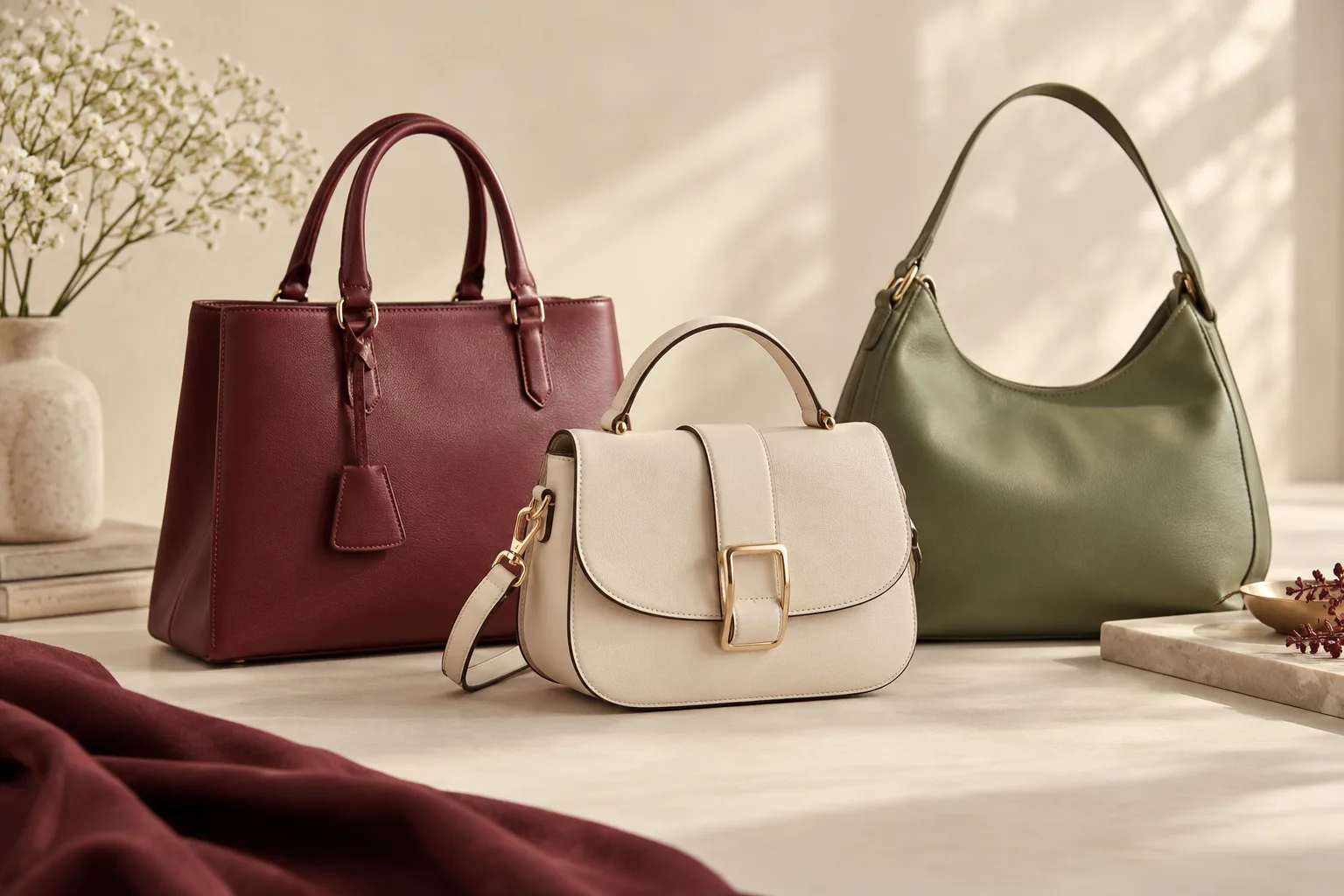
What buyer persona means
A buyer persona is a plain description of the kind of customer who actually buys from you. It includes what they search, what worries them and who else they ask before deciding. GullySales builds this from real enquiries and past sales rather than a generic template, then uses it to write every page and advert.
Also for handbag manufacturers
- Digital marketing for handbag manufacturers
- Lead generation for handbag manufacturers
- SEO for handbag manufacturers
- Social media marketing for handbag manufacturers
- Content marketing for handbag manufacturers
- CRM for handbag manufacturers
- Follow-up systems for handbag manufacturers
- WhatsApp marketing for handbag manufacturers
Sales and marketing for handbag manufacturers, the overview.
Last updated 14 Nov 2026.
For handbag manufacturers
Where it usually goes wrong, and what we would do.
“The boutique owner buys with the eye and a small purse”
This buyer picks a handful of designs, wants mixed colours and decides on a photograph and a rate. A long specification sheet loses them. A clear picture, a price and a trial-lot offer matches how they buy.
“The wholesaler buys the mix and the margin”
A wholesaler supplying a string of shops looks at price per piece, lot size and consistency from one lot to the next. They test you with a small order first and reorder only if the finish matches the sample.
“The online seller wants photographs and a safe supplier”
A marketplace or D2C seller needs images to reuse, a dependable finish and sometimes their own label. Their risk is returns, so they ask about defects and replacements before they ask about price.
“The corporate buyer wants a logo on a plain bag”
Promotional buyers choose a standard bag and want it branded, with a sample and a firm delivery commitment from you. Their order is occasional and large, and the conversation runs through procurement, not a design shortlist.
What we do
What we deliver for handbag manufacturers.
The work available for this need. We agree the deliverables and responsibilities for your engagement in writing.
Four written buyer profiles
Boutique owner, wholesaler, online seller and corporate buyer, each with what they order, what they ask and what worries them.
Result: Everyone selling your bags describes the buyer the same way.
A map from past orders to personas
Existing buyers sorted into the profiles using their order history and enquiry wording.
Result: Each buyer on your list carries a type.
A reply script for each persona
The first message, the usual objections and the offer for each buyer, written in your team's voice.
Result: The right first answer goes out whoever picks up the chat.
Lookbook versions for each buyer
The same range presented to emphasise price and mix for the wholesaler, photographs for the seller and logo options for the corporate buyer.
Result: Every buyer meets the emphasis that matters to them.
Reorder triggers for each persona
What brings each type back: sell-through, a new colour, a season or a defect resolved.
Result: You know when to contact each buyer and why.
A review of the profiles against new orders
The profiles checked against recent enquiries and corrected where buyers behave differently.
Result: Personas stay tied to real buyers.
How the result is measured
- Enquiry match to persona
- Conversion rate by persona
- Content aligned to persona
Recorded as a baseline before work starts, so every later report has an honest comparison.
Who is asking
These are the buyers who ask a bag factory for samples.
- Boutique owner with a small shelf
- Wants a few designs in mixed colours, a modest first lot and a supplier who will replace a damaged piece.
- Wholesaler serving several small shops
- Wants a design mix that moves, steady supply and a rate that leaves room for their own margin.
- Online seller building a store
- Wants clean photographs, packaging that survives courier, and a supplier who delivers what the sample promised.
- Brand looking for a private label maker
- Wants a sample approved in writing, control over the logo and a factory that keeps a design to itself.
- Corporate buyer ordering gift bags
- Wants a plain bag with a printed logo, a firm date for an event and clear approval of the logo proof.
Who it is for
This is written for these handbag manufacturers.
- Ladies' handbag and tote manufacturers selling to wholesalers
- Sling, clutch and party bag makers
- College and office backpack manufacturers
- Laptop and utility bag makers
- Faux leather (PU) bag factories
- Genuine leather handbag workshops
- Private label bag makers supplying online sellers and D2C brands
- Promotional and corporate bag manufacturers
Before you decide
When this may not be the right fit.
- You have not yet taken a single order from some of these buyers, so a persona would rest on what you imagine they want.
- You sell only one design to one type of buyer, which makes extra personas unnecessary.
Before you decide
Agree the work. Know how to judge it.
Buyer personas for handbag manufacturers: use these checks to prepare, choose the scope, and review what changes.
Bring the right evidence
Write the decision the research must support, such as entering a market or choosing a buyer group. Separate what you know from sales records from what the team currently assumes.
Make the scope clear
Agree which buyers to speak to, which sources to review, and what access you can provide. Include lost enquiries and people who chose another supplier, where they are willing to take part.
Check the work in use
Look for source dates, sample limitations, and evidence that disagrees with the preferred answer. A recommendation should show how it follows from the findings.
Know when to change course
Do not treat a few positive conversations as proof of demand. Test the proposed offer with an actual buying decision before committing to a wider launch.
These are discussion points, not a fixed package. GullySales confirms the deliverables, responsibilities, fee, and term in writing after reading your brief and speaking with you.
Before we start
What to have ready before the work starts.
The records, access and decisions this work needs from handbag manufacturers. Anything missing is noted in the written scope, with who will supply it.
- The buyer list with city and last order
- A sheet of buyers with city, business type and the last lot taken is enough. Phone contacts with notes also work. Without it we cannot sort buyers into groups, and the profiles rest on how the factory thinks of buyers, not how they behave.
- Three buyers willing to speak briefly
- Pick buyers who know your bags well and are happy to answer a few questions. You make the first contact. If nobody is willing, the profiles are built from your sales person's memory alone and carry less detail about why buyers choose you.
- Notes on orders that were lost
- Any record of buyers who asked for rates and did not order, with the reason you were told, is valuable. A line each will do. Without it the profiles describe only buyers who said yes, and the objections that matter stay unseen.
- Your sales person's time for one long talk
- The person who speaks to buyers all through the working week knows more than any record. They need an unhurried conversation. If they cannot be spared, the sheets are thinner and lack the phrases buyers actually use.
- Your own list of buyers you want more of
- Say which buyer type you wish to attract, whether boutique owners in a new city, online sellers or brands. The sheets rank by this choice. If it is unsettled, all four profiles receive equal weight and the plan lacks a direction.
How it works
How the buyer persona work runs
The work itself, in order. How an engagement starts, from your brief to a written scope, is set out on our method page.
- 1
Sort last year's buyers into groups
We begin with your order book and buyer contacts. Together we sort the buyers into those who run a boutique or shop, wholesalers, online sellers, brands wanting own label and corporate buyers. You tell us which buyers you remember best and why. This sorting shows which persona sheets are worth writing.
- 2
Trace three orders from first message to lot
We choose one boutique order, one wholesale order and one online seller order, and follow each from the first message to dispatch. Your sales person tells us what the buyer asked, what held them back and what finally decided them. Each trace is written down in plain words, with names removed.
- 3
Interview a few buyers you trust
With your permission we speak to a few buyers, or you ask them our short questions yourself: how they find suppliers, what they check on a bag and what makes them reorder. The answers are kept anonymous. You choose the buyers, and we do not contact anyone you have not approved.
- 4
Write the profiles, test them on sales
We write each profile on one page, covering what the buyer looks at, what they fear, what lot size they handle and how they like to be answered. Your sales person reads them and says which ring true. A profile that does not sound like a real buyer is rewritten or dropped.
- 5
Turn each profile into a reply and a lookbook
For each persona we write the first reply, the reorder prompt and the version of the lookbook that suits them. A boutique owner sees small mixed lots, an online seller sees build detail and photographs. You approve each and decide which to put in use first.
- 6
Compare new orders with the profiles
After the profiles are in use, your sales person marks each new order with the persona it resembled. We set that against the order book recorded before the work. A persona that matches no buyer is removed, and a buyer type that keeps appearing without a profile gets one.
Where this fits
Three pieces of sales work, in this order.
This work sits inside sales process design, at stage 0, foundation. The audit comes before it, and sales management keeps it running.
Step 1
Sales audit
Find where deals are being lost and what to fix first.
Start here if you cannot say where orders are lost.
Step 2 · you are here
Sales process design
One written way to sell, from first enquiry to repeat order.
Start here if every salesperson sells differently.
Step 3
Sales management
A target, a review routine and someone who owns the number.
Start here if the team has targets and no routine.
FAQ
Questions owners ask before they call.
Not here? More answers, or ask on WhatsApp.
How big should the persona set be for a bag factory?
Where does the information come from?
Will knowing the buyer type alter our quoted rates?
Which buyer type is hardest to serve from a small factory?
Will the personas change the rates we quote?
Should a small factory serve all four buyer types?
How much does it cost?
How long is the contract?
How soon will we see results?
Who will actually do the work?
More for handbag manufacturers
Related work to consider.
Closest to this: strategy and research
Also for handbag manufacturers
Or start from the overview: sales and marketing for handbag manufacturers.
Your next practical step
Tell us what you are trying to grow, and we will read it before we call.
Eight short steps, mostly taps. Skip anything you would rather answer on the call.