Handbag manufacturers · Lead generation
Bring in boutique owners and online sellers who will actually reorder your bags.
Lead generation for a handbag factory means putting the range in front of resellers, wholesalers and small brands who buy bags in lots, and capturing who they are when they ask. GullySales works on the enquiry routes, the first reply and the record of which designs drew which buyer.
Scope, fee, reporting and term are agreed in writing after we have read your brief and spoken to you.
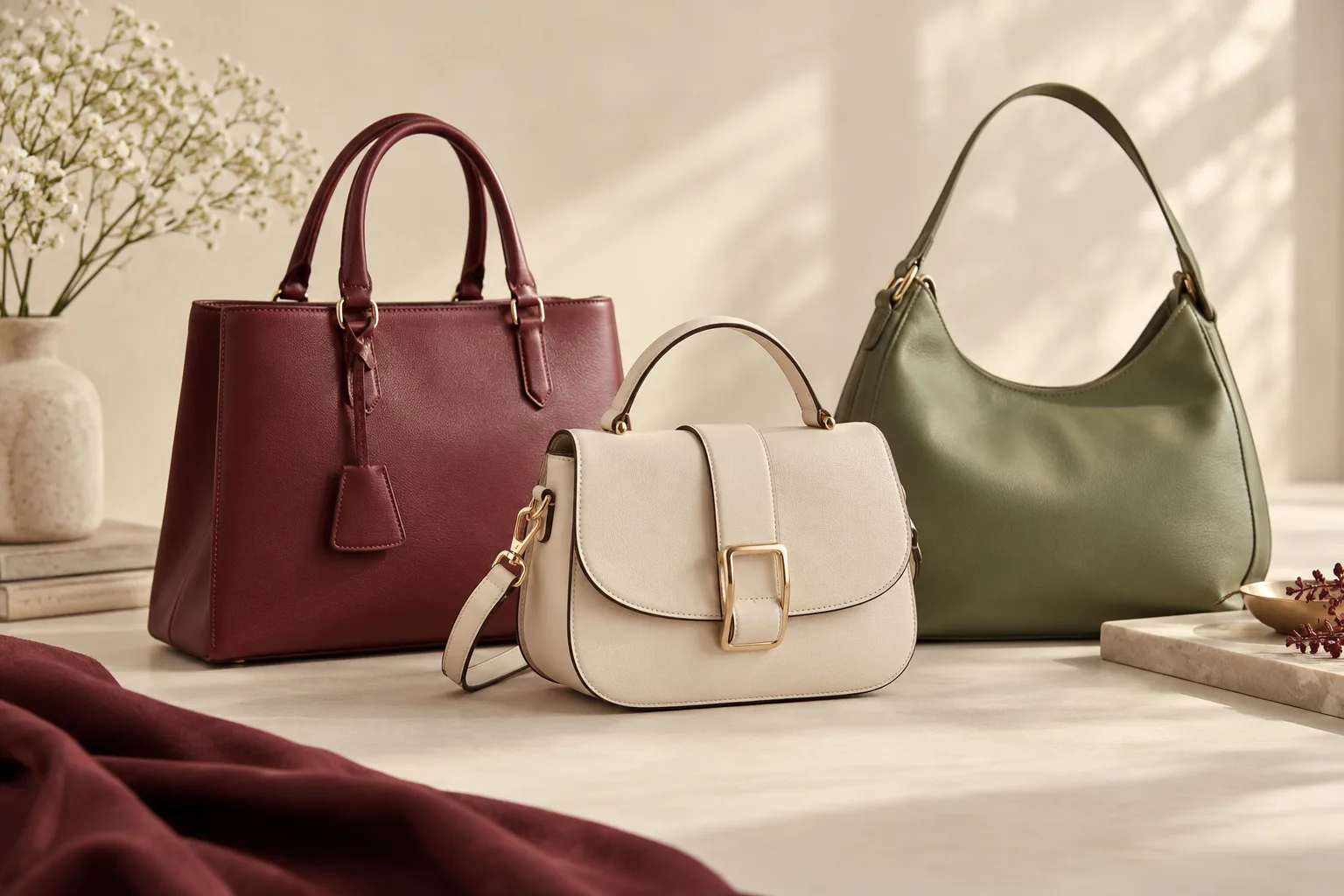
What lead generation means
Lead generation is the combined work of every channel that brings in a new enquiry, whether from search, adverts, referrals or a stall at an exhibition. GullySales runs these channels together and reports the number of enquiries each one produced, not the activity behind it.
Also for handbag manufacturers
- CRM for handbag manufacturers
- Follow-up systems for handbag manufacturers
- SEO for handbag manufacturers
- Social media marketing for handbag manufacturers
- Content marketing for handbag manufacturers
- Buyer personas for handbag manufacturers
- WhatsApp marketing for handbag manufacturers
- Digital marketing for handbag manufacturers
Sales and marketing for handbag manufacturers, the overview.
Plan the next part of the work
Last updated 21 Nov 2026.
For handbag manufacturers
Where it usually goes wrong, and what we would do.
“A shortlist is a lead, even when no order follows”
A boutique owner who forwards six bags to a sister has told you which designs interest them. If the enquiry lands in a chat thread with no note of the city, the designs and the buyer type, the next collection goes to nobody in particular.
“Wholesalers, online sellers and brands are three different enquiries”
The wholesaler asks for rate per piece and mixed colours. The online seller asks for a sample and photographs. The brand asks about its own label and exclusivity. One generic reply answers none of them, and each buyer drifts to the factory that answered the actual question.
“Marketplace enquiries arrive thin”
An IndiaMART message that says only 'ladies bag price' gives you no design, quantity or city. A first reply that asks those three things in plain words turns a vague tap into a quotable lead and filters out the browser.
“The best lead is the buyer who sold out”
A reseller whose last lot cleared is the easiest order you will ever win. Without a list that records last purchase and designs sold, that buyer hears about the new range only if you happen to remember them.
What we do
What we deliver for handbag manufacturers.
The work available for this need. We agree the deliverables and responsibilities for your engagement in writing.
A single enquiry route for every source
Instagram messages, marketplace leads, calls and WhatsApp forwards recorded in one list with source, city and buyer type.
Result: You can see which source brought which kind of buyer.
A first reply that asks for the quote details
A standard opening message asking for design, quantity and city, written separately for resellers, online sellers and brands.
Result: Every enquiry reaches your quoting desk with the details needed.
Lead forms on the lookbook page
A short form beside each design group asking for the shop type and city, so the lookbook itself collects the buyer.
Result: A visitor who browses leaves a name, not only a visit.
A trial-lot offer for small buyers
A written entry route for the buyer who wants only a few pieces, with a stated price and a path to larger lots.
Result: Small buyers get an answer that costs your team little time.
Launch lists by design and buyer type
Past enquirers grouped by what they asked for, so each new design reaches the buyers whose history matches it.
Result: New launches go first to the buyers whose history best matches them.
A source-by-source record against the baseline
Enquiries, shortlists and first orders by source, set against the picture before work began.
Result: You can check which routes produced orders and which produced noise.
How the result is measured
- Relevant enquiries by source
- Duplicate and unsuitable enquiries
- Time to the first response
- Accepted enquiries reaching an agreed next step
Recorded as a baseline before work starts, so every later report has an honest comparison.
What to capture at enquiry
Record these details when a reseller asks about your bags.
- Type of buyer
- Boutique, wholesaler, online seller or brand. Each asks for a different lot size and expects a different kind of reply.
- Bag types on the shortlist
- Totes, slings, clutches or backpacks. Shows which designs pull enquiries and which sit in the lookbook unseen.
- Material they asked for
- PU, fabric or leather. A buyer who wants genuine leather is not served by a PU line, so note it before quoting.
- Assorted lot or single design
- Whether they want a mix of designs and colours or a full run of one. It decides the sampling and the minimum order you discuss.
- City and how they found you
- Marketplace, Instagram, trade fair or referral. Tells you where the buyers who reorder actually come from.
Who it is for
This is written for these handbag manufacturers.
- Ladies' handbag and tote manufacturers selling to wholesalers
- Sling, clutch and party bag makers
- College and office backpack manufacturers
- Laptop and utility bag makers
- Faux leather (PU) bag factories
- Genuine leather handbag workshops
- Private label bag makers supplying online sellers and D2C brands
- Promotional and corporate bag manufacturers
Before you decide
When this may not be the right fit.
- You cannot spare the sampling time for a new buyer, so more shortlists would only mean samples left unmade.
- Your lookbook is out of date and the designs shown are no longer in production.
Before you decide
Agree the work. Know how to judge it.
Lead generation for handbag manufacturers: use these checks to prepare, choose the scope, and review what changes.
Bring the right evidence
Define the organisations or buyers you can serve and the reasons they would consider a conversation. Bring examples of accepted and rejected prospects so the selection rule is visible.
Make the scope clear
Agree the research sources, contact approach, qualification rules, and handover. Clarify which meetings count as accepted and what happens to replies that are not ready to buy.
Check the work in use
Review why a prospect was selected and what was learned from the response. Count held, relevant conversations separately from contacts found, messages sent, or meetings booked.
Know when to change course
If the same objection appears repeatedly, adjust the offer or buyer group before increasing outreach. Respect a request to stop contact and keep the exclusion in the record.
These are discussion points, not a fixed package. GullySales confirms the deliverables, responsibilities, fee, and term in writing after reading your brief and speaking with you.
Before we start
What to have ready before the work starts.
The records, access and decisions this work needs from handbag manufacturers. Anything missing is noted in the written scope, with who will supply it.
- The order book for the last two seasons
- We need the register or billing export showing buyer, city, designs, quantity and date for the orders taken. Photographs of handwritten pages are acceptable. Without it there is no baseline, every source looks equally productive, and the final reading is an opinion in place of a count.
- Access to the marketplace and trade accounts
- Add us as a viewer or manager on the IndiaMART, marketplace and listing accounts where enquiries arrive. If an account sits with a former employee, recovering it comes first. Missing access means those enquiries stay outside the single route and are simply lost from the count.
- Your minimum lot and assortment rule
- Write down the smallest lot you accept per design and whether colours may be mixed in an assorted lot. The first reply and the trial-lot offer depend on this. If you have not decided, the reply cannot state it, and every small buyer is left asking the same question.
- A person who will answer within the day's work
- Name the one person who sees every enquiry and replies, even if that is the owner at a desk after the factory floor closes. We do not set a time. Without a named person, the route fills with messages that nobody has been asked to answer.
How it works
How the lead generation work runs
The work itself, in order. How an engagement starts, from your brief to a written scope, is set out on our method page.
- 1
List every place an enquiry lands today
We begin with a sitting at the factory office where you show us each source: the WhatsApp groups, the trade-market visitors, the Instagram messages, the IndiaMART and marketplace alerts and the calls from other resellers. We note who answers each and where it is written down, if anywhere. This list becomes the one route that every enquiry will later pass through.
- 2
Count last season's shortlists and orders
From your order book, dispatch register or billing software we count how many buyers took a lot, how many asked for rates and went quiet, and which source each came from. Hand-written entries are acceptable. These counts are the baseline recorded before any change, so the final reading has something honest to be set against.
- 3
Agree what a first reply must ask
With the person who quotes, we decide the few details a reply needs before a rate can be given: city, shop or online seller, bag type, quantity per design and whether the buyer wants own-label work. We write the first reply around those questions, and you cut any that a buyer would find intrusive.
- 4
Send test enquiries from each source
We place sample enquiries from a marketplace, the lookbook form and a WhatsApp message, posing as a boutique owner and as an online seller. We watch where each arrives, who sees it first and whether the source is recorded. A misrouted message is corrected here, before any real buyer meets the new route.
- 5
Switch on the sources you choose and watch them
You decide which sources go live first and which stay as they are. We start those, with the trial-lot offer for small buyers if you approve it, and read the source-by-source record against your baseline. You then choose which source to feed further and which to leave, judged on lots ordered, not on messages received.
Where this fits
Three pieces of sales work, in this order.
This work sits inside sales process design, at stage 1, prospecting and lead generation. The audit comes before it, and sales management keeps it running.
Step 1
Sales audit
Find where deals are being lost and what to fix first.
Start here if you cannot say where orders are lost.
Step 2 · you are here
Sales process design
One written way to sell, from first enquiry to repeat order.
Start here if every salesperson sells differently.
Step 3
Sales management
A target, a review routine and someone who owns the number.
Start here if the team has targets and no routine.
FAQ
Questions owners ask before they call.
Not here? More answers, or ask on WhatsApp.
Should we chase every bag enquiry on the marketplaces?
How do we find boutique owners in cities we do not visit?
Is a site needed before leads will come in?
How do we tell a serious buyer from someone only collecting rates?
Do we need to stop the leads we already get from IndiaMART?
What if a buyer enquires from two places at once?
How much does it cost?
How long is the contract?
How soon will we see results?
Who will actually do the work?
More for handbag manufacturers
Related work to consider.
Closest to this: leads and follow-up
Also for handbag manufacturers
Or start from the overview: sales and marketing for handbag manufacturers.
Your next practical step
Tell us what you are trying to grow, and we will read it before we call.
Eight short steps, mostly taps. Skip anything you would rather answer on the call.