Innerwear manufacturers · Content marketing
Write the size guides and fabric explainers that retailers and shoppers return to.
Content marketing for an innerwear manufacturer is the writing, photographs and guides that answer what distributors, retailers and shoppers ask before they buy. It covers fit, fabric, care and how to stock the range. GullySales plans and writes these pieces so they work on your site, in print and on WhatsApp.
Scope, fee, reporting and term are agreed in writing after we have read your brief and spoken to you.
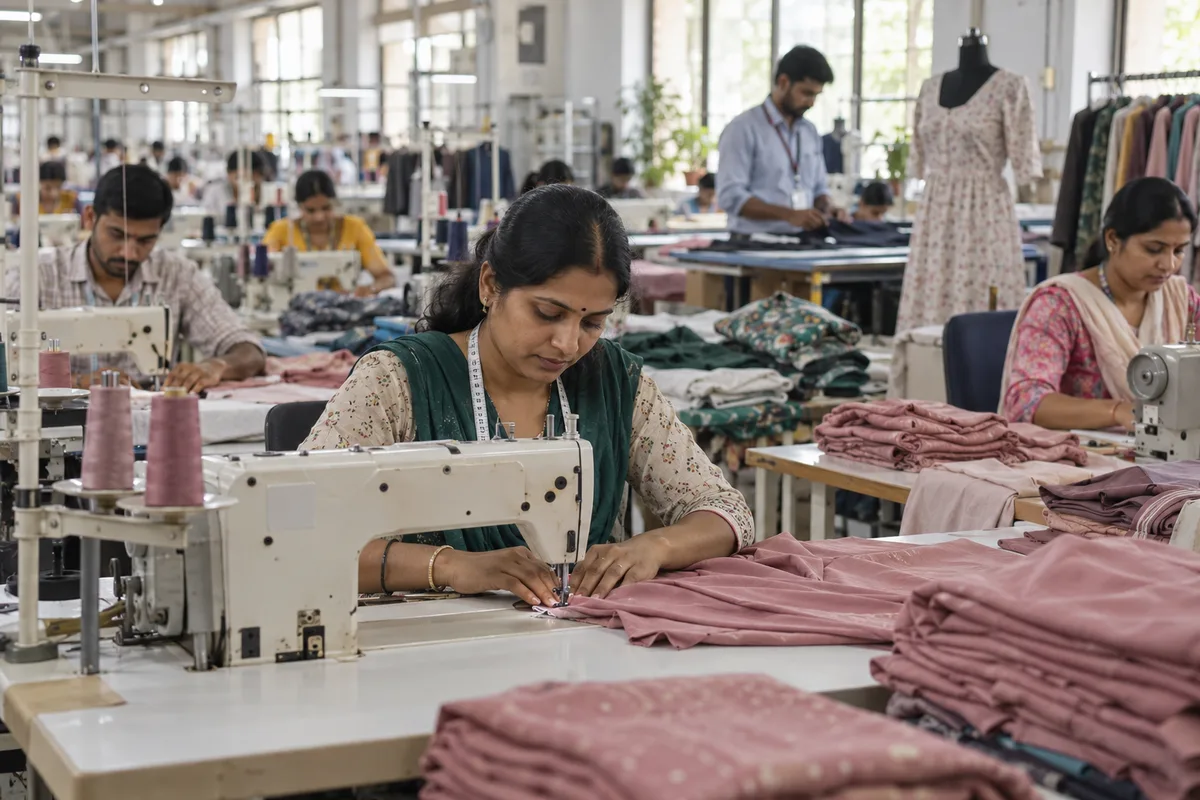
What content marketing means
Content marketing is writing articles, guides and pages that answer the questions buyers search before they are ready to enquire. This makes your business visible and trusted before the first call. GullySales plans this content from the first conversation onward, choosing topics that match real search demand rather than guesses.
Also for innerwear manufacturers
- Social media marketing for innerwear manufacturers
- Lead generation for innerwear manufacturers
- SEO for innerwear manufacturers
- Buyer personas for innerwear manufacturers
- CRM for innerwear manufacturers
- Follow-up systems for innerwear manufacturers
- WhatsApp marketing for innerwear manufacturers
- Digital marketing for innerwear manufacturers
Sales and marketing for innerwear manufacturers, the overview.
Last updated 14 Nov 2026.
For innerwear manufacturers
Where it usually goes wrong, and what we would do.
“A size guide is the page buyers need and brands skip”
Shoppers hesitate over bra sizing and vest fit more than over price. A guide that explains how to measure, with a chart that matches the garment, does the work of an expert at the counter.
“Retailers need reasons to recommend the brand”
A shopkeeper repeats what is easy to say, such as soft cotton, no shrinking or a good waistband. A one-page fabric explainer gives the shopkeeper those words and keeps the claim accurate.
“Distributors want something to show their retailers”
A distributor visiting a shop with only a price list has nothing to leave behind. A printed catalogue with a display guide stays on the counter and speaks for the brand after the visit.
What we do
What we deliver for innerwear manufacturers.
The work available for this need. We agree the deliverables and responsibilities for your engagement in writing.
Size and fit guides
Illustrated guides on measuring and choosing a size, written to match how the garment fits.
Result: A shopper can pick a size without calling the shop.
Fabric and care explainers
Short pieces on cotton, blends, thermals and washing, with only claims you can stand behind.
Result: Every claim on the page is one your lab or supplier supports.
Retailer display guide
A short guide with shelf layout ideas, size runs to stock and how to present the range.
Result: The shopkeeper knows how to set out the range.
Catalogue and line sheet
A printed and shareable catalogue with product codes, sizes, packing and ordering details.
Result: Your salesman and distributor leave the same document.
Seasonal content calendar
A plan for winter thermals, festival gifting and school season.
Result: Content is ready ahead of each buying season.
How the result is measured
- Pages published
- Organic traffic
- Enquiries from content pages
Recorded as a baseline before work starts, so every later report has an honest comparison.
Posts and pieces to plan
Plan the guides a retailer shows a customer and a distributor shows a shop.
- How to choose a vest by fabric
- A guide to cotton, blends and knit types in plain words. It needs the factory's own fabric details and a reviewer who knows the mill.
- Bra size and fit guide
- A step-by-step measuring page with a size chart. It needs the factory's pattern measurements checked, so the guide matches the product.
- Thermal wear care and layering
- A short piece on washing and wearing thermals through the winter. It needs care labels copied exactly from the product.
- Retailer display guide
- A one-page sheet showing how to arrange the range on a shelf, with a photograph. It needs a real shop layout to test it.
- Line sheet for the new season
- A trade document with the new lines, sizes, packs and scheme terms. It needs the sales head to approve every price and scheme line.
- School vest ordering guide
- A page for institutional buyers on sizes, colours and order lead requirements. It needs the stock plan so promised dates are real.
Who it is for
This is written for these innerwear manufacturers.
- Men's vest and brief manufacturers
- Women's bra and panty manufacturers
- Thermal and winter innerwear units
- Kids' innerwear and school vest makers
- Lounge wear and night wear manufacturers
- Shapewear and sports bra specialists
- Private label units for retail chains and online brands
- Regional hosiery brands selling through distributors
Before you decide
When this may not be the right fit.
- You have no test reports or fabric papers, so a fabric explainer would make claims you cannot support.
- No one can approve scheme terms in a line sheet, so the document would go out wrong or stay unsent.
Before you decide
Agree the work. Know how to judge it.
Content marketing for innerwear manufacturers: use these checks to prepare, choose the scope, and review what changes.
Bring the right evidence
Bring questions from sales calls and examples of objections that delay a decision. Choose a subject expert who can check the substance, and identify evidence that can be published.
Make the scope clear
Agree the reader, buying question, format, and distribution route for each piece. Set the approval process and distinguish new research from rewriting material you already have.
Check the work in use
Ask a colleague to use the draft in a real buyer conversation. It should answer the question, support its claims, and make the next step clear without requiring a sales pitch to explain it.
Know when to change course
If the same unanswered question appears in several articles, improve the strongest page before commissioning another. More words are not a substitute for missing evidence.
These are discussion points, not a fixed package. GullySales confirms the deliverables, responsibilities, fee, and term in writing after reading your brief and speaking with you.
Before we start
What to have ready before the work starts.
The records, access and decisions this work needs from innerwear manufacturers. Anything missing is noted in the written scope, with who will supply it.
- Measurement charts for every article
- The size charts the factory cuts to, with the measurements in the units you use. Guides are built from them. If the charts differ between lines or have never been written down, we first need the pattern master to confirm the sizes, and the guide waits until they agree.
- Fabric specification and test reports
- Composition, weight and any lab test results for the fabrics you use, with the lab's name. We write only what the documents support. Where there are no reports, claims such as breathable or soft are worded as description, and any health-style claim is left out.
- A set of products for the photographer
- Finished garments of each line, clean and pressed, with packaging. The catalogue and display guide rely on them. Samples that are creased or old make the line look cheap, and we would rather hold the catalogue than publish pictures that undersell the work.
- Notes from your best salesperson
- A conversation with the person who wins the largest reorders about what shop owners ask and what convinces them. Their words end up in the guides. Without it, the pieces answer the questions we imagine, and the retailer display guide especially loses its practical value.
- Your care instructions as printed on labels
- A copy of the label text and wash symbols for each fabric. The care explainer must agree with the label. A mismatch between the guide and the garment would produce returns, so we check each line against its label before the piece is released.
How it works
How the content marketing work runs
The work itself, in order. How an engagement starts, from your brief to a written scope, is set out on our method page.
- 1
Collect the questions retailers and distributors ask
We start with the sales team's call notes, the messages that reach the distributor desk and the questions asked at your trade fair stall. We list them by who asked, whether a distributor, shop owner or shopper. You tell us the ones asked repeatedly. The list shows which guides are worth writing first and who each is for. The notes are sorted by buyer, so the retailer display guide and the distributor pieces do not borrow each other's questions.
- 2
Visit the production floor for facts
We spend time with the production head and the quality checker to learn the fabrics, the stitching, the sizing and the care limits of each line. We read the existing labels and test reports with you. The writing rests on these facts, and any fabric claim is confirmed against a document before it appears.
- 3
Write the size and fit guides
From the measurement charts we write guides that show a buyer how to choose a size for each product, separately for the ranges that differ. Diagrams are drawn from your charts. The production head checks every measurement. A guide with a figure that the factory cannot stand behind is not published.
- 4
Draft fabric, care and display pieces
We write fabric and care explainers in plain language, a display guide for retailers showing how to stock and fold the range, and short notes distributors can pass to shops. Claims about the fabric are worded within what your tests show, and your own adviser confirms anything that sounds like a health claim.
- 5
Build the catalogue and line sheet
We turn the articles, photographs and codes into a catalogue and a line sheet that a salesperson can send in a message. Layout follows your brand. You review the codes, sizes and colours line by line. The sales team receives the final files with a short note on how to use them in the field.
- 6
Plan the seasonal calendar and read results
We lay out which pieces come before winter, summer and the festival season, and who writes and checks each. Before publishing we recorded retailer questions and enquiries. Afterwards we compare which pieces were opened or shared by distributors, and you decide which pieces to repeat. The production head signs off any piece that mentions a fabric before it is released to the field.
Where this fits
Three pieces of sales work, in this order.
This work sits inside sales process design, at stage 0, foundation. The audit comes before it, and sales management keeps it running.
Step 1
Sales audit
Find where deals are being lost and what to fix first.
Start here if you cannot say where orders are lost.
Step 2 · you are here
Sales process design
One written way to sell, from first enquiry to repeat order.
Start here if every salesperson sells differently.
Step 3
Sales management
A target, a review routine and someone who owns the number.
Start here if the team has targets and no routine.
FAQ
Questions owners ask before they call.
Not here? More answers, or ask on WhatsApp.
Who writes the fabric claims?
Do we need a blog if we sell through distributors?
Can we say our fabric is breathable or antibacterial?
Should size guides cover women's and men's ranges separately?
Who owns the guides and the catalogue?
Should the guides be available in regional languages?
How much does it cost?
How long is the contract?
How soon will we see results?
Who will actually do the work?
More for innerwear manufacturers
Related work to consider.
Closest to this: content and social
Also for innerwear manufacturers
Or start from the overview: sales and marketing for innerwear manufacturers.
Your next practical step
Tell us what you are trying to grow, and we will read it before we call.
Eight short steps, mostly taps. Skip anything you would rather answer on the call.