Innerwear manufacturers · Social media
Use social media to make retailers recognise the brand and shoppers ask for it.
Social media marketing for an innerwear manufacturer means posting fabric, fit and range content that a retailer trusts and a customer remembers. It must respect the sensitivity of the product. GullySales plans the content and the pages, and you approve what goes out.
Scope, fee, reporting and term are agreed in writing after we have read your brief and spoken to you.
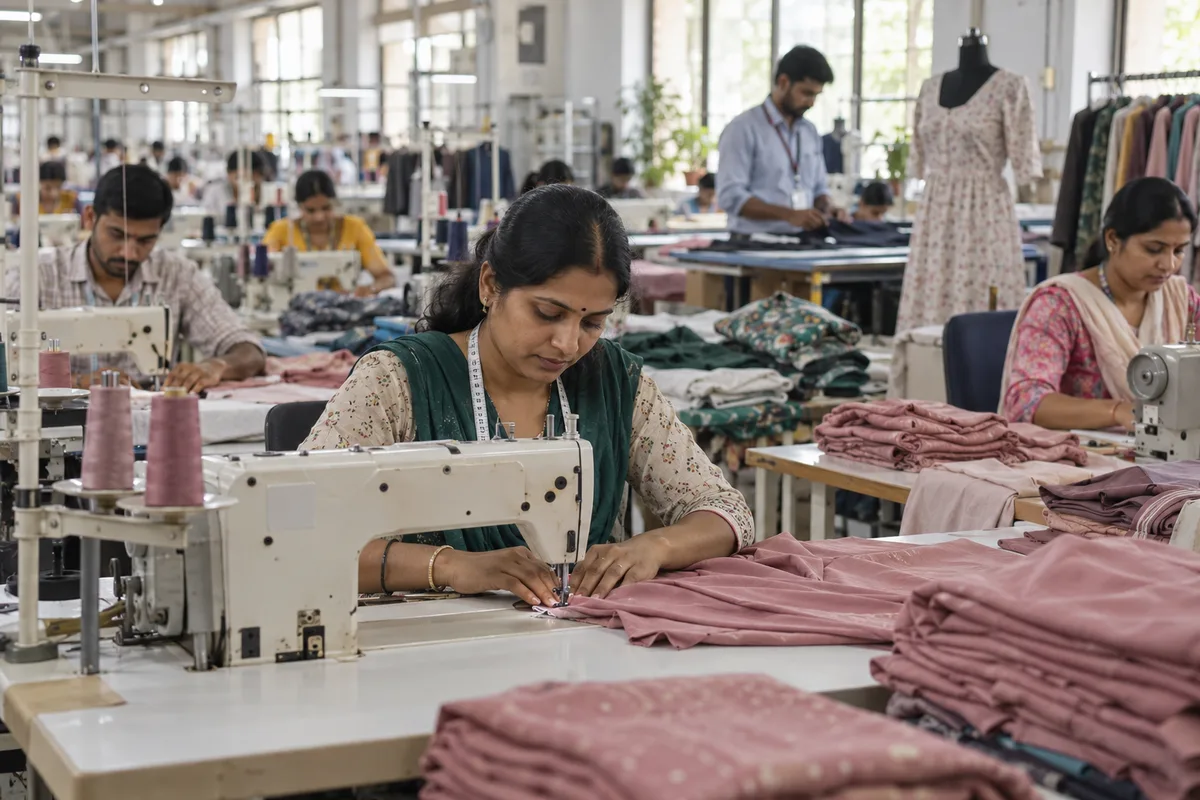
What social media means
Social media is the ongoing posting your business does on platforms such as Instagram, Facebook and LinkedIn to stay visible to customers and prospects between purchases. GullySales plans a posting calendar, writes captions and designs the images so the page looks active and answers what a visitor would ask.
Also for innerwear manufacturers
- Content marketing for innerwear manufacturers
- Lead generation for innerwear manufacturers
- SEO for innerwear manufacturers
- Buyer personas for innerwear manufacturers
- CRM for innerwear manufacturers
- Follow-up systems for innerwear manufacturers
- WhatsApp marketing for innerwear manufacturers
- Digital marketing for innerwear manufacturers
Sales and marketing for innerwear manufacturers, the overview.
Last updated 14 Nov 2026.
For innerwear manufacturers
Where it usually goes wrong, and what we would do.
“Retailers look at the brand's page before agreeing to stock”
A shopkeeper offered a new brand by a distributor will open the brand's page on a phone. An empty or stale page tells them nobody asks for it, and a clear one of fabric and range gives the pitch backing.
“Innerwear posts must be tasteful or they get reported”
Images that are too revealing can be removed or restricted by a platform, and they put off family buyers. Product-only photographs, flat lays and fabric close-ups carry the range without trouble. Check the platform's current rules.
“Fit and fabric content answers the question buyers carry”
Shoppers wonder how a garment feels after washing, whether it shrinks and which size to pick. A post that answers one of these does more than a discount banner.
What we do
What we deliver for innerwear manufacturers.
The work available for this need. We agree the deliverables and responsibilities for your engagement in writing.
Content plan by product line
A set of post ideas for each range, covering fabric, fit, care and use through the seasons.
Result: The page has a reason to post that is tied to the range.
Product photography brief
A shot list for flat lays, fabric close-ups and packaging that keeps the images suitable for all audiences.
Result: Your photographer knows what to capture.
Retailer-facing posts
Short posts for shopkeepers showing display ideas, new arrivals and scheme reminders.
Result: Your distributor has something to share with retailers.
Comment and message handling guide
Answers for size, price and stock questions, with a note on when to pass the buyer to the salesman.
Result: Questions get a consistent reply.
Platform choice note
A recommendation on which platforms to use for retailers and which for shoppers.
Result: You spend effort only where your buyers are.
How the result is measured
- Posts published
- Engagement rate
- Enquiries from social profiles
Recorded as a baseline before work starts, so every later report has an honest comparison.
Posts and pieces to plan
Plan posts that a retailer checks before agreeing to stock the brand.
- Fabric close-up with the weight stated
- A clear photograph of a vest or brief fabric with its composition and weight. It needs the test report or the mill's paper behind the words.
- Size run on a flat lay
- A product-only image of the full size range with measurements. It needs the size chart beside it, so the retailer sees the fit logic.
- A new season line for dealers
- A post announcing thermals or lounge wear for the trade, with the booking contact. It needs the line sheet ready before it goes out.
- Inside the factory
- A tidy clip of cutting or stitching that shows care without showing people's faces. It needs the owner's agreement and the workers' consent.
- A retailer's counter display
- A photograph of the brand on a shop shelf. It needs the shopkeeper's consent to be shown, and the shop's name only if they agree.
- How to choose the right size
- A short guide for shoppers that uses a measuring tape and plain words. It needs a reviewed size chart and no body images that breach platform rules.
Who it is for
This is written for these innerwear manufacturers.
- Men's vest and brief manufacturers
- Women's bra and panty manufacturers
- Thermal and winter innerwear units
- Kids' innerwear and school vest makers
- Lounge wear and night wear manufacturers
- Shapewear and sports bra specialists
- Private label units for retail chains and online brands
- Regional hosiery brands selling through distributors
Before you decide
When this may not be the right fit.
- Your team cannot reply to comments and messages, and retailers who ask about stock would be left waiting.
- Product photographs do not yet exist, so posts would use distributor pictures that vary in quality and rights.
Before you decide
Agree the work. Know how to judge it.
Social media marketing for innerwear manufacturers: use these checks to prepare, choose the scope, and review what changes.
Bring the right evidence
Review the posts that produced useful conversations, not only the ones with the most views. Gather buyer questions and decide which team member can contribute credible material.
Make the scope clear
Choose the audience and channel before setting a posting volume. Agree who supplies material, approves posts, and handles messages, including complaints or questions the agency cannot answer.
Check the work in use
Follow a post through to the profile, website, and response. A useful report explains the quality of conversations and enquiries, alongside reach and engagement.
Know when to change course
If publishing takes time away from unanswered buyer messages, fix the response routine first. Do not expand to another channel without a clear reason for being there.
These are discussion points, not a fixed package. GullySales confirms the deliverables, responsibilities, fee, and term in writing after reading your brief and speaking with you.
Before we start
What to have ready before the work starts.
The records, access and decisions this work needs from innerwear manufacturers. Anything missing is noted in the written scope, with who will supply it.
- Logins for every brand account
- Access to the accounts you own, including any that a distributor or an agency opened in your brand's name. Accounts we cannot reach cannot be corrected, and a duplicate account run by a third party will keep confusing retailers until it is claimed or reported.
- A sample of each line to photograph
- Finished pieces of every line in the sizes and colours you want shown, pressed and packed as a shop would see them. The shoot needs them in hand. Without the samples, the posts use factory images that may show a line already discontinued.
- A decision on models and imagery
- Whether the brand shows people wearing the product, and if so who may be photographed and with what consent. Only the owner can decide. If the answer is no, the plan relies on flat lays, fabric and mannequins, and the content is written to suit.
- A person to run the account
- Someone in your team, or a named person we work with, who posts and answers comments. They need to know the range and the schemes. Without a person, posts go out and the comments are left, which retailers notice and treat as a sign of a brand that does not respond.
- Your current schemes and launch dates
- The new articles, schemes and seasonal pushes the sales head plans, written down. The content plan follows them. Posts about a scheme not yet confirmed must wait, so unfinished plans leave gaps in the plan that we fill with fabric and fit posts.
How it works
How the social media work runs
The work itself, in order. How an engagement starts, from your brief to a written scope, is set out on our method page.
- 1
Review the page a retailer sees first
We open your current accounts as a retailer deciding on a new brand would, and note what they find: product photographs, tone, how recently anything was posted and how comments are handled. You tell us which accounts are official. This shows what the brand already says and what to correct before more is added.
- 2
Agree what the brand may show
With the owner we write the limits for innerwear content: how products are displayed, whether models appear, what words are used and what comment replies are acceptable. We check the platform's current rules on such products. You decide the limits, and they apply to every post, including those written by a distributor.
- 3
Plan posts by product line
We prepare a content plan that gives each line its turn: everyday basics, thermals before winter, sports wear and the festival gift packs. Each post type has a purpose, such as showing fabric weight, explaining a size chart or announcing a new article. The plan is written with the sales head so posts support what the field team is pushing.
- 4
Brief the product photography
We write a shot list for the fabric close-ups, flat lays, packaging and factory scenes that suit the platforms. It states backgrounds, light and framing, and what must not appear. A photographer or your team follows it. You approve the first batch before anything is posted.
- 5
Write the retailer-facing posts and reply guide
We draft posts aimed at shop owners, such as new arrival notices, display ideas and how to reorder. We also write a guide for answering comments and messages, with replies for size questions, stock enquiries and rude remarks. The person who runs the account practises on real past comments.
- 6
Count what social brought in
Before posting began we noted how many retailer and distributor messages arrived by social and how many followers were shops. Now we compare enquiries that mention a post or came by direct message. You see which post types brought a shop owner to the sales team and which only collected reactions.
Where this fits
Three pieces of sales work, in this order.
This work sits inside sales process design, at stage 0, foundation. The audit comes before it, and sales management keeps it running.
Step 1
Sales audit
Find where deals are being lost and what to fix first.
Start here if you cannot say where orders are lost.
Step 2 · you are here
Sales process design
One written way to sell, from first enquiry to repeat order.
Start here if every salesperson sells differently.
Step 3
Sales management
A target, a review routine and someone who owns the number.
Start here if the team has targets and no routine.
FAQ
Questions owners ask before they call.
Not here? More answers, or ask on WhatsApp.
Should we show models wearing the product?
Can social media replace our distributor network?
Will innerwear posts be reported or blocked?
Should the brand post on a distributor's behalf?
Who answers when a retailer sends a message through social?
Do we need a page for each brand we make?
How much does it cost?
How soon will we see results?
Who will actually do the work?
What do you need from us?
More for innerwear manufacturers
Related work to consider.
Closest to this: content and social
Also for innerwear manufacturers
Or start from the overview: sales and marketing for innerwear manufacturers.
Your next practical step
Tell us what you are trying to grow, and we will read it before we call.
Eight short steps, mostly taps. Skip anything you would rather answer on the call.