Sportswear manufacturers · Content marketing
Answer the questions a coach asks before ordering, and answer them in your name.
Content marketing for a sportswear unit means writing and photographing the answers buyers look for: fabric choice, sizing, print methods and how a kit order runs. GullySales plans and writes that material from what your floor and your order history already know.
Scope, fee, reporting and term are agreed in writing after we have read your brief and spoken to you.
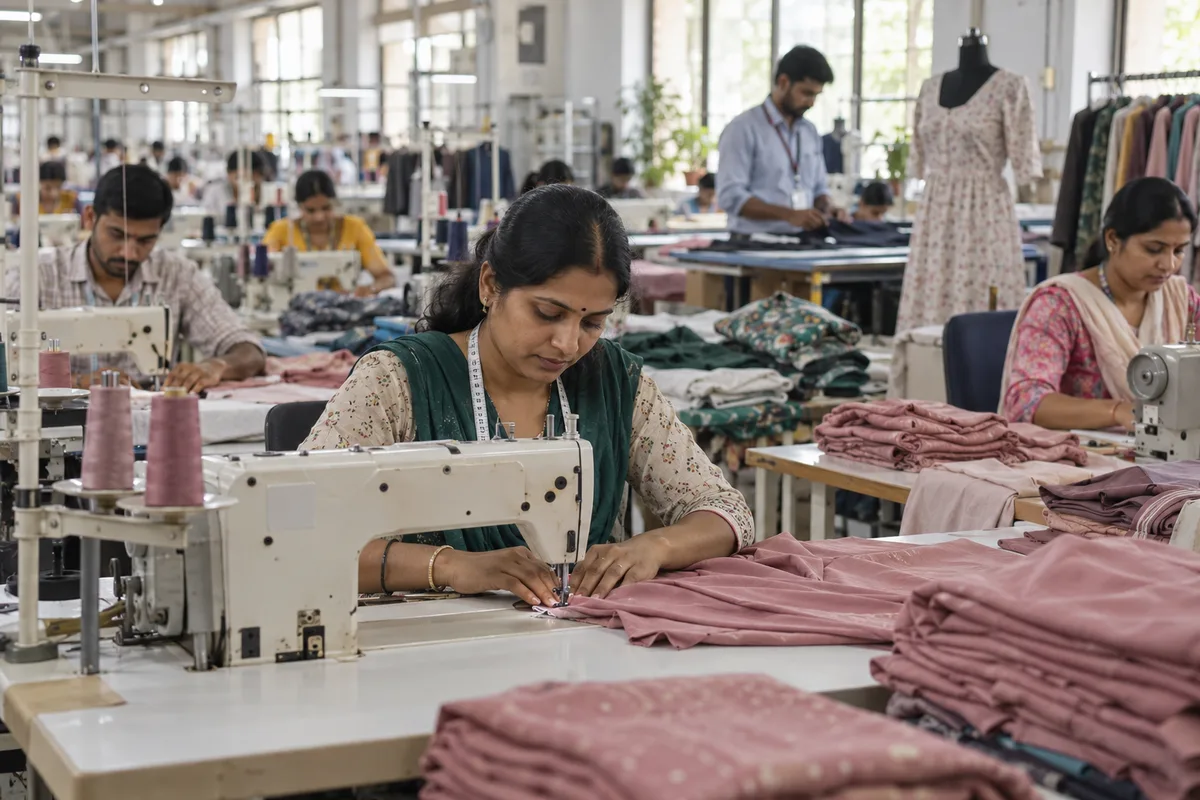
What content marketing means
Content marketing is writing articles, guides and pages that answer the questions buyers search before they are ready to enquire. This makes your business visible and trusted before the first call. GullySales plans this content from the first conversation onward, choosing topics that match real search demand rather than guesses.
Also for sportswear manufacturers
- Social media marketing for sportswear manufacturers
- Lead generation for sportswear manufacturers
- SEO for sportswear manufacturers
- Buyer personas for sportswear manufacturers
- CRM for sportswear manufacturers
- Follow-up systems for sportswear manufacturers
- WhatsApp marketing for sportswear manufacturers
- Digital marketing for sportswear manufacturers
Sales and marketing for sportswear manufacturers, the overview.
Last updated 14 Nov 2026.
For sportswear manufacturers
Where it usually goes wrong, and what we would do.
“Fabric confusion costs you the first call”
Polyester knit, mesh, dry-fit and cotton blends mean little to a sports teacher. When the first call is spent explaining them, the buyer feels lost. A plain guide with photographs does that work before the call.
“Sizing is the largest source of disputes”
A set ordered by guess arrives with half the team unable to wear it. A published size chart, a way to collect sizes from a squad and a note on exchanges settle the matter before any cloth is cut.
“Brand buyers read process, not adjectives”
A label founder wants to know how a tech pack is costed, how a sample is approved and what a first lot looks like. Describing the steps of your own process earns more trust than a line about quality.
“Case stories need the buyer's consent”
A story about a kit made for a school or club is persuasive, and it belongs to that buyer too. Ask for written permission first, and tell it in the words of the order: sport, fabric, print and what changed.
What we do
What we deliver for sportswear manufacturers.
The work available for this need. We agree the deliverables and responsibilities for your engagement in writing.
A fabric and print guide
Plain-language pages on knits, mesh, dry-fit finishes and sublimation against screen print, with photographs from your floor.
Result: A page you send a coach instead of explaining on a call.
A sizing and measurement page
A printable size chart and a squad measurement sheet a coach fills in once.
Result: Fewer disputes because sizes are written down.
A how-an-order-works page
Steps from enquiry to mock-up, sample approval, production and delivery, written without promising dates.
Result: A page that sets the buyer's expectations.
Kit stories with permission
Short write-ups of kits made for named teams, each cleared with the buyer in writing.
Result: Stories on file with the permission saved beside each.
A seasonal calendar of what to write
Topics set against tournaments, annual days and corporate league seasons.
Result: A calendar of pages and posts by the month you plan to publish.
How the result is measured
- Pages published
- Organic traffic
- Enquiries from content pages
Recorded as a baseline before work starts, so every later report has an honest comparison.
Posts and pieces to plan
Plan the pieces a coach reads before placing an order.
- Fabric guide: polyester, dry-fit and mesh
- A plain comparison of the fabrics you work with, with swatch photographs. Written from your floor's knowledge.
- How to measure a player for a jersey
- A diagram and a size chart, with a note on how your units handle size mix-ups.
- How an order moves from mock-up to delivery
- A stage-by-stage page, written with your own steps. Shows brand buyers that the process is controlled.
- Sublimation versus screen print on kits
- An explanation of what each method suits, with the limits of each, based on what you offer.
- A club's kit story
- A short account of a kit made for a club, with its permission and photographs. Describes the brief, not a result.
Who it is for
This is written for these sportswear manufacturers.
- Team jersey and kit makers for clubs and academies
- Track suit and warm-up wear manufacturers
- Sublimation-printed sportswear units
- Performance and dry-fit activewear makers for brands
- Cricket, football and kabaddi kit specialists
- School and college sports uniform makers
- Corporate league, marathon and event T-shirt makers
- Private label units for D2C fitness brands
Before you decide
When this may not be the right fit.
- Your unit cannot yet describe its own process in writing, and a page built on guesses would mislead a buyer.
- You want to publish pieces about sports news, which bring readers who are not buying kit.
Before you decide
Agree the work. Know how to judge it.
Content marketing for sportswear manufacturers: use these checks to prepare, choose the scope, and review what changes.
Bring the right evidence
Bring questions from sales calls and examples of objections that delay a decision. Choose a subject expert who can check the substance, and identify evidence that can be published.
Make the scope clear
Agree the reader, buying question, format, and distribution route for each piece. Set the approval process and distinguish new research from rewriting material you already have.
Check the work in use
Ask a colleague to use the draft in a real buyer conversation. It should answer the question, support its claims, and make the next step clear without requiring a sales pitch to explain it.
Know when to change course
If the same unanswered question appears in several articles, improve the strongest page before commissioning another. More words are not a substitute for missing evidence.
These are discussion points, not a fixed package. GullySales confirms the deliverables, responsibilities, fee, and term in writing after reading your brief and speaking with you.
Before we start
What to have ready before the work starts.
The records, access and decisions this work needs from sportswear manufacturers. Anything missing is noted in the written scope, with who will supply it.
- Written or recorded buyer questions
- Gather the questions buyers have asked, from chats, emails and notes of calls, with names removed. They can be rough. If there is no record, we start the list from the owner's memory, and ask your team to jot down the questions from now on.
- A real size chart for each garment
- Bring the size charts you cut to, in centimetres or inches, for each garment, with the tolerance you work to. Guesswork here causes disputes. If the chart is not written down, the pattern master measures from existing patterns with us, and the page waits until the figures are checked.
- Fabric samples and swatches to handle
- Keep a set of the fabrics you offer, with their names, so we can photograph and describe them correctly. Buyers confuse fabrics, and a wrong name causes disputes later. If swatches are not available, the guide describes fewer fabrics, only those your supervisor can show.
- Buyers who agree to a kit story
- Ask two or three buyers whether they would allow a short story about their kit, named or unnamed. Their written yes is needed before any story is published. Without buyers, the stories section stays empty and the order walk-through carries the proof.
- A floor person to check each draft
- Name the supervisor or master who will read drafts and correct what they have wrong. A page that gets the print method wrong makes the unit look like a shop that copies text. If nobody is named, only the pages the owner can verify are published, and the fabric and print pages wait, because those are where a wrong word costs more. The reader should also be someone who has handled the cloth and run the press, not someone who has only seen the invoices.
How it works
How the content marketing work runs
The work itself, in order. How an engagement starts, from your brief to a written scope, is set out on our method page.
- 1
Collect the questions buyers ask on first calls
We sit with whoever answers enquiries, the owner or a sales person, and write down the questions buyers ask before they place an order: fabric, sizing, print wear, delivery before a match. We read WhatsApp chats for the same. You mark which questions you would rather answer in writing. These become the topics, in the buyers' own words.
- 2
Go to the floor with the pattern master
We spend time with the pattern master or supervisor, handling sample fabrics and size sets, and hear how they explain sizing, shrinkage and print durability to a new buyer. You or they approve the explanation. What exists afterwards are accurate notes in the unit's own words, which the guides are written from.
- 3
Draft the fabric and print guide
From those notes we write the guide to fabrics and print methods, comparing them as a buyer would: how each feels, where each is used and what it costs in care. Floor staff read the draft and correct any detail. Nothing is said about performance the unit cannot show. You approve it before it goes on the site.
- 4
Write the sizing and measurement page
We write a sizing page with the unit's real size chart, how to measure a team and what to do with a player between sizes. Your pattern master checks every figure. The page is meant to prevent disputes, so we add how a sample set is used to confirm sizes before the full lot is cut.
- 5
Write the order walk-through and the kit stories
We set out the order from mock-up to delivery in the buyer's words, then write kit stories from buyers who agree to be named, or unnamed ones where they prefer. You send the permission requests. A story is held back until the buyer has read and approved their part.
- 6
See which pages buyers mention
We note which guides buyers mention in enquiries or are sent by your team, compare the questions asked now with the list from the start, and find questions still unanswered. You decide what to revise or add. We read the results against your own earlier records, with no promise of volume.
Where this fits
Three pieces of sales work, in this order.
This work sits inside sales process design, at stage 0, foundation. The audit comes before it, and sales management keeps it running.
Step 1
Sales audit
Find where deals are being lost and what to fix first.
Start here if you cannot say where orders are lost.
Step 2 · you are here
Sales process design
One written way to sell, from first enquiry to repeat order.
Start here if every salesperson sells differently.
Step 3
Sales management
A target, a review routine and someone who owns the number.
Start here if the team has targets and no routine.
FAQ
Questions owners ask before they call.
Not here? More answers, or ask on WhatsApp.
What number of articles do we need?
Can staff on the floor contribute?
Should we write about sports news?
Can floor staff review the sizing guide?
How many guides should we publish first?
Can floor staff add to the guides?
How much does it cost?
How long is the contract?
How soon will we see results?
Who will actually do the work?
More for sportswear manufacturers
Related work to consider.
Closest to this: content and social
Also for sportswear manufacturers
Or start from the overview: sales and marketing for sportswear manufacturers.
Your next practical step
Tell us what you are trying to grow, and we will read it before we call.
Eight short steps, mostly taps. Skip anything you would rather answer on the call.