Sportswear manufacturers · Lead generation
Bring in kit orders from academies, colleges, event organisers and activewear labels.
Lead generation for a sportswear unit means putting your past kits and your minimum order in front of the people who place bulk orders: coaches, sports officers, event managers and label founders. GullySales works on the pages, outreach lists and enquiry routines that turn those people into mock-up requests.
Scope, fee, reporting and term are agreed in writing after we have read your brief and spoken to you.
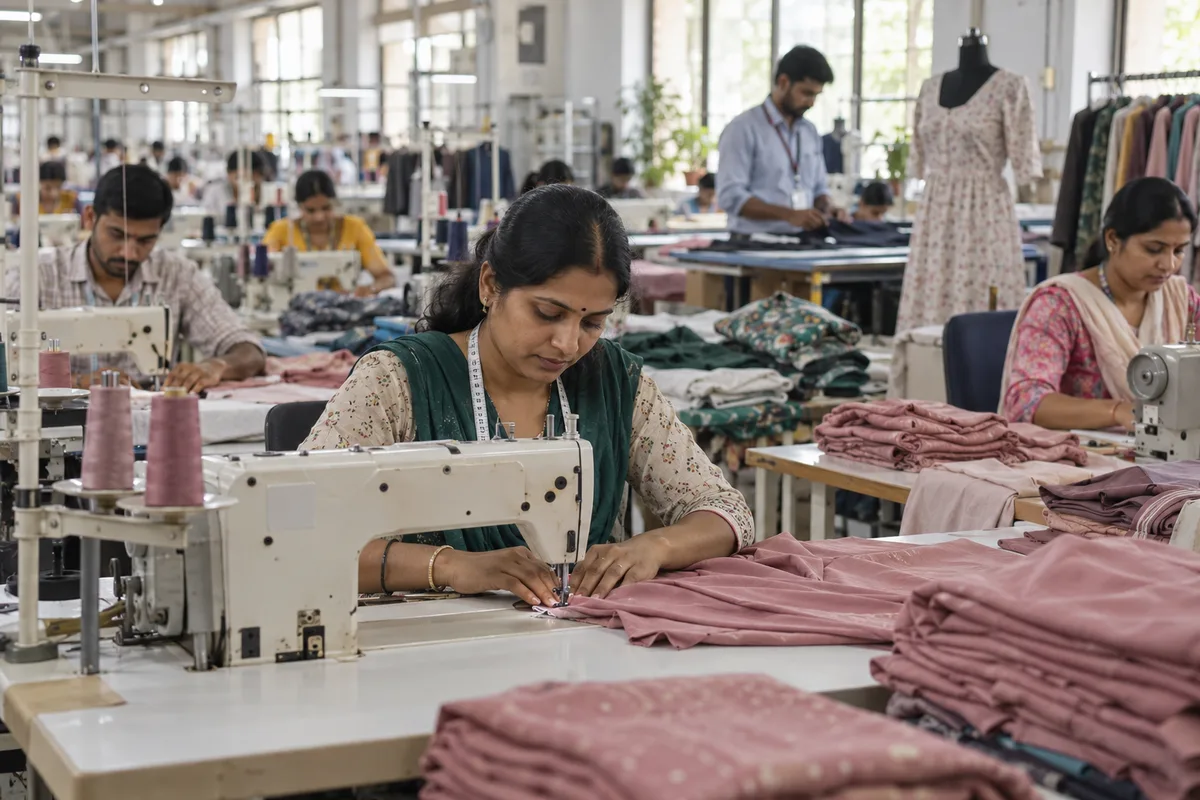
What lead generation means
Lead generation is the combined work of every channel that brings in a new enquiry, whether from search, adverts, referrals or a stall at an exhibition. GullySales runs these channels together and reports the number of enquiries each one produced, not the activity behind it.
Also for sportswear manufacturers
- CRM for sportswear manufacturers
- Follow-up systems for sportswear manufacturers
- SEO for sportswear manufacturers
- Social media marketing for sportswear manufacturers
- Content marketing for sportswear manufacturers
- Buyer personas for sportswear manufacturers
- WhatsApp marketing for sportswear manufacturers
- Digital marketing for sportswear manufacturers
Sales and marketing for sportswear manufacturers, the overview.
Plan the next part of the work
Last updated 21 Nov 2026.
For sportswear manufacturers
Where it usually goes wrong, and what we would do.
“A coach never searches for a manufacturer”
A sports teacher with a tournament date asks another coach, or types a sport and the word jersey into a search box. The lead comes from the jersey page or the shared photo, so a unit with neither never enters the conversation.
“Brand buyers and team buyers are two different leads”
An academy wants a mock-up and a rate for a set. A fitness label wants fabric options, a costed tech pack and a sensible minimum. One enquiry route for both wastes the label's time and overwhelms the coach with questions.
“An old customer is the cheapest lead you have”
A school that ordered for the annual day will need kits again when the next session starts. Without a record of who ordered, what size spread they had and when they play, that second order goes to whoever calls first.
“Event T-shirt buyers plan earlier than anyone expects”
A corporate league organiser or marathon committee fixes the finisher wear well before registration opens. The unit that reached the organiser at planning stage gets the brief, and the one that waits for the date to come close gets the leftover.
What we do
What we deliver for sportswear manufacturers.
The work available for this need. We agree the deliverables and responsibilities for your engagement in writing.
Sport-wise kit pages built to attract enquiries
Separate pages for cricket, football, kabaddi, track suits and event wear, each carrying real photographs, fabric options and the lowest set you accept.
Result: A coach searching for one sport lands on a page that matches it.
A lead sheet for academies and colleges
A list by town of academies, school sports departments and college physical education staff, with the person who decides and the month their calendar begins.
Result: A sheet you approve before any message goes out.
A mock-up request form that sorts the enquiry
Fields for sport, quantity, logo file, colours and match date, so team enquiries and brand enquiries separate at the first step.
Result: The quote details arrive with the enquiry.
A brand sourcing introduction
A short note and capability profile for activewear founders, sent through LinkedIn and sourcing groups, covering fabrics, print methods and smallest lot.
Result: A founder can judge fit before asking for a call.
A record of every past buyer
Name, kit supplied, size spread and the month they next need kit, stored where the whole team can see it.
Result: A list of repeat buyers sorted by the month they play.
How the result is measured
- Relevant enquiries by source
- Duplicate and unsuitable enquiries
- Time to the first response
- Accepted enquiries reaching an agreed next step
Recorded as a baseline before work starts, so every later report has an honest comparison.
What to capture
Capture these details with every kit enquiry.
- Sport and garment
- Cricket jersey, football kit, track suit or event T-shirt. Decides which fabric and print method to quote.
- Quantity and number of sizes
- Asked in the first reply. Tells you whether the order meets the minimum before a mock-up is drawn.
- Match or event date
- A tournament, a college fest or a run. The date sets how soon the buyer must decide.
- Buyer type
- Coach, college sports head, event organiser or brand founder. Each asks for different proof and a different quote.
- Logo file or reference photo
- What the buyer sent. A clear logo file makes the mock-up easier to draw, and a blurred screenshot means asking again.
Who it is for
This is written for these sportswear manufacturers.
- Team jersey and kit makers for clubs and academies
- Track suit and warm-up wear manufacturers
- Sublimation-printed sportswear units
- Performance and dry-fit activewear makers for brands
- Cricket, football and kabaddi kit specialists
- School and college sports uniform makers
- Corporate league, marathon and event T-shirt makers
- Private label units for D2C fitness brands
Before you decide
When this may not be the right fit.
- Your production line is booked for the season and you cannot take new orders, so more enquiries would lead to refusals.
- You have not set a minimum order and a price for sampling, so every enquiry would begin with a negotiation.
Before you decide
Agree the work. Know how to judge it.
Lead generation for sportswear manufacturers: use these checks to prepare, choose the scope, and review what changes.
Bring the right evidence
Define the organisations or buyers you can serve and the reasons they would consider a conversation. Bring examples of accepted and rejected prospects so the selection rule is visible.
Make the scope clear
Agree the research sources, contact approach, qualification rules, and handover. Clarify which meetings count as accepted and what happens to replies that are not ready to buy.
Check the work in use
Review why a prospect was selected and what was learned from the response. Count held, relevant conversations separately from contacts found, messages sent, or meetings booked.
Know when to change course
If the same objection appears repeatedly, adjust the offer or buyer group before increasing outreach. Respect a request to stop contact and keep the exclusion in the record.
These are discussion points, not a fixed package. GullySales confirms the deliverables, responsibilities, fee, and term in writing after reading your brief and speaking with you.
Before we start
What to have ready before the work starts.
The records, access and decisions this work needs from sportswear manufacturers. Anything missing is noted in the written scope, with who will supply it.
- The order register or invoice file
- Bring the register, invoice book or accounting export for as long a stretch as you have, with the buyer, sport and quantity if recorded. Handwritten pages can be photographed. Without it we have no evidence for which buyers pay well, and the first source ranking is built on memory alone.
- Permission to show past kits
- For every kit you want shown, confirm that the club, school or label allows its photograph to be used, ideally in writing or on a message. A brand's private label work is never shown without their consent. Without permission we use only your plain samples and the fabric close-ups.
- A stated minimum order
- Tell us the smallest order you will take by sport and garment. The form and the replies refer to it. If it is not decided, small requests flood the desk, and the unit either quotes at a loss or sends an unclear refusal that costs goodwill with a coach who might return.
- A person who answers requests
- Name the one person who reads the mock-up requests and replies, and who covers when they are on the floor. We build the routine around them. Without a named person, requests wait in an inbox, and a coach with a match date sends the same request to the next unit.
- Contacts of five buyers who will talk
- Choose five past buyers, from different types, who will speak to us for a few minutes. A coach, a college sports officer and a label founder is a good spread. Without them the sources come from your estimate alone, and the first weeks of live enquiries become the only evidence.
How it works
How the lead generation work runs
The work itself, in order. How an engagement starts, from your brief to a written scope, is set out on our method page.
- 1
Open the order register by buyer
We start with your order register or the invoice file and sort past orders by who placed them: a coach, a club, a college, an event organiser or a label. You tell us which orders were good ones and which cost more than they paid. What exists afterwards is a buyer-type list, drawn from real jobs, that tells us which leads are worth chasing.
- 2
Call three past buyers about how they found you
We ask you to pick three past buyers who will take a call, and we ask each how they first heard of your unit and who else they asked. You decide who is called. Their answers show whether leads come from a coach's word, a search, a tournament stall or a label's sourcing list, and fix the first sources to work.
- 3
Photograph the kits that are ready to show
On the floor, we photograph finished jerseys, track suits and printed sets against a plain wall, with the stitching and fabric close up, and note the sport and the buyer for each. You confirm which kits the buyer has allowed you to show. These photographs fill the sport pages and the lead sheet, and nothing is shown without that confirmation.
- 4
Build the mock-up request form
We write a form that asks the sport, the quantity, the match or event date and whether the buyer is a team or a label, then sends each type to the right person at your unit. You approve the questions and the minimum order stated. A buyer who wants only a handful of pieces gets a polite answer rather than a quote.
- 5
Prepare the list of academies and colleges
From your register and public sources, we compile a lead sheet of academies, colleges and clubs in the places you can supply, with the sports teacher or secretary named where known. You remove anyone you will not serve. The first introductions go to people who have already bought, then to those you choose from the sheet.
- 6
Read the enquiries against the order register
We take the enquiries collected through the form and the introductions and place them beside the register from the start: how many were teams, how many were labels, how many reached a mock-up and how many placed an order. You decide which source to widen. The reading is made against your own earlier figures, with no promise of orders.
Where this fits
Three pieces of sales work, in this order.
This work sits inside sales process design, at stage 1, prospecting and lead generation. The audit comes before it, and sales management keeps it running.
Step 1
Sales audit
Find where deals are being lost and what to fix first.
Start here if you cannot say where orders are lost.
Step 2 · you are here
Sales process design
One written way to sell, from first enquiry to repeat order.
Start here if every salesperson sells differently.
Step 3
Sales management
A target, a review routine and someone who owns the number.
Start here if the team has targets and no routine.
FAQ
Questions owners ask before they call.
Not here? More answers, or ask on WhatsApp.
Which lead source should a sportswear unit start with?
Will you buy lists of coaches and academies?
We do not want small orders. Can we filter them out?
How do we handle a lead who wants only a handful of pieces?
Do we buy a database of coaches and academies?
What do we do with enquiries from retailers who want resale stock?
How much does it cost?
How long is the contract?
How soon will we see results?
Who will actually do the work?
More for sportswear manufacturers
Related work to consider.
Closest to this: leads and follow-up
Also for sportswear manufacturers
Or start from the overview: sales and marketing for sportswear manufacturers.
Your next practical step
Tell us what you are trying to grow, and we will read it before we call.
Eight short steps, mostly taps. Skip anything you would rather answer on the call.