Sportswear manufacturers · Digital marketing
Put search, Instagram, WhatsApp and marketplace listings to work on the same kit orders.
Digital marketing for a sportswear unit is the combined work of search pages, ads, social posts, marketplace listings and chat that brings team and brand buyers to a mock-up request. GullySales picks the channels that suit your orders and connects them to one enquiry route.
Scope, fee, reporting and term are agreed in writing after we have read your brief and spoken to you.
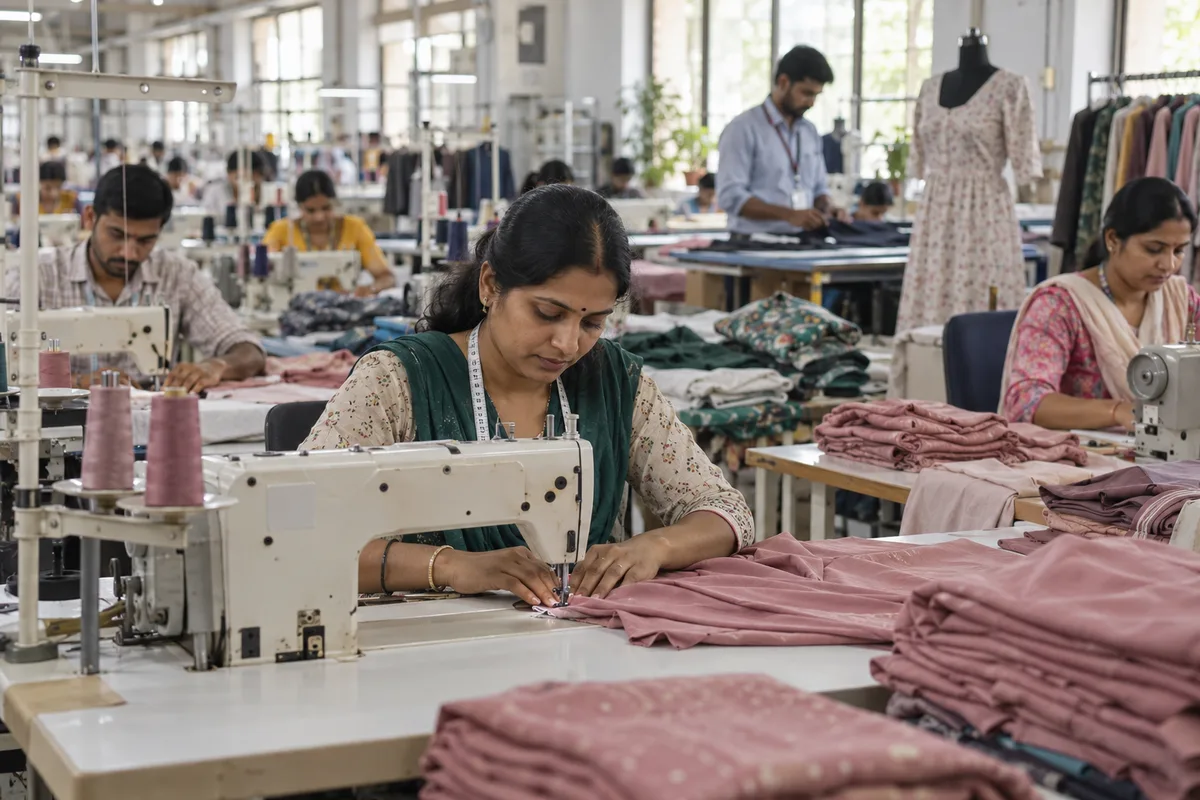
What digital marketing means
Digital marketing is the combined work of search, social media, advertising and website channels running together rather than as separate projects with separate people. GullySales runs these as one connected system so a change in one channel, such as a new offer, is reflected everywhere at once.
Also for sportswear manufacturers
- Buyer personas for sportswear manufacturers
- Lead generation for sportswear manufacturers
- SEO for sportswear manufacturers
- Social media marketing for sportswear manufacturers
- Content marketing for sportswear manufacturers
- CRM for sportswear manufacturers
- Follow-up systems for sportswear manufacturers
- WhatsApp marketing for sportswear manufacturers
Sales and marketing for sportswear manufacturers, the overview.
Last updated 14 Nov 2026.
For sportswear manufacturers
Where it usually goes wrong, and what we would do.
“Channels pull in different buyers”
Search finds coaches and founders with a defined need. Instagram shows work to club members. IndiaMART and JustDial reach purchase-minded buyers. Putting equal effort into all of them spreads a small unit thin and shows no clear winner.
“Ads suit the weeks before a tournament”
Searches for jerseys and kits climb as school and college tournaments approach. Ads placed against those searches, pointing to a mock-up form, catch buyers with a date. Outside that window the same spend finds few buyers.
“Marketplace listings need real kit photographs”
A listing with catalogue images from a supplier looks like a trader. Photographs of your own finished kits, with fabric and minimum stated, tell a buyer that a manufacturer is behind the listing and invite a proper enquiry.
“Every channel must end in the same place”
An ad that opens a page with no form, an Instagram post with no link and a listing with no WhatsApp number each lose the buyer. One mock-up request route, reached from all of them, shows what each channel brings.
What we do
What we deliver for sportswear manufacturers.
The work available for this need. We agree the deliverables and responsibilities for your engagement in writing.
A channel plan matched to your orders
A choice of which channels to run first, based on where your past orders came from and what you can serve.
Result: A plan naming the channels, the buyers and the reason.
Search and ad setup around tournament demand
Ad groups by sport and buyer type, linked to the matching kit page and form.
Result: Ads that point to a page built for that search.
Marketplace listing upgrade
IndiaMART and JustDial listings rewritten with your own kit photos, fabric details and minimum sets.
Result: Listings that read as a maker's.
One enquiry route and tracking
A single mock-up form and WhatsApp link, tagged by source so you see which channel brought each enquiry.
Result: A table of enquiries by channel.
A review of results against your starting figures
Enquiries, mock-ups and orders are compared with where you began and the plan is changed.
Result: A written comparison of enquiries and orders.
How the result is measured
- Enquiries across channels
- Cost per enquiry overall
- Channel mix by contribution
Recorded as a baseline before work starts, so every later report has an honest comparison.
Searches your buyers type
Place each channel against a buyer and a moment.
- custom jersey manufacturer for club
- Answered by the sport pages, search ads in the weeks before a season, and a clear minimum order.
- private label activewear manufacturer India
- A brand page and a LinkedIn introduction to sourcing managers, since these buyers compare units on process.
- college fest t-shirt printing
- A campus page and an outreach plan to student bodies before fest dates, with a simple form.
- track suit manufacturer wholesale
- A track suit page for wholesalers and retailers, with fabrics, sizes and the order route.
- marketplace listing for team jerseys
- A marketplace listing with real kit photographs, if the unit sells ready-made sets alongside made-to-order work.
Who it is for
This is written for these sportswear manufacturers.
- Team jersey and kit makers for clubs and academies
- Track suit and warm-up wear manufacturers
- Sublimation-printed sportswear units
- Performance and dry-fit activewear makers for brands
- Cricket, football and kabaddi kit specialists
- School and college sports uniform makers
- Corporate league, marathon and event T-shirt makers
- Private label units for D2C fitness brands
Before you decide
When this may not be the right fit.
- Your units are full for the season, and ads would bring orders you must turn away.
- You have no way to tell which orders came from which channel, so spend could not be judged.
Before you decide
Agree the work. Know how to judge it.
Digital marketing for sportswear manufacturers: use these checks to prepare, choose the scope, and review what changes.
Bring the right evidence
Bring a recent won order and an enquiry that went nowhere. Trace how each buyer found you, what they asked, and who handled the next step. A channel list alone will not explain the difference.
Make the scope clear
Choose one offer and one buyer group first. Agree which part needs attention: being found, getting a useful enquiry, or turning an enquiry into an order. Separate recommendations from the work required to carry them out.
Check the work in use
A useful plan names the first change, its owner, the evidence behind it, and the number that will show whether it worked. Ask what has deliberately been left out and why.
Know when to change course
If your team cannot answer the enquiries it already receives, improve that handover before buying more traffic. If the offer itself is unclear, test it with buyers before adding channels.
These are discussion points, not a fixed package. GullySales confirms the deliverables, responsibilities, fee, and term in writing after reading your brief and speaking with you.
Before we start
What to have ready before the work starts.
The records, access and decisions this work needs from sportswear manufacturers. Anything missing is noted in the written scope, with who will supply it.
- Your order register with sources noted
- Bring the register and any note of how each buyer found you. Even partial notes help, such as a line against an invoice saying the coach saw the jersey at a tournament. Without them, the first stretch of the plan is spent recording the source of every enquiry, and the channel ranking waits until a few dozen enquiries have arrived and been marked.
- A list of what you pay for today
- Write down every listing, directory, subscription or advertisement the unit pays for, with the cost and who manages it. We compare it with the enquiries recorded and mark which items brought a mock-up request. If the list is unknown, your accountant can pull the payments from the books to find them, since listings bought years ago and forgotten are common. A payment with no enquiry behind it is the first candidate to stop.
- Production capacity around tournament months
- Tell us the months when the floor is full and the months when it has room. Advertising a jersey order in a full month hurts the unit, because the coach who orders is then told to wait and goes elsewhere. If capacity is not known, we plan for the quieter months only, and the busy months are given to the website and replies, which cost the floor nothing.
- Logins for the site and marketplace
- Collect the access to the website, the marketplace account, the social pages and any advertising account, or the person who can give it. Read-only is enough for review. Missing access is listed with the person who can recover it, and the plan marks the channels we could not review. A marketplace account opened by a former employee is the common case, and recovery can take time that you control, not we.
- A decision on advertising spend
- State the sum, if any, the unit will put into paid reach before a tournament, and who approves it. If none, the plan uses search pages, the listing and introductions. Platforms change their rules, so we check them before any spend, and the plan states which ads run only before a tournament and are switched off after the last date an order can be cut. The person who approves spend also approves the end date.
How it works
How the digital marketing work runs
The work itself, in order. How an engagement starts, from your brief to a written scope, is set out on our method page.
- 1
Look at where orders came from
We open the order register and the enquiry chats with your sales person and mark how each recent order arrived: a coach's word, a search, a marketplace, a tournament, a label's introduction. You correct us. What exists afterwards is a source count in your own terms, which is the starting figure for the work.
- 2
Check the channels you already pay for
We list every listing, subscription and advertisement the unit pays for or is listed on, with the cost in time and money, and see which ones produced enquiries. You tell us which you would give up. This stops new activity being added on top of tools that bring nothing, and it gives the owner a plain page showing each tool, what it costs in time and money, and the enquiries it produced.
- 3
Set channel priorities by tournament months
We lay the buying calendar across the year: school sports, leagues, corporate events, marathons. The plan puts search pages and ads in the weeks before each, and quiet months go to the website and the marketplace listing. You approve the calendar against your production capacity.
- 4
Rebuild the marketplace listing with real kits
We rewrite the marketplace listing using photographs of your own finished kits, the sports and garments you make and the minimum order. You supply the photographs and permissions. The listing should say plainly that the unit is a maker, so retail buyers do not enquire.
- 5
Join everything to one enquiry route
We connect search pages, ads, posts and chat to the same mock-up request, with the source recorded each time. Your sales person receives each enquiry in one place. We test each channel with a sample request and you confirm it arrived with its source.
- 6
Compare enquiries by channel with the first count
After a tournament stretch has passed, we compare enquiries and orders by source with the count from the start. You judge which channels continue and which are dropped. We read the figures as your own record and make no promise on the next season.
Where this fits
Three pieces of sales work, in this order.
This work sits inside sales process design, at stage 0, foundation. The audit comes before it, and sales management keeps it running.
Step 1
Sales audit
Find where deals are being lost and what to fix first.
Start here if you cannot say where orders are lost.
Step 2 · you are here
Sales process design
One written way to sell, from first enquiry to repeat order.
Start here if every salesperson sells differently.
Step 3
Sales management
A target, a review routine and someone who owns the number.
Start here if the team has targets and no routine.
FAQ
Questions owners ask before they call.
Not here? More answers, or ask on WhatsApp.
What should we spend on ads?
Is digital marketing worth it for a made-to-order unit?
Can you manage everything for us?
Which channel suits a made-to-order unit best?
Will digital marketing fill the floor in a slow month?
Can you manage every channel for us?
How much does it cost?
How long is the contract?
How soon will we see results?
Who will actually do the work?
More for sportswear manufacturers
Related work to consider.
Closest to this: strategy and research
Also for sportswear manufacturers
Or start from the overview: sales and marketing for sportswear manufacturers.
Your next practical step
Tell us what you are trying to grow, and we will read it before we call.
Eight short steps, mostly taps. Skip anything you would rather answer on the call.