Textile manufacturers · Follow up systems
The swatch left the mill and nobody has asked whether it reached the table.
A follow-up system for a fabric mill covers the swatch sent and never acknowledged, the quotation waiting on a costing meeting, and the buyer who has gone quiet since last season. GullySales sets the follow-up against the buyer's sampling calendar and names who chases the merchandiser.
Scope, fee, reporting and term are agreed in writing after we have read your brief and spoken to you.
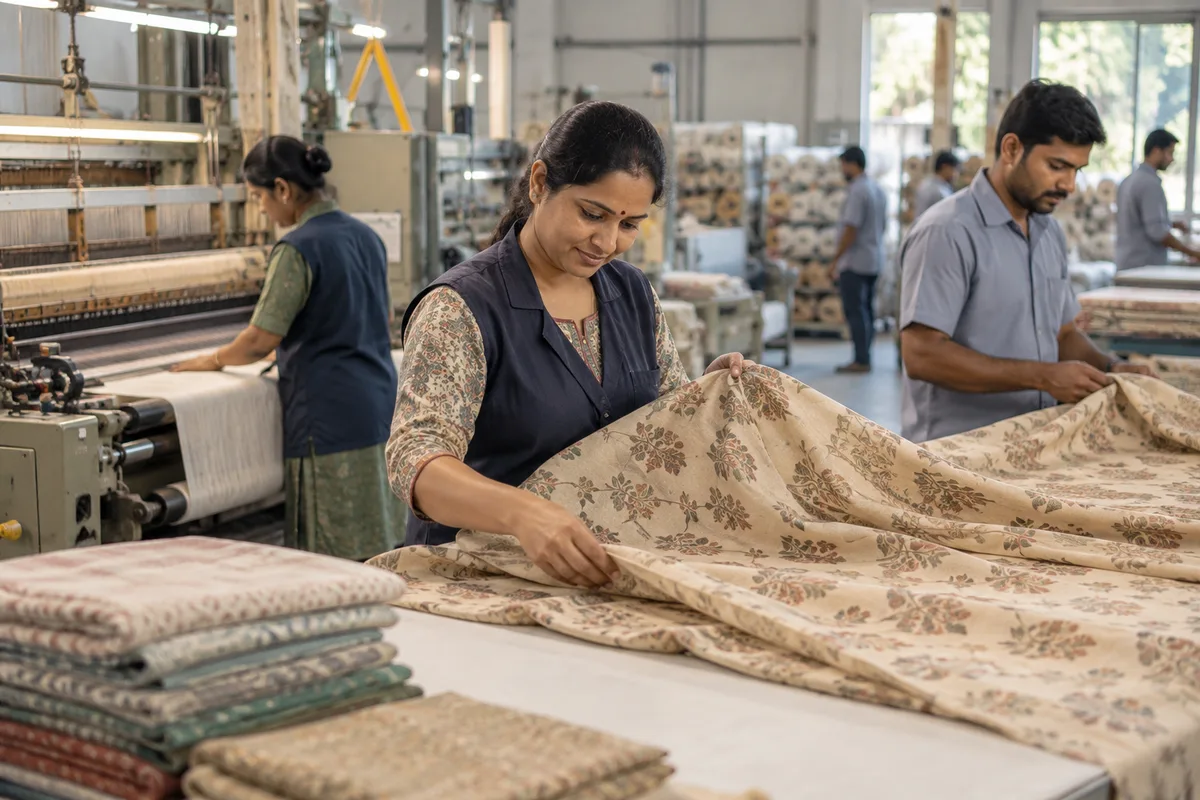
What follow up systems means
A follow-up system is the set routine for calling, messaging or emailing an enquiry more than once, since most buyers do not decide on the first conversation. GullySales sets the number and timing of follow-ups so an undecided buyer keeps hearing from you until they decide either way.
Also for textile manufacturers
- Lead generation for textile manufacturers
- CRM for textile manufacturers
- SEO for textile manufacturers
- PPC ads for textile manufacturers
- Digital marketing for textile manufacturers
- Reputation management for textile manufacturers
- Local SEO for textile manufacturers
- Branding and identity for textile manufacturers
Sales and marketing for textile manufacturers, the overview.
Last updated 5 Oct 2026.
For textile manufacturers
Where it usually goes wrong, and what we would do.
“Chase the courier, then chase the meeting”
Two follow-ups do different jobs. The first confirms the hanger reached the merchandiser's desk. The second, timed to the selection meeting, asks whether your quality made the board.
“The merchandiser who handled you has probably moved”
People change jobs often in this trade, and an unanswered mail usually means the address is dead rather than the interest. Ask for a second contact in the sampling team at the first enquiry.
“A quotation goes stale while it waits”
Yarn moves, and a rate quoted weeks ago is no longer one you would honour. Put a validity date on every quotation and let the expiry itself be the reason for the follow-up call.
What we do
What we deliver for textile manufacturers.
Every deliverable, what it covers for you, and the result it is there to produce. Nothing here is an extra.
Swatch dispatch logged with the docket and a chase date
Every hanger or swatch recorded with the courier docket, the person it went to and the date somebody will confirm it arrived.
Result: No sample sits on a desk unacknowledged.
Follow-up timed to the buyer's selection meeting
The date the merchandiser expects to decide, captured at dispatch, with the call scheduled just before it.
Result: You are in the buyer's mind when the quality is chosen.
A second contact held for every account
A second name in the sampling or sourcing team recorded at the first enquiry, used when the first contact stops replying.
Result: A resignation does not end the relationship.
Quotation validity used as the follow-up trigger
Each quotation carries a validity date, and the expiry generates the call that offers a revised rate against current yarn.
Result: Your price stays current and the call has a reason.
A written stop rule and a seasonal revisit list
An agreed number of attempts, after which the buyer moves to a list contacted when the next sampling season opens.
Result: Nothing is chased forever, and nothing is lost.
How the result is measured
- Follow-up completion rate
- Average number of follow-ups before close
- Enquiries closed after repeat follow-up
Recorded as a baseline before work starts, so every later report has an honest comparison.
Follow-up routine for textile mills
Each swatch, quotation and lapsed buyer has a merchandiser's name, a dispatch record and a date tied to their selection meeting.
- Swatch or hanger dispatched
- Log the courier docket and ring the merchandiser to confirm receipt. Ask when the selection meeting is and who sits in it.
- Quotation waiting on costing
- Ask the merchandiser when costing is reviewed and what the target rate and MOQ are. Record both and ring just before the meeting.
- Buyer gone quiet since last season
- Ask for the sampling team's other contact and write with a new GSM, width or finish matching their range. Record the season and the product they bought.
- Contact has left the company
- Look for the replacement through the buying office or the sourcing head and write a short note recalling the earlier order. Mark the old mail dead in the record.
- Trial order placed
- Ring the merchandiser when the lot is dispatched and ask for the quality feedback and the decision on the repeat. Record any shade, shrinkage or GSM comment.
- Export buyer's agent asks for pricing
- Ask the agent for the buyer's name, the destination and the certification needed. Record who pays for samples and the target shipment date.
Who it is for
This is written for these textile manufacturers.
- Yarn spinning mills
- Fabric weaving and processing units
- Garment fabric manufacturers
- Home textile manufacturers
- Technical and industrial textile makers
- Export-oriented manufacturing units
- Private label and job-work manufacturers
- Knitwear and hosiery manufacturers
Not for
It is not the right fit if.
- Swatches leave the mill without a record of the buyer and the quality sent, so there is nothing to follow.
- The sales team is a single person who is also the sampling contact, and a new routine would fall on the same hands.
- You plan to chase a buyer who has already said the fabric does not suit their season.
How it works
How the follow up systems work runs
The work itself, in order. How an engagement starts, from your brief to a written scope, is set out on our method page.
- 1
Measure today's reply time
From your recent enquiries, we set the time each arrived against its first reply, using the call log, chats, form entries and portal panel. We also count the follow-ups each one got.
- 2
Agree targets and the sequence
We set reply targets and the follow-up sequence with your team, based on its real hours and workload.
- 3
Write the templates and first-call questions
The first reply, the quote follow-up and the last attempt are written in your voice and loaded as quick replies. The first-call questions are agreed with your best salesperson.
- 4
Set ownership, tasks and alerts
Named owners, cover for leave and CRM or sheet tasks go live. App alerts, such as IndiaMART's, are switched on for the right phones.
- 5
Track and adjust
Reply time and follow-up completion are reported against the baseline, and the routine is changed where it is not kept. How often you are reported to is agreed in writing.
Where this fits
Three pieces of sales work, in this order.
This work sits inside sales process design, at stage 2, qualification. The audit comes before it, and sales management keeps it running.
Step 1
Sales audit
Find where deals are being lost and what to fix first.
Start here if you cannot say where orders are lost.
Step 2 · you are here
Sales process design
One written way to sell, from first enquiry to repeat order.
Start here if every salesperson sells differently.
Step 3
Sales management
A target, a review routine and someone who owns the number.
Start here if the team has targets and no routine.
FAQ
Questions owners ask before they call.
Not here? More answers, or ask on WhatsApp.
We sent a swatch and heard nothing. How long do we wait?
The merchandiser we dealt with has left. Do we start again?
How soon should we reply to a buyer who says the sample was not up to the mark?
Should we send our brochure every season to old buyers?
How much does it cost?
How long is the contract?
Who will actually do the work?
What do you need from us?
What if we are not happy with the work?
From the blog
Further reading for textile manufacturers.
 8 min read · 21 Sept 2026Tamil advertising creative: what actually changesTamil is written one way and spoken another, and its script cannot tell b from p. What that means for your line, voice artist and brand spelling.
 6 min read · 22 May 2026How to get export orders: a practical route for Indian manufacturersExport orders come from being ready before you are found: registrations, compliance, a buyer-ready catalogue, a short list of the right buyers, and follow-up that lasts months.
More for textile manufacturers
Everything else we would do for you.
Closest to this: leads and follow-up
Also for textile manufacturers
Or start from the overview: sales and marketing for textile manufacturers.
Your next practical step
Tell us what you are trying to grow, and we will read it before we call.
Eight short steps, mostly taps. Skip anything you would rather answer on the call.