Towel manufacturers · WhatsApp marketing
Send the colour card, the rate sheet and the reorder reminder on WhatsApp.
WhatsApp marketing for a towel manufacturer means using the app that housekeeping heads, traders and small buyers already answer to share catalogues, rate lists and order updates. It sits beside calls and email. GullySales designs the business profile, the message set and the record of conversations.
Scope, fee, reporting and term are agreed in writing after we have read your brief and spoken to you.
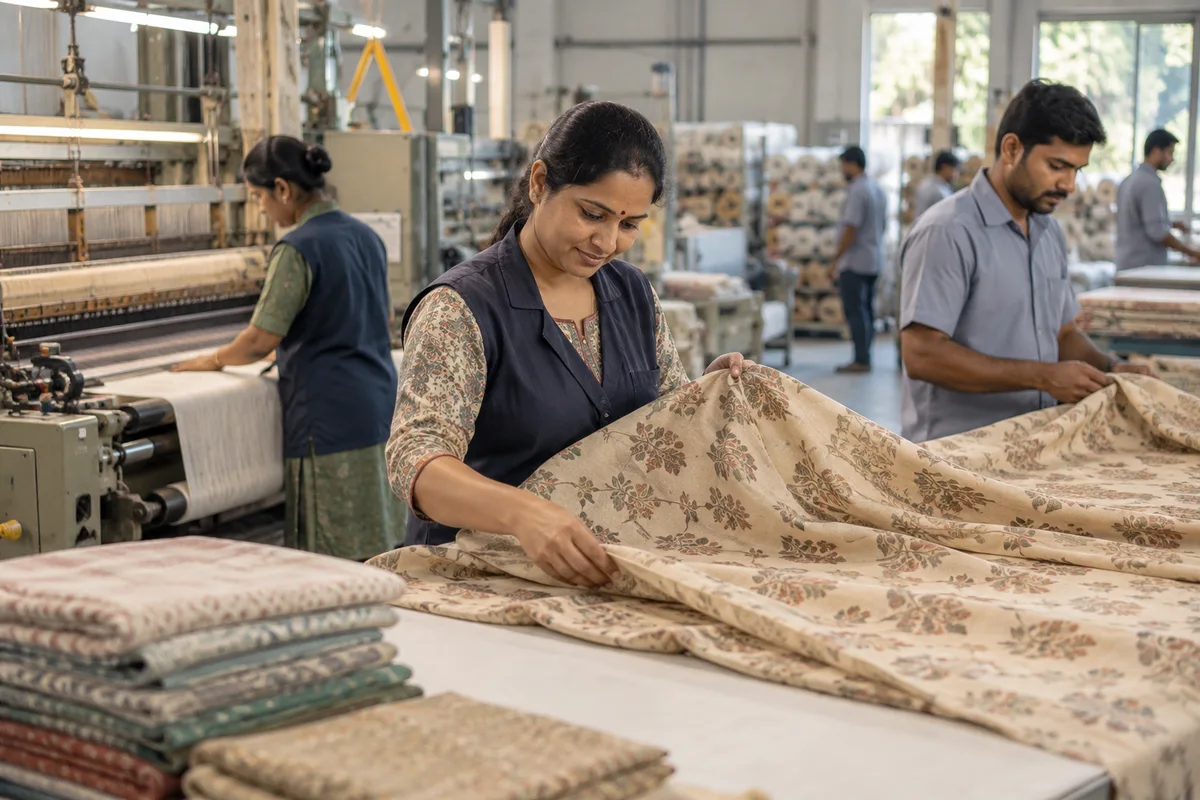
What WhatsApp marketing means
WhatsApp marketing is sending updates, offers and reminders to customers on the app most Indian buyers already check daily. GullySales sets up business WhatsApp, writes the message templates and keeps the list consented and current.
Also for towel manufacturers
- Lead generation for towel manufacturers
- SEO for towel manufacturers
- Social media marketing for towel manufacturers
- Content marketing for towel manufacturers
- Buyer personas for towel manufacturers
- CRM for towel manufacturers
- Follow-up systems for towel manufacturers
- Digital marketing for towel manufacturers
Sales and marketing for towel manufacturers, the overview.
Last updated 14 Nov 2026.
For towel manufacturers
Where it usually goes wrong, and what we would do.
“Buyers share photos and ask rates in one thread”
A hotel buyer sends a picture of the towel they want and asks the price. A prepared reply with specification and rate closes the loop; a delayed one sends them to the next supplier.
“Personal numbers hide the account history”
When each salesperson uses their own phone, the chat goes with them. A shared business number with notes against the contact keeps the history with the company.
“Colours and designs keep changing”
A new shade card or border design is easy to send as a catalogue. Sending it only to the buyers who use that range is better than posting it to every contact.
“Bulk messages risk the number”
Sending the same text to a large list can breach the platform's rules and annoy buyers. A small list of opted-in contacts and a clear purpose protects both the number and the relationship.
What we do
What we deliver for towel manufacturers.
The work available for this need. We agree the deliverables and responsibilities for your engagement in writing.
Business profile setup
Profile description, catalogue, address and opening hours set up on the business app, with a short greeting message.
Result: A new contact sees a clear identity.
Reply templates
Ready answers for rate requests, sample requests, minimum lot, delivery questions and logo orders.
Result: Common questions get a consistent reply.
Catalogue and shade card
A product catalogue and colour card prepared for chat, sized to open on a phone.
Result: Buyers can browse without downloading a heavy file.
Contact lists by segment
Opt-in lists for hospitality, institutions, traders and branded buyers, each used for relevant messages only.
Result: Opted-in contacts are the only ones who get a message.
Conversation log into CRM
A routine for noting orders, rates and promises from chat into the buyer's record.
Result: Chat does not hold knowledge that the CRM lacks.
How the result is measured
- Messages delivered
- Reply rate
- Enquiries from WhatsApp
Recorded as a baseline before work starts, so every later report has an honest comparison.
What to capture or send
What to send a hotel or trader on WhatsApp, and when.
- Colour card image
- Send a photographed card with shade names after a buyer asks. Record the shades they showed interest in.
- Rate sheet as a PDF
- Send after the first call, with the GSM, size and lot noted per row. Mention the validity date so the rate is not held open.
- Sample dispatch note
- A photo of the packed carton with the courier name and tracking reference. The buyer knows what to expect and who to ask.
- Reorder reminder
- A message to a past buyer when their last supply is aging, with the previous quantity and colour. It saves them looking it up.
- New range alert
- A short note with one image, sent only to buyers who said they want to hear about new weights or colours.
- Logo order details
- A form link for gyms and salons to share a logo file, quantity and colour. Keep it separate from the trader conversation.
Who it is for
This is written for these towel manufacturers.
- Bath and hand towel manufacturers
- Hotel and resort towel suppliers
- Hospital and institutional towel makers
- Gym, spa and salon towel suppliers
- Bathrobe and terry product manufacturers
- Export-oriented terry towel units
- Promotional and logo-embroidered towel makers
- Wholesale suppliers to retail and kirana chains
Before you decide
When this may not be the right fit.
- You have not got the buyers' permission to message them, and an unwanted note would turn a hotel contact against you.
- Your team shares one phone and nobody can tell who answered which buyer, so replies would collide.
- Your buyers are export agents who work through email, and a chat message would not be read.
Before you decide
Agree the work. Know how to judge it.
WhatsApp marketing for towel manufacturers: use these checks to prepare, choose the scope, and review what changes.
Bring the right evidence
Describe how the contact list was collected, what people asked to receive, and which messages are currently sent. Include opt-outs and replies when reviewing campaign performance.
Make the scope clear
Agree the audience, message purpose, sending system, and response owner. Separate promotional communication from order or service updates, and check current platform requirements before launch.
Check the work in use
Test the message with a small appropriate audience before wider use. Check links, reply handling, opt-outs, and whether the response leads to a relevant conversation or order.
Know when to change course
Do not use an unexplained contact list as a shortcut to demand. If recipients do not expect the message, resolve the permission and relevance questions before sending.
These are discussion points, not a fixed package. GullySales confirms the deliverables, responsibilities, fee, and term in writing after reading your brief and speaking with you.
Before we start
What to have ready before the work starts.
The records, access and decisions this work needs from towel manufacturers. Anything missing is noted in the written scope, with who will supply it.
- A business number the mill keeps
- The account is tied to a number that must outlast any employee. Choose one the mill holds. If buyers use staff mobiles, the history leaves with the staff.
- The current shade card and catalogue
- Bring the shades and designs you offer now, photographed in daylight. Colours change, so tell us which are current. An outdated card sends buyers to colours you no longer weave. Label any shade that is made only against a minimum lot, so the card does not promise a colour that needs a larger order.
- A dated rate sheet
- Replies quote from a sheet. Bring the latest with its date and the lot sizes. If rates change with yarn prices, the sheet carries the date and staff check it before sending. Mention any rate that depends on the packing type, since buyers compare rates without noticing the packing differs.
- Your list of buyers who agreed to updates
- Only buyers who agreed receive updates. Bring the list, if any. If empty, the list starts with the first agreement, and the broadcast waits.
- A staff member for each segment's chats
- Name who answers the hotel, wholesale and export chats. A rate asked by an exporter needs a different person from a gym owner's logo question. Without names, a rate question from an exporter waits in a thread that nobody feels is theirs.
How it works
How the whatsapp marketing work runs
The work itself, in order. How an engagement starts, from your brief to a written scope, is set out on our method page.
- 1
Read chats where colours and rates were agreed
We go through real threads in which a buyer sent a photograph, asked a rate and chose a shade. You show us where a rate was quoted twice or an order was confused. These threads set the rules for the replies and the shade card we write. We also mark the threads where a buyer asked for the same shade after a gap, because those show where a saved shade card would have saved a day of searching.
- 2
Move from the owner's phone to a business number
We check whose number the buyers use. If it is the owner's personal phone, we plan a business account and a gentle move for regular buyers. You decide which contacts come across and how they are told.
- 3
Build the profile and the catalogue
We set the profile with the unit name, town, products and hours, and build a catalogue of towels with the sizes, weights and colours you make. The photographs are those you have approved. Every item links to a sample request. We also check that each catalogue item names the fibre and weight in the same words as the specification sheet, so the chat and the sheet never disagree.
- 4
Write replies and the shade card message
We draft the saved replies for the rate sheet, the minimum lot, the sample request and the colour card. You check each against the current price. The rate sheet reply carries its date, and staff confirm it before sending.
- 5
Split contacts into segments and set permission
We sort contacts into hotels, hospitals, retailers, exporters and branded buyers, and write the permission message for updates. Nobody is added without agreement. We read the platform's current rules with you before a broadcast.
- 6
Feed chats into the record and read the result
We agree how a chat becomes a record in the CRM or register, then compare the number of chats reaching a sample or an order with the figures noted at the start. You decide what to change. We promise no volume of orders, only a clearer view of which chats turned into samples.
Where this fits
Three pieces of sales work, in this order.
This work sits inside sales process design, at stage 0, foundation. The audit comes before it, and sales management keeps it running.
Step 1
Sales audit
Find where deals are being lost and what to fix first.
Start here if you cannot say where orders are lost.
Step 2 · you are here
Sales process design
One written way to sell, from first enquiry to repeat order.
Start here if every salesperson sells differently.
Step 3
Sales management
A target, a review routine and someone who owns the number.
Start here if the team has targets and no routine.
FAQ
Questions owners ask before they call.
Not here? More answers, or ask on WhatsApp.
Can we message all our contacts about a new range?
Should the owner's phone be the business number?
Do export buyers use WhatsApp?
Can we send the same rate sheet to every buyer?
Is it all right to send the same rate sheet to every buyer?
Can export buyers be reached on WhatsApp at all?
How much does it cost?
How long is the contract?
How soon will we see results?
Who will actually do the work?
More for towel manufacturers
Related work to consider.
Or start from the overview: sales and marketing for towel manufacturers.
Your next practical step
Tell us what you are trying to grow, and we will read it before we call.
Eight short steps, mostly taps. Skip anything you would rather answer on the call.