Seafood processing companies · Other
Get your plant on the buyer's shortlist before the next order is placed.
A buyer's purchase head wants a quote for peeled and deveined shrimp, 500 g packs, in two counts. The enquiry arrives on email at the general address, gets forwarded to the plant manager, and the quote goes out three days later with a different pack size from the one asked for.
Scope, fee, reporting and term are agreed in writing after we have read your brief and spoken to you.
In one paragraph
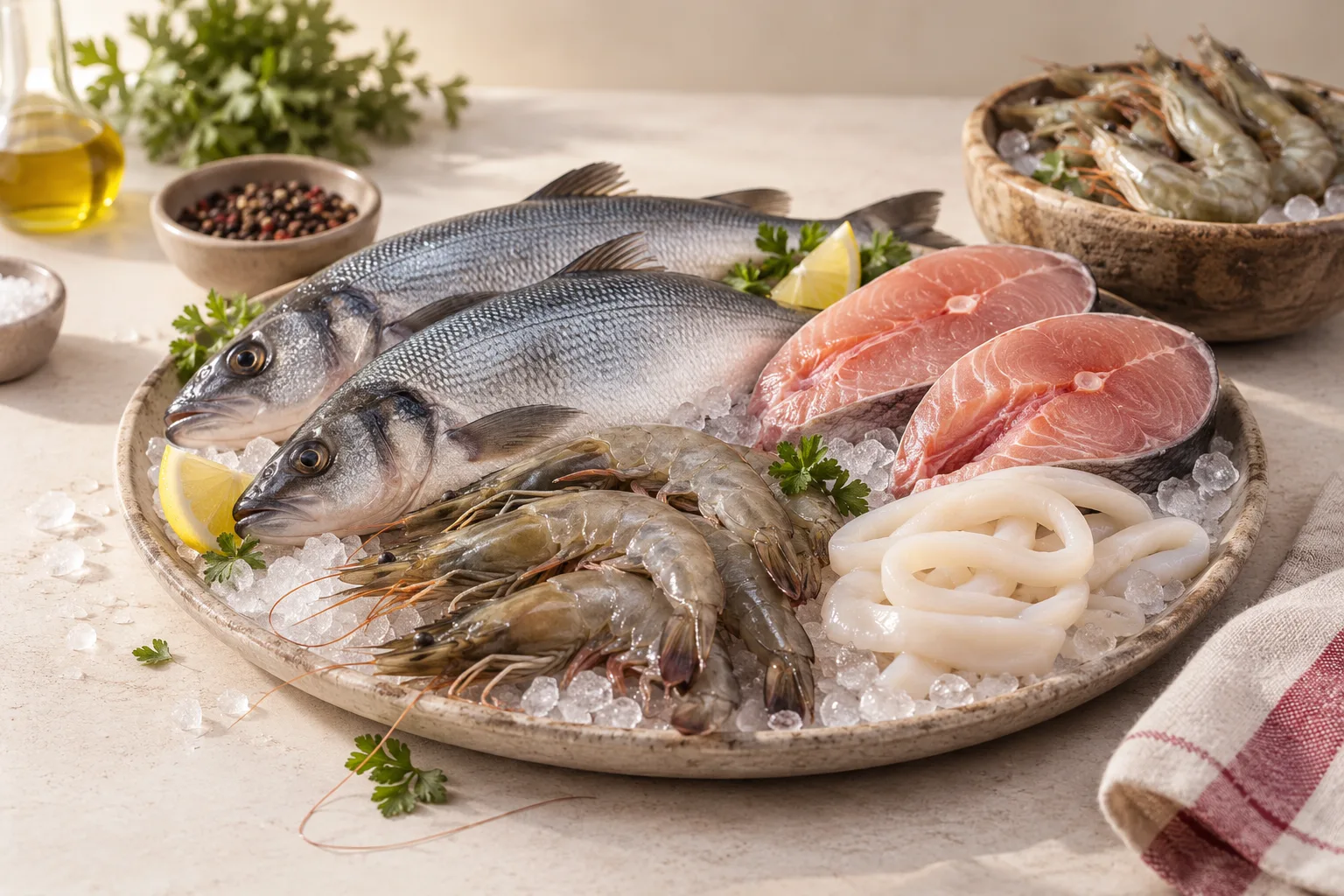
Seafood processing marketing makes a plant known to the importers, retail chains, institutional kitchens and exporters who buy cleaned, frozen or packed fish and shrimp. Seafood processing sales turns a buyer's enquiry into a specification, a sample, a quote and a repeat order. GullySales builds the buyer list, profile and follow-up for plants.
Processing is a plant business: cold storage, lines, approvals and a procurement team of fishermen and farmers behind it. The selling is just as much work. A buyer chooses on specification, audits and records, and a plant that cannot show those quickly loses the first conversation.
Last updated 18 Oct 2026.
How buyers decide
How seafood processing companies are chosen.
Importers, trading houses and retail chains shortlist plants on the product list, the approvals the plant holds for their country, audit reports and the documents they receive with a shipment. A plant that answers the specification sheet precisely gets a sample request.
Domestic buyers such as supermarket chains, hotel groups, airline and hospital caterers, and online fish brands choose on cold chain, pack format, shelf life stated on the label and a supply that does not break. They ask for a visit or a video of the plant.
Buyers who place private-label or contract processing orders want to know the plant's capacity, its freezing and storage space and how it treats a customer's brand and recipe.
The problem
What usually goes wrong for seafood processing companies.
What owners tell us on the first call, in their words.
“Enquiries sit with the plant manager”
A buyer's email reaches a shared inbox, then a manager who is on the floor. The quote follows days later, and a competitor has replied first.
“We are known to three buyers”
Orders come from the same few customers. When one reduces volume, the plant has idle lines and no one to call.
“Every buyer wants the same documents in a different format”
Specifications, approvals and audit reports are rebuilt for each enquiry. The plant loses hours before a sample is even sent.
“A frozen sample reaches the buyer and the quality team's verdict never comes back”
The carton is cut and the glaze, count and colour are judged on a bench. The plant learns the result only if someone asks the quality head for it.
“Price is the only thing buyers discuss”
Without a clear story on cold chain, traceability and handling, the plant is compared on rate per kilo alone.
“The domestic market is ignored”
Chains, hotels and caterers within the country buy processed fish and shrimp too. Nobody at the plant has the time to approach them.
What we do
What we do for seafood processing companies.
Everything included for seafood processing companies.
A specification sheet for each product
Product, species, grade, count or size, pack, glazing, storage and shelf life, set out the way a buyer's quality team reads them.
A plant profile and video
A short document and a walk-through video showing the receiving area, the lines, the freezers and the dispatch, with cold chain described plainly.
A document folder for buyers
Approvals, audit reports, traceability sheet and a sample certificate of the type that goes with a consignment, kept current and ready to send.
An enquiry log and reply routine
Every enquiry from email, the website, a trade directory or a trade show goes into one log with an owner and a next step.
A sample follow-up routine
A note with the sample, a call after it arrives and a record of the buyer's feedback.
A domestic buyer pack
A shorter pack for supermarket chains, hotels and caterers, with local delivery, pack formats and a contact for quality complaints.
How the result is measured
- Enquiries by buyer type, country and source
- Time from enquiry to the first reply
- Samples sent and the orders that followed
- Share of orders from buyers outside the usual few
- Domestic chain, hotel and caterer accounts opened
- Idle line days against the previous year
Recorded as a baseline before work starts, so every later report has an honest comparison.
Every service, written for seafood processing companies
Each has its own page: what it involves for seafood processing companies, what you get, and what it is measured on.
- Lead generationFind the importers and chains that buy the products your plant already makes.
- SEOLet a buyer searching for your product and pack find a page that answers it.
- Social media marketingShow the plant, the cold chain and the people a buyer would audit, in the places buyers look.
- Content marketingWrite the pages a buyer's quality team reads before deciding to send a purchase order.
- Buyer personasWrite down who actually approves a plant, and what each person looks at first.
- CRMKeep every buyer, sample and quote in one record the whole team can read.
- Follow-up systemsKeep every sample, quote and buyer question moving after the first reply.
- WhatsApp marketingUse WhatsApp for what buyers already send there: photographs, quotes and quick questions.
- Digital marketingPut the plant, its products and its documents where buyers search before they write.
- WebsiteBuild a site where a buyer's quality team finds products, plant and documents on first visit.
Worth a page and a campaign of their own
A product and specification sheet for each line · A plant profile with capacity, storage and cold chain described · Approvals and audit documents in one folder · Enquiry handling with a named person and a log · Sample dispatch and follow-up · Domestic chains, hotels and caterers · Private-label and contract processing offers · Buyer visits and plant video
Priority campaigns
Campaigns for what seafood processing companies most want to sell.
Each one planned around when your buyers decide, and measured against the baseline.
Importer and trader outreach
A list of buyers by country and product, an introduction with the specification sheet, and a follow-up after each sample.
Domestic chains and hotels
Introductions to category managers and executive chefs with the domestic pack, a sample and a visit invitation.
Trade show plan
Which shows are worth the stand, who to meet, what to bring and a log sheet in which every card is entered with a next step.
Private-label and contract processing
An offer to brands and online fish sellers who want to pack under their own name, with capacity and minimum quantity set out.
Beyond search
Where we reach buyers of seafood processing companies, beyond Google.
Search matters, but it is rarely the only way this industry's buyers find a supplier.
Importers, traders and buying agents
A list by country and product, drawn from trade directories, fairs and the plant's own contacts.
Supermarket and hotel groups
Category managers and executive chefs who buy processed seafood, each type with its own introduction.
Online fish and meat brands
Direct-to-consumer brands need a processor with clean pack formats, so only those that fit your lines are approached.
Exporters and merchant exporters
Some plants supply other exporters rather than selling direct, so the list includes exporters who source from plants like yours.
Trade bodies and fairs
Seafood associations and trade fairs publish member and visitor lists, and the ones where your buyers gather are picked.
Who it is for
This is written for these seafood processing companies.
- Shrimp processing and freezing plants
- Fish fillet, steak and whole round fish processors
- Value-added seafood processors making ready-to-cook and ready-to-eat products
- Squid, cuttlefish and cephalopod processing plants
- Crab, lobster and shellfish processors
- Surimi, fish paste and fish meal units
- Contract processors who pack for other brands
- Domestic frozen fish suppliers to chains, hotels and caterers
Not for
It is not the right fit if.
- You want a guaranteed Google ranking or a guaranteed number of leads. Nobody honest can promise either.
- You need enquiries by next week and have nobody to answer them.
- You want posts and reach reported, not enquiries and orders.
How it works
How the work runs for seafood processing companies
The work itself, in order. How an engagement starts, from your brief to a written scope, is set out on our method page.
- 1
Read the order book
Who ordered what over the last year, which enquiries were lost and why.
- 2
Put the plant on paper
Specification sheets, the plant profile and the document folder.
- 3
Build the buyer list
Buyers by product, country and type, with a note of how each prefers to be approached.
- 4
Contact and follow up
The first group is contacted, and every reply and sample is tracked with what the buyer asked for.
- 5
Review with the plant
The enquiry log and sample record are laid beside last year's order book, and you decide which buyers deserve more attention.
Where this fits
Three pieces of sales work, in this order.
GullySales builds every engagement from three pieces of sales work. This page is not one of them, but the same three steps apply to the business behind it.
Step 1
Sales audit
Find where deals are being lost and what to fix first.
Start here if you cannot say where orders are lost.
Step 2
Sales process design
One written way to sell, from first enquiry to repeat order.
Start here if every salesperson sells differently.
Step 3
Sales management
A target, a review routine and someone who owns the number.
Start here if the team has targets and no routine.
FAQ
Questions seafood processing companies ask before they call.
Not here? More answers, or ask on WhatsApp.
Can you get us approvals for a country?
We only export. Why look at the domestic market?
Do you find importers abroad?
Can you make claims about freshness or quality?
Is a plant visit video useful?
How much does it cost?
How long is the contract?
How soon will we see results?
Who will actually do the work?
What do you need from us?
Part of Other. See the other industries in the sector.
Your next practical step
Tell us what you are trying to grow, and we will read it before we call.
Eight short steps, mostly taps. Skip anything you would rather answer on the call.