Waste management and recycling companies · Lead generation
Know every enquiry, from the first call from a society to the factory tender.
Lead generation for a waste management company means bringing in enquiries from societies, hotels, offices and factories, and recording each from the first call. GullySales builds the sources, the reply routine and the record, and counts proposals and contracts.
Scope, fee, reporting and term are agreed in writing after we have read your brief and spoken to you.
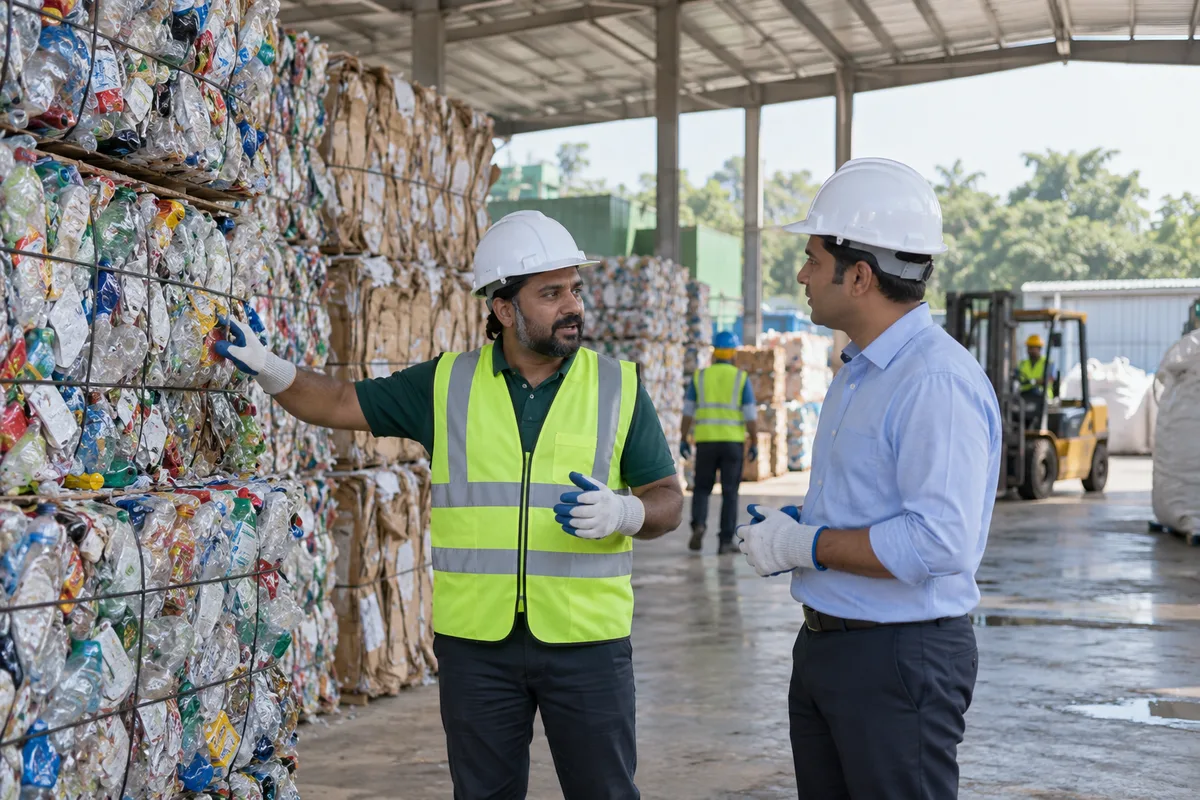
What lead generation means
Lead generation is the combined work of every channel that brings in a new enquiry, whether from search, adverts, referrals or a stall at an exhibition. GullySales runs these channels together and reports the number of enquiries each one produced, not the activity behind it.
Also for waste management and recycling companies
- CRM for waste management and recycling companies
- SEO for waste management and recycling companies
- local SEO for waste management and recycling companies
- WhatsApp marketing for waste management and recycling companies
- a sales process for waste management and recycling companies
- referral marketing for waste management and recycling companies
- website development for waste management and recycling companies
- reputation management for waste management and recycling companies
Sales and marketing for waste management and recycling companies, the overview.
Last updated 11 Oct 2026.
For waste management and recycling companies
Where it usually goes wrong, and what we would do.
“Enquiries arrive through the driver and the supervisor”
A request is made to whoever answers, and the owner does not know it was ever made.
“A proposal request is treated as a sale”
A secretary asks for a quote, the company sends a figure, and nobody asks about the number of flats, the waste type or the committee date.
“Big generators come from relationships you do not record”
A hotel manager hears of you from a colleague, and the source is never written down.
What we do
What we deliver for waste management and recycling companies.
Every deliverable, what it covers for you, and the result it is there to produce. Nothing here is an extra.
A list of sources with an owner for each
Website form, phone, WhatsApp, JustDial, IndiaMART, referrals from clients, committee meetings and tenders, with a named person for each.
Result: No enquiry arrives without somebody responsible.
Questions that qualify a site
Waste type, quantity, number of units or rooms, pickup frequency, existing vendor, decision maker and date of the next meeting.
Result: A real site is told apart from a price check.
A proposal format for each buyer type
One for societies, one for hotels and offices and one for factories, with the scope, the records you provide and the terms.
Result: A proposal is ready the day it is asked for.
A site visit and trial routine
How a visit is booked, what is observed, and how a trial pickup is offered and recorded.
Result: A visit moves the contract forward.
Segregation talks and event capture
A short talk for a society or an office, with a form to capture attendees who ask for a quote.
Result: A talk brings enquiries, not just goodwill.
Report against the baseline
Enquiries, qualified sites, proposals and contracts by source, set beside the figures from before the work began.
Result: You see which source brings contracts.
How the result is measured
- Enquiries generated
- Cost per enquiry
- Enquiries by source
Recorded as a baseline before work starts, so every later report has an honest comparison.
Where enquiries come from
The sources of waste contracts, what to record from each and how to reply.
- A call or message from a society secretary or committee
- Reply the same day. Record the society, area, number of units, waste type, the current vendor and the date of the committee meeting.
- Website form and JustDial enquiries
- Ask for the waste type, quantity and address, call within the day and note whether it is a business or a household enquiry.
- Hotel, restaurant and office referrals
- Record who referred, the contact and the site. Send a short proposal and ask for a visit to the kitchen or the facility room.
- Factory and industrial enquiries
- Record the waste type, the plant manager or EHS contact and the paperwork needed. Reply with the documents you can share, and say which you cannot.
- Segregation talks and collection drives
- Take names and phone numbers of those who ask for a quote, and call within the week. A drive without a follow-up call is a free service.
- Municipal and government tenders
- Record the tender, the dates and the documents needed. Check the portal's current rules and decide on each bid with your accountant.
Who it is for
This is written for these waste management and recycling companies.
- Wet waste collection and composting companies
- Dry waste and plastic recyclers
- Scrap dealers and organised kabadiwala networks
- E-waste collectors and recyclers
- Construction and demolition waste handlers
- Industrial and factory waste managers
- Paper, cardboard and packaging waste recyclers
- Battery, tyre and used oil collectors
- Society and apartment waste management vendors
How it works
From your first message to the first report.
No open-ended retainer. Every step gives you something in writing.
First
Your brief
You tell us what you need in a few short steps: your business, what you want, where enquiries come from and how they are handled.
After the brief
A conversation and a written scope
We read it, then talk with whoever handles your enquiries. If you want our help, the scope, the fee and the reporting come in writing, and nothing starts before you have read them.
Before work starts
Baseline recorded
The numbers this work is meant to move, such as enquiries, quotations, orders, visits or renewals, written down so every later report has an honest comparison.
After the baseline
The first fix goes live
The fix we agreed to start with is put in place and measured against the baseline, whether that is a reply, a follow-up, a page, a listing or the handover between marketing and sales.
As agreed
Report against the baseline
What moved, what did not, and what changes next, in plain words. How often you get it is set in writing before work starts.
At renewal
Renew on the numbers
The term ends and you decide whether to continue from the results. The length is agreed in writing before anything starts.
How the lead generation work runs
- 1
Understand your capacity
We agree how many enquiries your sales team can actually handle well, so the system is not built to overwhelm it.
- 2
Audit current sources
We check what already brings in enquiries today, even informally, before adding anything new.
- 3
Strategise the channel mix
Content, search and paid channels are chosen based on where your buyers already look.
- 4
Implement capture and follow-up
Pages, forms and a follow-up process are built and connected end to end.
- 5
Measure and optimise
We track enquiry volume and quality and adjust the channel mix to match.
Why us
Why owners pick GullySales over an agency.
Marketing and sales, as one job
Most agencies stop at the enquiry. We also fix what happens after it: the reply, the follow-up, the quote and the CRM.
The person on the first call does the work
No account managers in between. You are never handed to someone you have not met.
A baseline before anything starts
Your numbers are written down on day one, so every later report compares against something honest.
The fee in writing, split three ways
Our time, your media spend and production on separate lines. You always see what goes to us.
No guarantees we cannot keep
The term is agreed in writing and never a default twelve months. We never promise a ranking or a lead count, because nobody controls those.
One office, and we say so
Nagarbhavi, Bengaluru. We work across India by call and WhatsApp and travel when a session needs to be in person.
#257, 3rd floor, Sri Nanjundeshwara Complex, Nagarbhavi 8th Block, Outer Ring Road. How we work.
Your brief
Tell us what you need, and we will read it before we call.
Eight short steps about your business, what you want and who decides. Most questions are a tap, and you can skip any you would rather answer on the call.
FAQ
Questions owners ask before they call.
Not here? More answers, or ask on WhatsApp.
Is buying leads from a directory worth it?
How do we deal with duplicate enquiries?
What makes an enquiry qualified for a waste company?
Do offline sources like committee meetings count?
How much does it cost?
How soon will we see results?
Who will actually do the work?
What do you need from us?
What if we are not happy with the work?
More for waste management and recycling companies
Everything else we would do for you.
Closest to this: leads and follow-up
Also for waste management and recycling companies
- SEO for waste management and recycling companies
- local SEO for waste management and recycling companies
- WhatsApp marketing for waste management and recycling companies
- a sales process for waste management and recycling companies
- referral marketing for waste management and recycling companies
- website development for waste management and recycling companies
Or start from the overview: sales and marketing for waste management and recycling companies.
Your next practical step
Tell us what you are trying to grow, and we will read it before we call.
Eight short steps, mostly taps. Skip anything you would rather answer on the call.