Agricultural seed companies · Follow up systems
Call the dealer back before the sowing rush ends the conversation.
A follow-up system for a seed company is the routine that makes sure every dealer enquiry, field day visitor and complaint gets a next contact from a named person. GullySales writes the rules, the messages and the reminders around the sowing windows of your crops.
Scope, fee, reporting and term are agreed in writing after we have read your brief and spoken to you.
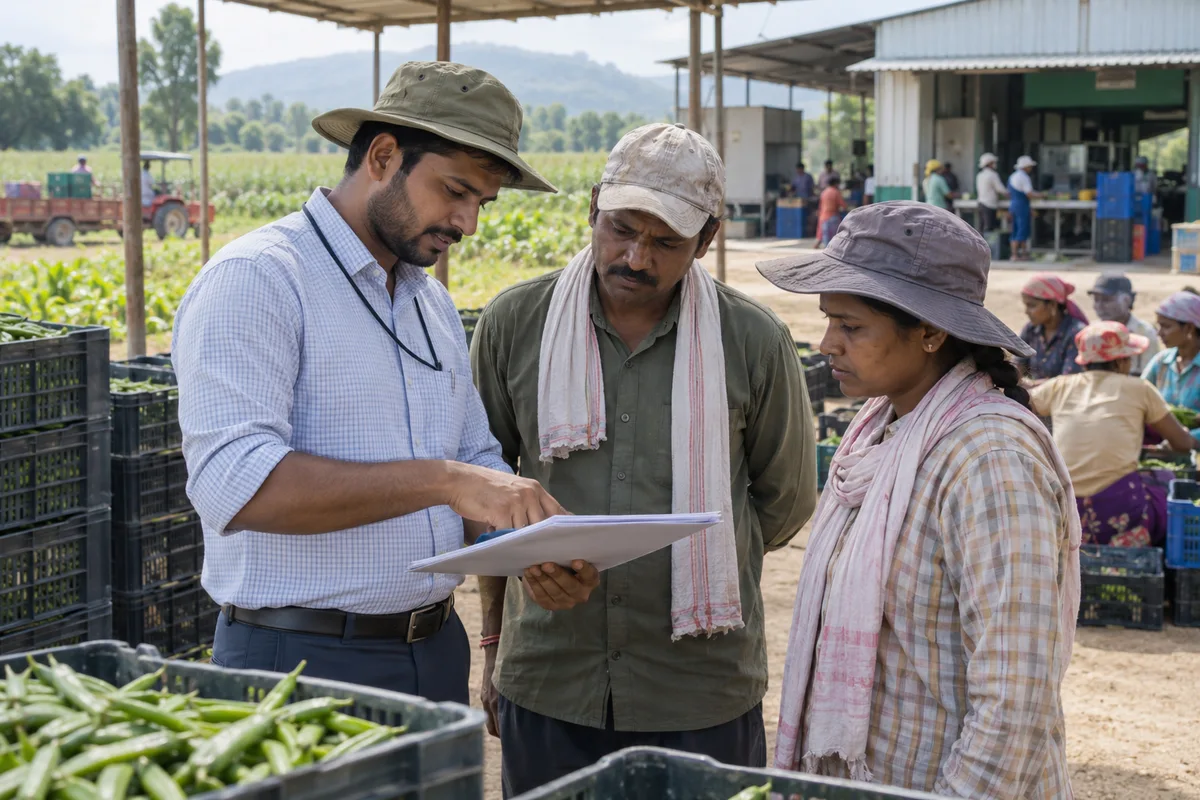
What follow up systems means
A follow-up system is the set routine for calling, messaging or emailing an enquiry more than once, since most buyers do not decide on the first conversation. GullySales sets the number and timing of follow-ups so an undecided buyer keeps hearing from you until they decide either way.
Also for agricultural seed companies
Sales and marketing for agricultural seed companies, the overview.
Last updated 18 Oct 2026.
For agricultural seed companies
Where it usually goes wrong, and what we would do.
“The window is short and the queue is long”
Dealers and farmers ask in the same few weeks. A system that depends on memory fails exactly when the team is busiest, so the reminders must be set before the rush. Build the reminder list in the quiet months and test it with a few dealers first.
“A dealer who was visited once is not a dealer who was followed up”
One visit, a variety sheet and a promise to call. If the promise is not logged with a date, it fades. Write the date and the topic at the end of every visit. Put the next step in the dealer's own words in the record, so a colleague can pick it up without a call.
“Field day visitors are warm for a short time”
A farmer who walked the plot is thinking about it that evening. A message with a plot photograph and the nearest dealer's name should reach them while it is still fresh. Agree who sends it, in which language, and from which number, before the field day starts.
“A complaint followed up late becomes a rumour”
A call-back and a visit from the field team stop the story in the village group. Delay lets it run before the company has spoken. Give the field team a plain script for the first call, covering the lot, the village and what happens next.
What we do
What we deliver for agricultural seed companies.
Every deliverable, what it covers for you, and the result it is there to produce. Nothing here is an extra.
Follow-up rules by type
Who calls, in what order and with what message after a dealer enquiry, a field day, a stock reservation or a complaint.
Result: A one-page rule per situation.
Message templates in district languages
Ready messages for WhatsApp and calls: thanks after a visit, reminder before sowing, update after a complaint.
Result: The team picks a message instead of writing one under pressure.
Reminder schedule tied to sowing
Reminders set from the sowing date backwards for each crop and district.
Result: Each dealer has a dated task before the window.
Escalation path
Who takes over when a call is unanswered or a complaint stays open.
Result: No case sits without an owner.
Missed follow-up report
A list of enquiries and complaints with no contact logged.
Result: You can see what slipped and who holds it.
Post-season review call
A call to each dealer after sell-through to hear what moved and what came back.
Result: Notes on every dealer ready for the next planning meeting.
How the result is measured
- Follow-up completion rate
- Average number of follow-ups before close
- Enquiries closed after repeat follow-up
Recorded as a baseline before work starts, so every later report has an honest comparison.
What to capture or send
The moments when a seed company should call a dealer again.
- After the first visit to a shop
- A call to confirm the terms and the stock date, with the crop named. Record the answer so the next visit begins from it.
- Before the sowing window opens
- A message to the dealers who stocked last season, asking for the quantity wanted. Record who replied, as the silent ones are the ones to ring.
- After a field day
- A call to the dealer and farmers who signed in, asking about the crop they saw. Warm interest fades once the next crop's season begins.
- After a complaint is logged
- A same-day reply with the lot number noted and a named contact. A late reply turns a single complaint into a story the village repeats.
- Season close
- A call to each dealer about sales, returns and next season's plan. The dealers who are not called place their order with a rival.
Who it is for
This is written for these agricultural seed companies.
- Hybrid seed companies for maize, cotton, paddy and vegetables
- Open-pollinated and certified seed producers
- Vegetable and horticulture seed companies
- Oilseed and pulse seed companies
- Fodder seed and forage crop suppliers
- Seed companies selling through distributors and village dealers
- Contract seed production companies working with grower farmers
- Regional seed companies with a few districts as their home market
Not for
It is not the right fit if.
- Your field team is fully booked through the sowing weeks, so a heavy follow-up plan would be dropped when the rush begins.
- You have not decided who answers a complaint, so a quick reply promise would be made by someone with no authority.
- You have no stock to offer after the window opens, so a reminder would only invite dealers to ask for what you lack.
How it works
How the follow up systems work runs
The work itself, in order. How an engagement starts, from your brief to a written scope, is set out on our method page.
- 1
Measure today's reply time
From your recent enquiries, we set the time each arrived against its first reply, using the call log, chats, form entries and portal panel. We also count the follow-ups each one got.
- 2
Agree targets and the sequence
We set reply targets and the follow-up sequence with your team, based on its real hours and workload.
- 3
Write the templates and first-call questions
The first reply, the quote follow-up and the last attempt are written in your voice and loaded as quick replies. The first-call questions are agreed with your best salesperson.
- 4
Set ownership, tasks and alerts
Named owners, cover for leave and CRM or sheet tasks go live. App alerts, such as IndiaMART's, are switched on for the right phones.
- 5
Track and adjust
Reply time and follow-up completion are reported against the baseline, and the routine is changed where it is not kept. How often you are reported to is agreed in writing.
Where this fits
Three pieces of sales work, in this order.
This work sits inside sales process design, at stage 2, qualification. The audit comes before it, and sales management keeps it running.
Step 1
Sales audit
Find where deals are being lost and what to fix first.
Start here if you cannot say where orders are lost.
Step 2 · you are here
Sales process design
One written way to sell, from first enquiry to repeat order.
Start here if every salesperson sells differently.
Step 3
Sales management
A target, a review routine and someone who owns the number.
Start here if the team has targets and no routine.
FAQ
Questions owners ask before they call.
Not here? More answers, or ask on WhatsApp.
What should be automated and what should be a person?
How do we follow up with farmers who gave only a phone number?
What if our field team will not log follow-ups?
What should a representative say when a dealer reports poor emergence?
How much does it cost?
How long is the contract?
How soon will we see results?
Who will actually do the work?
What do you need from us?
What if we are not happy with the work?
More for agricultural seed companies
Everything else we would do for you.
Closest to this: leads and follow-up
Also for agricultural seed companies
Or start from the overview: sales and marketing for agricultural seed companies.
Your next practical step
Tell us what you are trying to grow, and we will read it before we call.
Eight short steps, mostly taps. Skip anything you would rather answer on the call.