Animal healthcare product companies · Content marketing
Write the explanation a vet wishes the brochure had given.
Content marketing for an animal health company means producing articles, case notes and guides that teach vets, shops and farmers something useful about the animals and the products. GullySales plans and drafts the content with your technical team approving every claim.
Scope, fee, reporting and term are agreed in writing after we have read your brief and spoken to you.
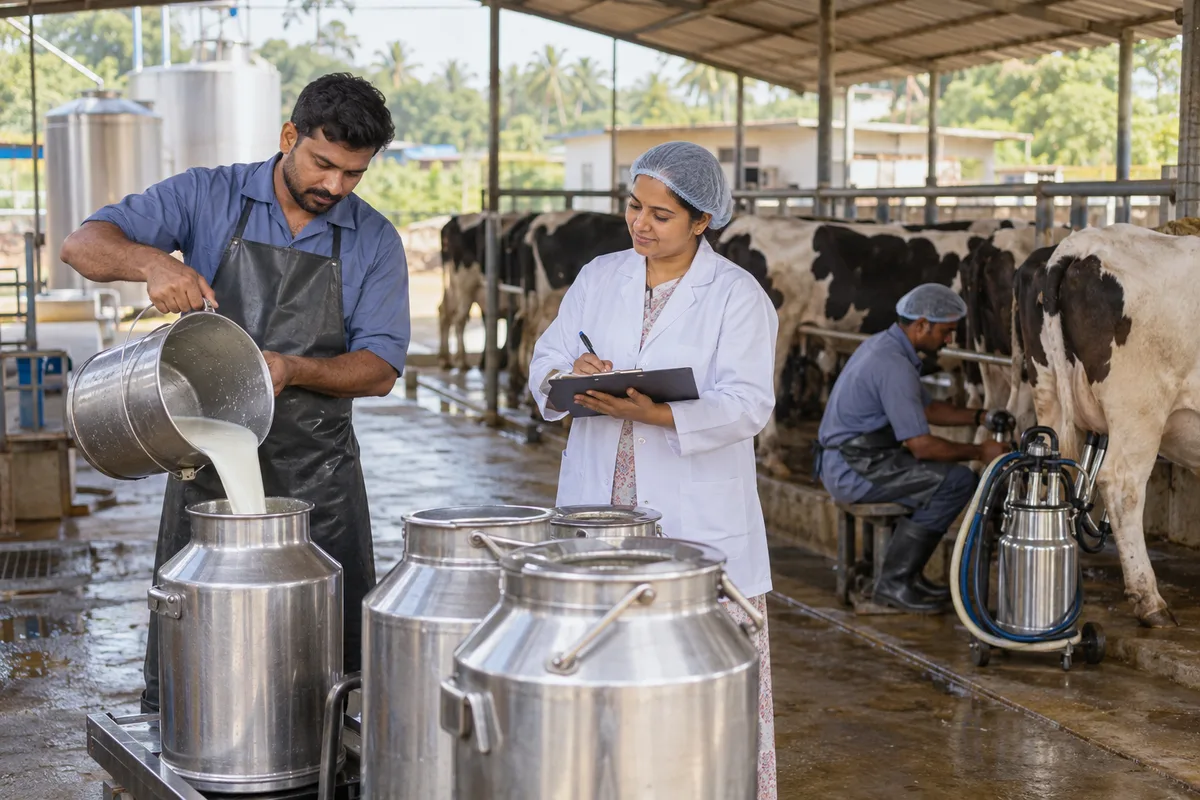
What content marketing means
Content marketing is writing articles, guides and pages that answer the questions buyers search before they are ready to enquire. This makes your business visible and trusted before the first call. GullySales plans this content from the first conversation onward, choosing topics that match real search demand rather than guesses.
Also for animal healthcare product companies
- Social media marketing for animal health companies
- Lead generation for animal health companies
- SEO for animal health companies
- Buyer personas for animal health companies
- CRM for animal health companies
- Follow-up systems for animal health companies
- WhatsApp marketing for animal health companies
- Digital marketing for animal health companies
Sales and marketing for animal healthcare product companies, the overview.
Last updated 18 Oct 2026.
For animal healthcare product companies
Where it usually goes wrong, and what we would do.
“Brochures list, vets want reasons”
A vet reading between cases wants to know when to choose a product and what to watch for. Content that answers that, in plain words, gets kept. Content that restates the registration leaflet does not.
“Technical people are the scarce writers”
Your veterinarian or product manager knows the answers but has no time to write. A writer who interviews them and drafts the page, with the expert approving, turns knowledge into content without taking a day from the clinic.
“Farmer content must be simple and local”
A guide on cleaning a milking area or storing a vaccine needs short sentences, the district language and an instruction to ask the vet. Translated technical text does not get read at the shed.
“Tender buyers read evidence”
A cooperative or integrator comparing products looks for trial summaries and technical papers. Well-organised evidence is content too, and it belongs on the website and in the tender file.
What we do
What we deliver for animal healthcare product companies.
Every deliverable, what it covers for you, and the result it is there to produce. Nothing here is an extra.
A content plan by reader
Topics for vets, distributors and farmers, each tied to a product and a purpose.
Result: The team knows what is being written, for whom and why.
Technical articles drafted from your experts
Interview-led drafts on use, handling and storage, approved by your veterinarian before publication.
Result: Each article carries the name of the person who approved it.
Farmer guides in district languages
Short illustrated guides for products sold to farmers, ending with a pointer to the vet.
Result: A field representative can hand one over at a shop or a camp.
A claims check list
A list of what each product page may and may not say, compared against the registered information.
Result: Writers and reviewers work from the same limits.
An evidence folder for large buyers
Trial summaries, product papers and registration details arranged for cooperatives and integrators.
Result: A buyer who asks for proof gets one organised folder.
How the result is measured
- Pages published
- Organic traffic
- Enquiries from content pages
Recorded as a baseline before work starts, so every later report has an honest comparison.
Posts and pieces to plan
Plan the pieces a vet wishes the brochure had been.
- When to choose this over another form
- A short note comparing forms of one product, such as injectable and oral, using label facts and leaving the final choice to the vet.
- What the withdrawal period means for the farmer
- A plain explanation for dairy and poultry buyers of why the label period matters, with a line to check with their vet for the product they hold.
- Handling and storing the product
- A one-page guide on storage at the shop and on the farm, taken from the label, for counter staff who handle the stock.
- A distributor's counter guide
- A card for the shop assistant on which product answers which question and when to send the buyer to a vet.
- Questions vets ask us
- A running page built from the real objections in the CRM, each answered by the company's technical person.
Who it is for
This is written for these animal healthcare product companies.
- Veterinary medicine and injectable brands
- Poultry vaccine and health product companies
- Cattle and buffalo supplement and mineral mixture brands
- Feed additive and probiotic companies
- Pet health and grooming product brands
- Hygiene, teat dip and disinfectant makers for dairies
- Diagnostic kit and test companies
- Companies that supply products to government and cooperative tenders
Not for
It is not the right fit if.
- No technical person can sign off pieces, and an unchecked explanation of a medicine is a risk to the brand.
- The product has too little label information to explain beyond what the brochure already says.
- You want articles to compare your product with a named rival, which needs legal and regulatory review first.
How it works
How the content marketing work runs
The work itself, in order. How an engagement starts, from your brief to a written scope, is set out on our method page.
- 1
Agree the plan
Topics and formats come from the content strategy and the buyer-question list. The volume goes into the written scope, agreed with you, not into a number quoted on a call.
- 2
Brief and draft
Each piece starts from its one-page brief and a short conversation with your technical person, recorded if they allow it, so the draft uses their words.
- 3
Check the facts
Your person marks the draft for accuracy and we correct it. Regulated subjects also go to your own adviser, because restrictions on claims apply to articles as much as to advertisements.
- 4
Publish and distribute
The piece goes live on your site, then out through the channels where your buyers already are.
- 5
Read the enquiries and adjust
Results are reported against the baseline recorded before work began. Topics that brought readers but no enquiries are changed or dropped. How often you are reported to is agreed in writing.
Where this fits
Three pieces of sales work, in this order.
This work sits inside sales process design, at stage 0, foundation. The audit comes before it, and sales management keeps it running.
Step 1
Sales audit
Find where deals are being lost and what to fix first.
Start here if you cannot say where orders are lost.
Step 2 · you are here
Sales process design
One written way to sell, from first enquiry to repeat order.
Start here if every salesperson sells differently.
Step 3
Sales management
A target, a review routine and someone who owns the number.
Start here if the team has targets and no routine.
FAQ
Questions owners ask before they call.
Not here? More answers, or ask on WhatsApp.
Who signs off the content?
Can content mention competitor products?
What if our experts have no time?
Can a piece explain how the product works?
How much does it cost?
How long is the contract?
How soon will we see results?
Who will actually do the work?
What do you need from us?
What if we are not happy with the work?
More for animal healthcare product companies
Everything else we would do for you.
Closest to this: content and social
Also for animal healthcare product companies
Or start from the overview: sales and marketing for animal healthcare product companies.
Your next practical step
Tell us what you are trying to grow, and we will read it before we call.
Eight short steps, mostly taps. Skip anything you would rather answer on the call.