Animal healthcare product companies · Follow up systems
Every vet who showed interest gets a second contact with a reason attached.
A follow-up system for an animal health company is the set of rules that decides who contacts an interested vet, shop or buyer next, when and with what. GullySales builds the rules, the message set and the record that keeps them working.
Scope, fee, reporting and term are agreed in writing after we have read your brief and spoken to you.
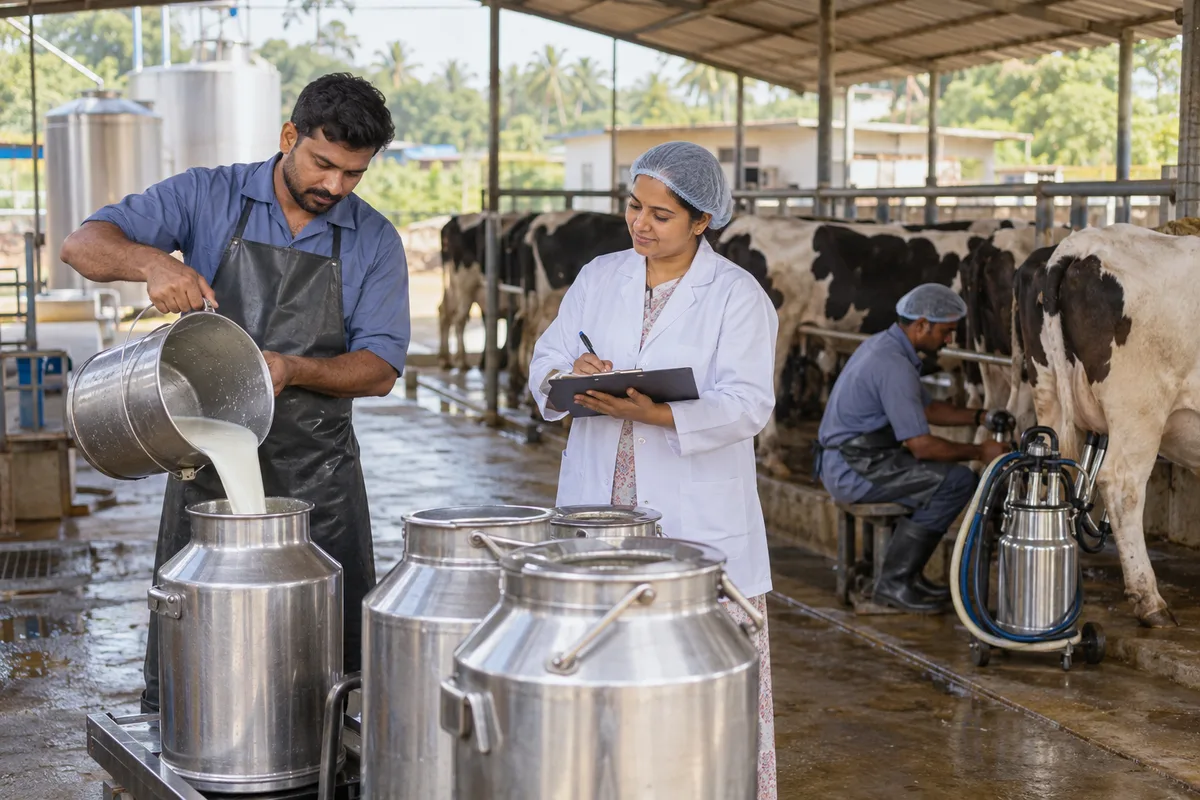
What follow up systems means
A follow-up system is the set routine for calling, messaging or emailing an enquiry more than once, since most buyers do not decide on the first conversation. GullySales sets the number and timing of follow-ups so an undecided buyer keeps hearing from you until they decide either way.
Also for animal healthcare product companies
- Lead generation for animal health companies
- CRM for animal health companies
- SEO for animal health companies
- Social media marketing for animal health companies
- Content marketing for animal health companies
- Buyer personas for animal health companies
- WhatsApp marketing for animal health companies
- Digital marketing for animal health companies
Sales and marketing for animal healthcare product companies, the overview.
Last updated 18 Oct 2026.
For animal healthcare product companies
Where it usually goes wrong, and what we would do.
“One visit does not make a prescriber”
A vet who liked the explanation still needs to try the product, see the case through and hear back from the company. Without a second contact, the interest fades and a competitor's representative gets the next conversation.
“A trial pack needs a call after it”
Leaving a pack with a vet and not asking how it went wastes the best moment in the sale. The follow-up asks what the vet saw, answers a question and agrees the next step.
“Shops need follow-up after the first order”
A distributor who stocked once and heard nothing assumes the brand does not care. A visit, a counter note and a check on slow stock keep the brand on the shelf and in the staff's conversation.
“Large buyers need a patient, documented chase”
Cooperatives and integrators take decisions through committees. A polite, documented follow-up to both the purchase and technical heads keeps the file moving without pressure.
What we do
What we deliver for animal healthcare product companies.
Every deliverable, what it covers for you, and the result it is there to produce. Nothing here is an extra.
A follow-up rulebook
Rules saying who is contacted after each event: a first visit, a trial pack, a first order, a tender request.
Result: No interested name is left without a planned next contact.
A message set for each stage
Short mail, WhatsApp and call scripts for vets, shops and large buyers.
Result: The team does not write each follow-up from scratch.
A reminder routine in the record
Next-step dates entered in the CRM or sheet with a named owner against each.
Result: A manager sees overdue follow-ups at a glance.
A lapsed-account list
Vets and shops that showed interest or ordered once and then went quiet, with a reason to reconnect.
Result: The team has a list of warm names to approach again.
A review of dropped follow-ups
A look at where contacts stopped and why, so the rules can be corrected.
Result: The gaps in the system are named and not guessed.
How the result is measured
- Follow-up completion rate
- Average number of follow-ups before close
- Enquiries closed after repeat follow-up
Recorded as a baseline before work starts, so every later report has an honest comparison.
What to capture or send
Give each vet a second contact with a reason attached.
- After a sample is given
- A call or message from the rep asking for the vet's observation, with a question about the case it was used on, not a push to order.
- After an objection about price
- A message with what the distributor charges and the label facts the vet asked for, sent by the rep who heard the objection.
- After a shop agrees to stock
- A note to the shop confirming the distributor, the product list and a counter card, so stocking becomes a decision made and recorded.
- Before a vet event
- An invitation naming the topic and place, sent to vets who showed interest in that species.
- After no reply
- A short message giving one new fact, such as a technical note the vet asked about, and asking whether to keep sending.
Who it is for
This is written for these animal healthcare product companies.
- Veterinary medicine and injectable brands
- Poultry vaccine and health product companies
- Cattle and buffalo supplement and mineral mixture brands
- Feed additive and probiotic companies
- Pet health and grooming product brands
- Hygiene, teat dip and disinfectant makers for dairies
- Diagnostic kit and test companies
- Companies that supply products to government and cooperative tenders
Not for
It is not the right fit if.
- The rep who made the first visit has left and left no record, so a follow-up would be a cold approach.
- You have no new technical note or event to offer, and a repeat call without a reason is read as pressure.
- The company has not agreed whether vets may be messaged, and a contact plan would go ahead without consent.
How it works
How the follow up systems work runs
The work itself, in order. How an engagement starts, from your brief to a written scope, is set out on our method page.
- 1
Measure today's reply time
From your recent enquiries, we set the time each arrived against its first reply, using the call log, chats, form entries and portal panel. We also count the follow-ups each one got.
- 2
Agree targets and the sequence
We set reply targets and the follow-up sequence with your team, based on its real hours and workload.
- 3
Write the templates and first-call questions
The first reply, the quote follow-up and the last attempt are written in your voice and loaded as quick replies. The first-call questions are agreed with your best salesperson.
- 4
Set ownership, tasks and alerts
Named owners, cover for leave and CRM or sheet tasks go live. App alerts, such as IndiaMART's, are switched on for the right phones.
- 5
Track and adjust
Reply time and follow-up completion are reported against the baseline, and the routine is changed where it is not kept. How often you are reported to is agreed in writing.
Where this fits
Three pieces of sales work, in this order.
This work sits inside sales process design, at stage 2, qualification. The audit comes before it, and sales management keeps it running.
Step 1
Sales audit
Find where deals are being lost and what to fix first.
Start here if you cannot say where orders are lost.
Step 2 · you are here
Sales process design
One written way to sell, from first enquiry to repeat order.
Start here if every salesperson sells differently.
Step 3
Sales management
A target, a review routine and someone who owns the number.
Start here if the team has targets and no routine.
FAQ
Questions owners ask before they call.
Not here? More answers, or ask on WhatsApp.
What number of follow-ups is right?
Will vets find follow-ups annoying?
Can follow-up be automated?
Should the rep or the head office follow up?
How much does it cost?
How long is the contract?
How soon will we see results?
Who will actually do the work?
What do you need from us?
What if we are not happy with the work?
More for animal healthcare product companies
Everything else we would do for you.
Closest to this: leads and follow-up
Also for animal healthcare product companies
Or start from the overview: sales and marketing for animal healthcare product companies.
Your next practical step
Tell us what you are trying to grow, and we will read it before we call.
Eight short steps, mostly taps. Skip anything you would rather answer on the call.