Cattle farms · Social media
Let the shed, the milking and the calving do the talking on a buyer's phone.
Social media marketing for a cattle farm is the plan for what to post, where and for whom, so that dairy farmers see the herd at work before any enquiry arrives. GullySales works on the post types, the channels and the way a reply becomes an entry in the enquiry sheet.
Scope, fee, reporting and term are agreed in writing after we have read your brief and spoken to you.
What social media means
Social media is the ongoing posting your business does on platforms such as Instagram, Facebook and LinkedIn to stay visible to customers and prospects between purchases. GullySales plans a posting calendar, writes captions and designs the images so the page looks active and answers what a visitor would ask.
Last updated 18 Oct 2026.
For cattle farms
Where it usually goes wrong, and what we would do.
“A cow in motion says more than a still”
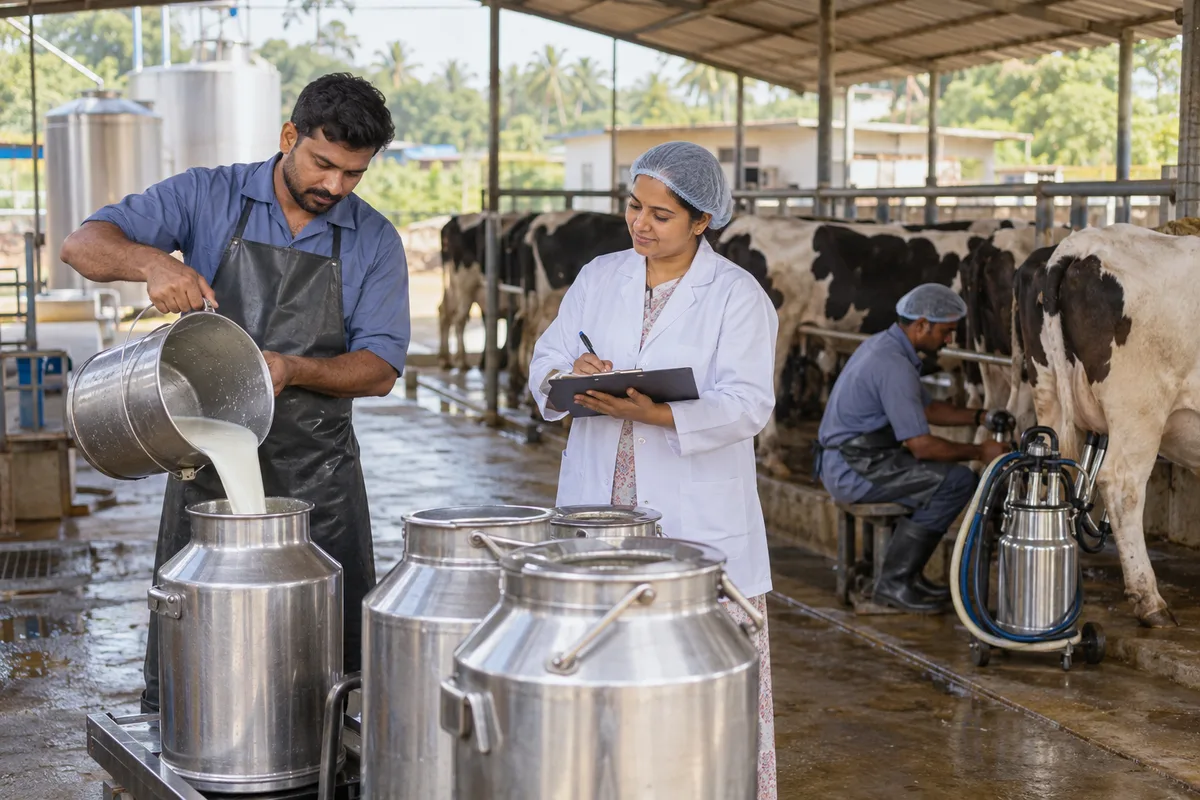
A buyer wants to see how the animal walks, how the udder hangs and how the cow behaves at milking. A short video from the milking parlour carries that in a way no studio photograph does, and it is hard for a broker to copy.
“The audience sits on several platforms”
Younger dairy owners watch YouTube and Instagram, village groups live on WhatsApp and the older generation of farmers still ask on Facebook. One clip cut to the right shape for each channel reaches all of them without new filming.
“Comments are enquiries in disguise”
A viewer who writes "price?" under a video is a lead. If the farm replies in public with the price and nothing else, the buyer is lost to a copycat. A reply that moves the person to a private chat and a sheet entry keeps the lead.
What we do
What we deliver for cattle farms.
Every deliverable, what it covers for you, and the result it is there to produce. Nothing here is an extra.
A content plan built on the herd
A list of post ideas drawn from what happens on the farm: calving, feeding, milking, a new batch, a buyer visit.
Result: The farm always knows what to film next.
Short videos in the local language
Clips of the animals with the voice-over or caption in the language your buyers speak.
Result: A buyer who does not read English can follow the video.
Channel set-up for YouTube, Facebook and Instagram
Profiles with the farm name, location, a link to the website and a WhatsApp button.
Result: Every post leads to a way of contacting the farm.
A reply guide for comments and messages
Short wording for the common questions: price, breed, availability, visit.
Result: Comments get an answer that moves the buyer toward a call.
A posting calendar the family can keep
A simple sheet saying who films, who edits and who posts, built around the farm's own workload.
Result: The plan fits the people already running the farm.
How the result is measured
- Posts published
- Engagement rate
- Enquiries from social profiles
Recorded as a baseline before work starts, so every later report has an honest comparison.
Posts and pieces to plan
The posts a cattle farm can plan from what happens in the shed on an ordinary day.
- A cow being milked, start to finish
- A short video in the local language showing the animal, the milker and the clean bucket. It gives a buyer a look at the routine, not a claim.
- A heifer walking and standing in the yard
- A clear video from the side and the rear, with a caption giving the breed, the age and whether the animal is available. Proof sits in the picture.
- A newborn calf and its dam
- A post on a calving, with the dam's record beside it. Keep the caption plain and say only what the register holds.
- A feed day in the shed
- A reel of the fodder, the water and the cleaning. A buyer judges care from what they see, and the video answers it before the visit.
- A sold animal leaving the farm
- A post with the buyer's permission, showing the animal loaded safely. It shows the farm sells and that animals reach a good home.
Who it is for
This is written for these cattle farms.
- Holstein Friesian and Jersey cross farms
- Gir, Sahiwal and other desi cattle breeders
- Murrah and other buffalo breeders
- Heifer rearing farms
- Farms supplying new dairy start-ups
- Bull farms and semen suppliers
- Farms selling to gaushalas
- Farms selling calves and breeding stock
Not for
It is not the right fit if.
- Nobody on the farm can film or reply to comments, so a posting plan would lapse after the first few videos
- The animals on offer change faster than a post can be made, so a feed of available stock would show sold animals
How it works
How the social media work runs
The work itself, in order. How an engagement starts, from your brief to a written scope, is set out on our method page.
- 1
Confirm audience, platforms and access
We note which platforms your buyers use and check that the pages sit under your own business accounts, with you as owner and us as added roles.
- 2
Review the current presence
We read the existing pages, the posts that drew replies and the gaps in posting.
- 3
Build the calendar
Themes, formats and dates are set out for your approval, with space for offers and news.
- 4
Create, approve and publish
Posts are made, approved by you and scheduled. Replies to the public are handled in your voice.
- 5
Record enquiries and adjust
Enquiries are logged against the post or platform where they began, and the mix changes to follow what brings them.
Where this fits
Three pieces of sales work, in this order.
This work sits inside sales process design, at stage 0, foundation. The audit comes before it, and sales management keeps it running.
Step 1
Sales audit
Find where deals are being lost and what to fix first.
Start here if you cannot say where orders are lost.
Step 2 · you are here
Sales process design
One written way to sell, from first enquiry to repeat order.
Start here if every salesperson sells differently.
Step 3
Sales management
A target, a review routine and someone who owns the number.
Start here if the team has targets and no routine.
FAQ
Questions owners ask before they call.
Not here? More answers, or ask on WhatsApp.
Should we post prices?
Can we use a buyer's face or farm in a video?
Do we have to boost posts with money?
Should we post animals that are already sold?
How long is the contract?
How soon will we see results?
Who will actually do the work?
What do you need from us?
What if we are not happy with the work?
More for cattle farms
Everything else we would do for you.
Closest to this: content and social
Also for cattle farms
Or start from the overview: sales and marketing for cattle farms.
Your next practical step
Tell us what you are trying to grow, and we will read it before we call.
Eight short steps, mostly taps. Skip anything you would rather answer on the call.