CCTV and security system installers · Follow up systems
Chase the quote the technician left behind, with a reason each time.
A follow-up system for a CCTV installer is the set of fixed calls and messages after every survey, quote and installation, until the buyer says yes, says no or signs a maintenance contract. GullySales writes the steps and the reasons to record, so a survey stops ending in silence.
Scope, fee, reporting and term are agreed in writing after we have read your brief and spoken to you.
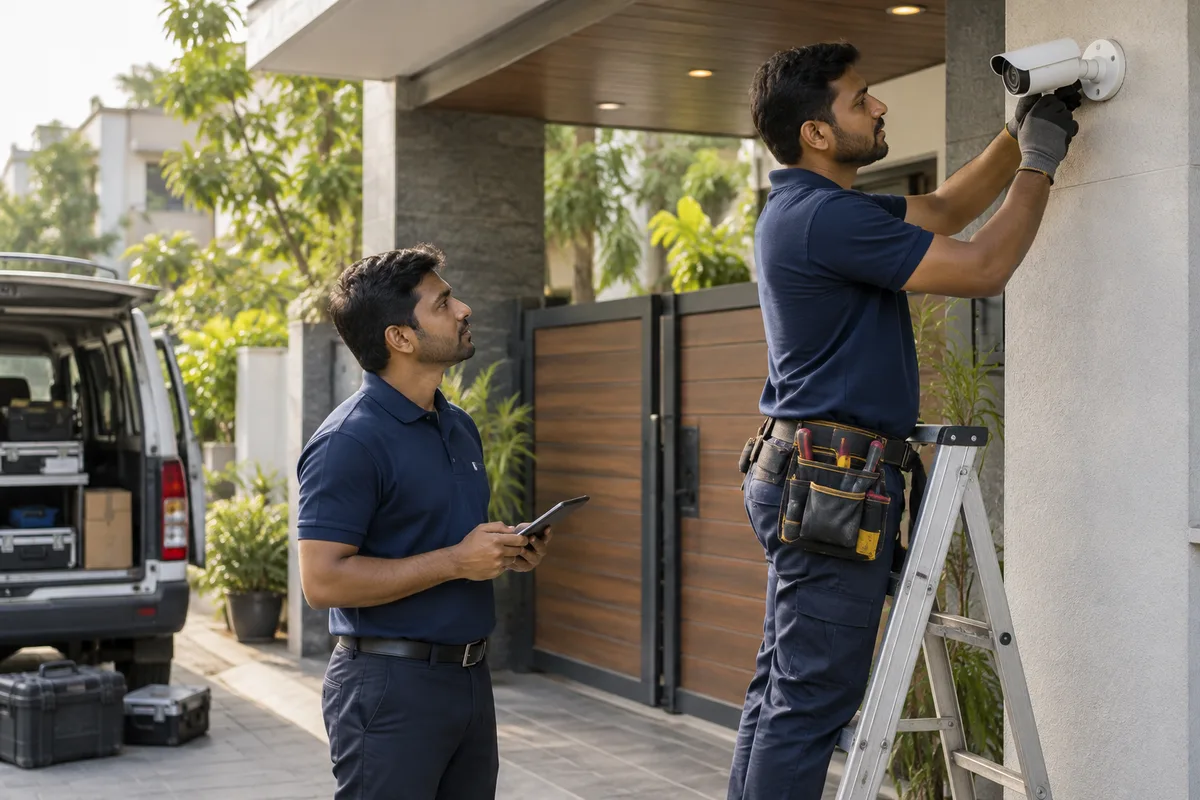
What follow up systems means
A follow-up system is the set routine for calling, messaging or emailing an enquiry more than once, since most buyers do not decide on the first conversation. GullySales sets the number and timing of follow-ups so an undecided buyer keeps hearing from you until they decide either way.
Also for CCTV and security system installers
- Lead generation for CCTV and security system installers
- CRM for CCTV and security system installers
- SEO for CCTV and security system installers
- PPC ads for CCTV and security system installers
- Digital marketing for CCTV and security system installers
- Reputation management for CCTV and security system installers
- Local SEO for CCTV and security system installers
- Branding for CCTV and security system installers
Sales and marketing for CCTV and security system installers, the overview.
Last updated 5 Oct 2026.
For CCTV and security system installers
Where it usually goes wrong, and what we would do.
“The survey ends and nobody calls”
The technician draws the layout, the office sends the quote and the matter rests. Meanwhile the shop owner shows the same sketch to a cheaper electrician. Whether that sketch ends up belonging to you or to them is decided by what happens after the visit.
“Committees stall without anyone refusing”
A society proposal is postponed, never rejected. The agenda fills, the treasurer changes, the quorum fails. A follow-up that asks for the next meeting date, rather than a decision, keeps the proposal on the agenda where the vote will happen.
“An installed system goes quiet after handover”
Once the cameras are running the customer hears nothing until one fails. Contact before that day, a check on the recorder and a reminder of the contract, is what separates your firm from whoever the customer finds on Maps next.
What we do
What we deliver for CCTV and security system installers.
Every deliverable, what it covers for you, and the result it is there to produce. Nothing here is an extra.
A fixed sequence after every survey
A call once the quote is sent, a message if that call goes unanswered, and a last note offering to change the scope.
Result: No survey is left without a next step.
A reason recorded for every lost job
Price, timing, an electrician's offer, an online kit or a postponed committee, picked from a short list by whoever closes the file.
Result: Lost jobs teach you how to write the next quote.
Scripts for the first call after the quote
Opening lines for a shop owner, a homeowner and a committee secretary, asking what is still unclear instead of whether they will buy.
Result: The call is a conversation, not a push.
A check after handover
A call to confirm that the recorder is saving, the phone login works and the buyer knows the service number.
Result: Small faults are met before they become complaints.
A renewal chase for each contract
Reminders ahead of every contract end date, then a call and a visit offer if there is no reply.
Result: Renewals are asked for, not hoped for.
A list of open quotes for the owner
Every open quote and proposal with the next action, the person responsible and the date, looked at in the owner's own meeting.
Result: The owner sees where money is stuck.
How the result is measured
- Follow-up completion rate
- Average number of follow-ups before close
- Enquiries closed after repeat follow-up
Recorded as a baseline before work starts, so every later report has an honest comparison.
What to capture or send
The messages and records that follow a CCTV survey until the quote is decided.
- Survey notes with photographs of the proposed positions
- Taken by the surveyor on site. Sending the camera positions with the quote shows the buyer exactly what is being priced.
- Quote sent with a covering message
- State what is included, the warranty and the AMC option, then ask which part needs explaining. It lets a hesitant buyer name the real concern.
- A call to the person who paid
- If the committee or the owner decides, reach them too. The person who met the technician is rarely the person who signs.
- Handover message with the access details
- Send the user guide, the date of the first check and the number for faults. It tells the customer what to expect from you.
- Renewal notice before the contract date
- A message that names the system, the end date and what the renewal covers. It turns a finished job into an account.
Who it is for
This is written for these CCTV and security system installers.
- CCTV installers serving homes and shops
- Security system integrators for businesses and factories
- Apartment and gated community security installers
- Access control and biometric attendance providers
- Intrusion alarm and video door phone installers
- Authorised dealers and distributors of camera brands
- IT and networking firms adding surveillance
- AMC and service-focused security companies
Not for
It is not the right fit if.
- Your quotes go out the same day with no records kept, so a sequence would have nothing to follow
- You offer no AMC or service, so the renewal part of a sequence would have no meaning
How it works
How the follow up systems work runs
The work itself, in order. How an engagement starts, from your brief to a written scope, is set out on our method page.
- 1
Measure today's reply time
From your recent enquiries, we set the time each arrived against its first reply, using the call log, chats, form entries and portal panel. We also count the follow-ups each one got.
- 2
Agree targets and the sequence
We set reply targets and the follow-up sequence with your team, based on its real hours and workload.
- 3
Write the templates and first-call questions
The first reply, the quote follow-up and the last attempt are written in your voice and loaded as quick replies. The first-call questions are agreed with your best salesperson.
- 4
Set ownership, tasks and alerts
Named owners, cover for leave and CRM or sheet tasks go live. App alerts, such as IndiaMART's, are switched on for the right phones.
- 5
Track and adjust
Reply time and follow-up completion are reported against the baseline, and the routine is changed where it is not kept. How often you are reported to is agreed in writing.
Where this fits
Three pieces of sales work, in this order.
This work sits inside sales process design, at stage 2, qualification. The audit comes before it, and sales management keeps it running.
Step 1
Sales audit
Find where deals are being lost and what to fix first.
Start here if you cannot say where orders are lost.
Step 2 · you are here
Sales process design
One written way to sell, from first enquiry to repeat order.
Start here if every salesperson sells differently.
Step 3
Sales management
A target, a review routine and someone who owns the number.
Start here if the team has targets and no routine.
FAQ
Questions owners ask before they call.
Not here? More answers, or ask on WhatsApp.
How many times should we chase a quote?
What do we say when a buyer says they will think about it?
How do we follow up with an association without nagging?
What do we say to a society that has not replied to the quote?
How much does it cost?
How long is the contract?
How soon will we see results?
Who will actually do the work?
What do you need from us?
What if we are not happy with the work?
From the blog
Further reading for CCTV and security system installers.
 6 min read · 2 Jun 2026Why specialist trades lose the enquiry in the first hourAn urgent buyer calls two installers and books whoever picks up first. This post shows how a specialist trade can design the first response, and who answers, before spending on any ad.
 6 min read · 23 Jul 2026Local search for niche trades: what to put on the profile and websiteA niche trade is found when its Google profile and website name the exact service, the area served and show photos of real work. This post lists what to write, what to upload and what to leave out.
 6 min read · 9 Jul 2026Quoting after a site visit: a one-page format that gets signedA one-page quotation with scope, price, exclusions and a next step is easier to approve than a long document. This post gives the layout, a worked example and the mistakes to avoid.
More for CCTV and security system installers
Everything else we would do for you.
Closest to this: leads and follow-up
Also for CCTV and security system installers
- SEO for CCTV and security system installers
- PPC ads for CCTV and security system installers
- Digital marketing for CCTV and security system installers
- Reputation management for CCTV and security system installers
- Local SEO for CCTV and security system installers
- Branding for CCTV and security system installers
Or start from the overview: sales and marketing for CCTV and security system installers.
Your next practical step
Tell us what you are trying to grow, and we will read it before we call.
Eight short steps, mostly taps. Skip anything you would rather answer on the call.