Cold-chain fish distributors · Content marketing
Write what a purchase head wants to know before ordering fish.
Content marketing for a fish distributor means writing and publishing the answers a kitchen, shop or canteen buyer wants before trusting a new supplier. GullySales works on choosing the questions, writing from your own depot's practice and placing each piece where buyers read.
Scope, fee, reporting and term are agreed in writing after we have read your brief and spoken to you.
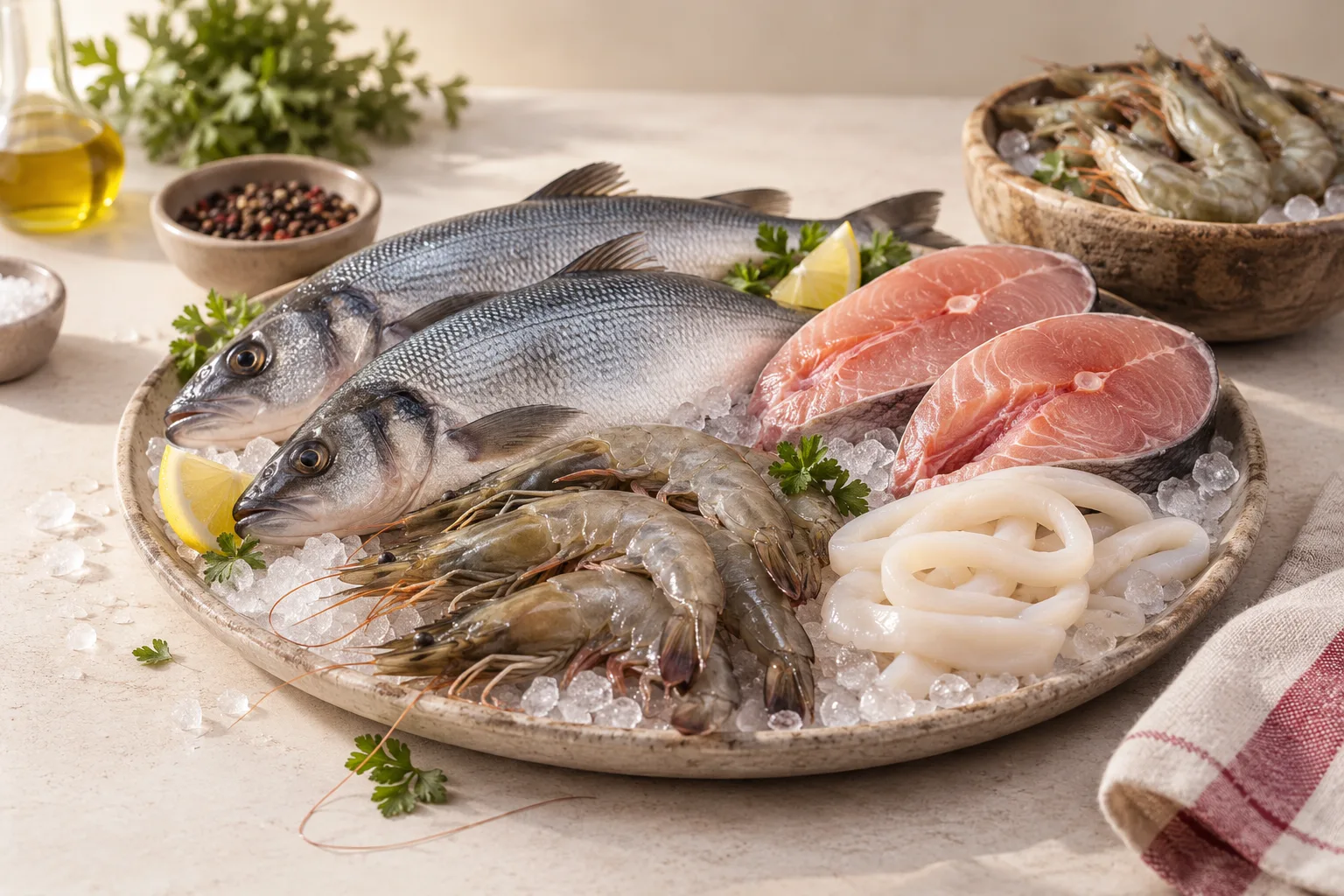
What content marketing means
Content marketing is writing articles, guides and pages that answer the questions buyers search before they are ready to enquire. This makes your business visible and trusted before the first call. GullySales plans this content from the first conversation onward, choosing topics that match real search demand rather than guesses.
Also for cold-chain fish distributors
Sales and marketing for cold-chain fish distributors, the overview.
Last updated 18 Oct 2026.
For cold-chain fish distributors
Where it usually goes wrong, and what we would do.
“The price list leaves questions open”
How is the fish iced on the van? Which size grades do you sell? What happens when a box arrives warm? A buyer weighing a trial lot looks for these answers. A short, honest piece covering them carries the first round of the sales conversation.
“Generic fish articles draw the wrong readers”
A recipe or a health piece about fish brings households. Your buyer is a chef, a shop owner or a purchase head. Pieces on grading, sizes, packing and supply during the fishing ban speak to people who order in volume.
“Your graders know the material”
The person who sorts the catch at dawn knows what separates a good lot from a poor one. Writing from that knowledge sounds like a supplier who handles fish, not like a copied article. Your team gives the facts and we set them down.
“A piece needs one next step”
A reader who finishes a note on delivery slots has nowhere to go if the page simply stops. Close each piece with a single ask, such as a trial lot or a request for the licence pack, so interest becomes a message you can record.
What we do
What we deliver for cold-chain fish distributors.
Every deliverable, what it covers for you, and the result it is there to produce. Nothing here is an extra.
Question list from the trade
The questions chefs, shop owners and purchase heads ask, gathered from your sales calls and complaints.
Result: A ranked list of questions, each assigned to a piece.
Guides on grading and handling
Plain guides to how you grade, ice, pack and deliver, with the facts given and checked by your team.
Result: Guides a salesman can send to a buyer.
Fishing ban supply note
A note buyers read before the ban starts, saying what you can supply and what you cannot. Ban dates and rules differ by state, so check with your own fisheries department.
Result: A note ready to send before the ban begins.
Licence and cold-chain page
A page describing your licences and cold chain, using documents your team provides.
Result: A page a canteen buyer can open without asking.
Reuse plan
Each piece cut into a WhatsApp message, a social post and a line for the sales pack.
Result: Every piece listed beside the places it is used.
How the result is measured
- Pages published
- Organic traffic
- Enquiries from content pages
Recorded as a baseline before work starts, so every later report has an honest comparison.
Posts and pieces to plan
The pieces a purchase head reads before ordering fish from a new supplier.
- How we grade pomfret, seer and sardine
- A page showing the grades by size, the weight bands and how each grade is packed. A chef then knows what a crate holds before the first delivery.
- What happens between the landing centre and the kitchen
- A plain account of icing, loading, van type and handover, with photographs. State only what you do, not what you hope buyers will assume.
- When the fishing ban affects supply
- A short note for regular buyers on which fish become scarce during the seasonal ban and what you offer in its place. Buyers prefer a warning to a surprise.
- Licence and records we can share
- A page listing the documents an institutional buyer asks for, what you hold and how to request them. Show only current papers.
- Ordering and credit terms in plain words
- A piece explaining the order cut-off, the delivery window and the credit terms. Kitchens read this before they trust a first order.
Who it is for
This is written for these cold-chain fish distributors.
- Distributors serving retail fish shops and wet markets
- Suppliers to hotels, restaurants and caterers
- Supermarket and modern retail suppliers
- Distributors of frozen and processed fish and shrimp
- Online fish delivery start-ups that need a cold-chain supplier
- Wholesalers who buy at landing centres and sell onward the same day
- Suppliers to hospital, canteen and institutional kitchens
- Cold van operators who carry fish between districts for others
Not for
It is not the right fit if.
- Your graders are too busy at the depot to check a page for accuracy, and a wrong weight band in print would start an argument at the door
- You have not set your credit terms or order cut-off, so a page explaining them would commit you to terms you have not agreed
How it works
How the content marketing work runs
The work itself, in order. How an engagement starts, from your brief to a written scope, is set out on our method page.
- 1
Agree the plan
Topics and formats come from the content strategy and the buyer-question list. The volume goes into the written scope, agreed with you, not into a number quoted on a call.
- 2
Brief and draft
Each piece starts from its one-page brief and a short conversation with your technical person, recorded if they allow it, so the draft uses their words.
- 3
Check the facts
Your person marks the draft for accuracy and we correct it. Regulated subjects also go to your own adviser, because restrictions on claims apply to articles as much as to advertisements.
- 4
Publish and distribute
The piece goes live on your site, then out through the channels where your buyers already are.
- 5
Read the enquiries and adjust
Results are reported against the baseline recorded before work began. Topics that brought readers but no enquiries are changed or dropped. How often you are reported to is agreed in writing.
Where this fits
Three pieces of sales work, in this order.
This work sits inside sales process design, at stage 0, foundation. The audit comes before it, and sales management keeps it running.
Step 1
Sales audit
Find where deals are being lost and what to fix first.
Start here if you cannot say where orders are lost.
Step 2 · you are here
Sales process design
One written way to sell, from first enquiry to repeat order.
Start here if every salesperson sells differently.
Step 3
Sales management
A target, a review routine and someone who owns the number.
Start here if the team has targets and no routine.
FAQ
Questions owners ask before they call.
Not here? More answers, or ask on WhatsApp.
How do we know which pieces work?
Must the writing be in English?
Can a fish supplier write about freshness?
Should the pieces be in English or the local language?
How much does it cost?
How long is the contract?
How soon will we see results?
Who will actually do the work?
What do you need from us?
What if we are not happy with the work?
More for cold-chain fish distributors
Everything else we would do for you.
Closest to this: content and social
Also for cold-chain fish distributors
Or start from the overview: sales and marketing for cold-chain fish distributors.
Your next practical step
Tell us what you are trying to grow, and we will read it before we call.
Eight short steps, mostly taps. Skip anything you would rather answer on the call.