Fish farms · Digital marketing
Use the phone and the map to reach buyers the pond-bank agent never meets.
Digital marketing for a fish farm means the Google profile, WhatsApp, photographs and a simple page that put the farm in front of buyers outside your usual market. GullySales works on choosing the few channels that suit a farm and leaving the rest.
Scope, fee, reporting and term are agreed in writing after we have read your brief and spoken to you.
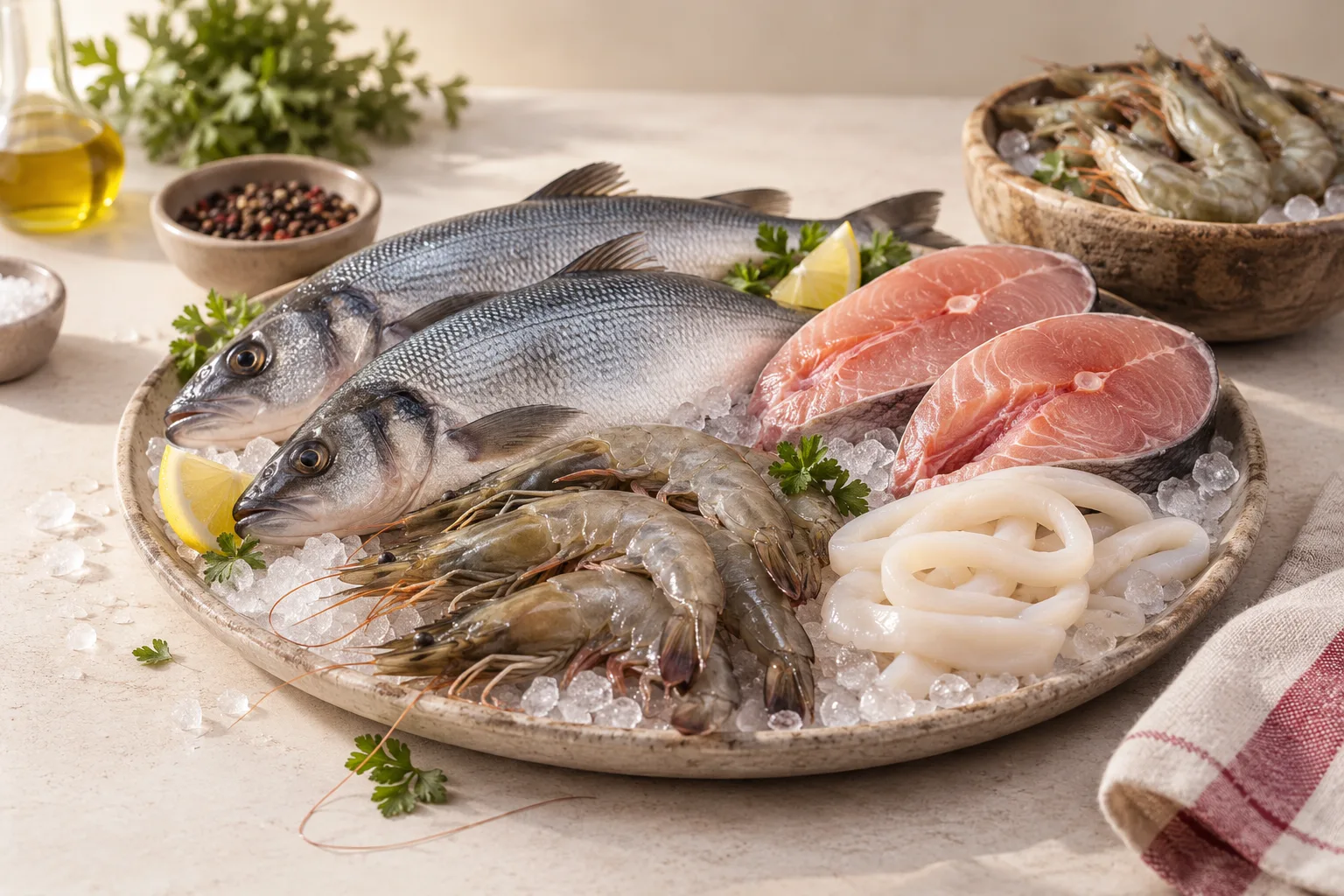
What digital marketing means
Digital marketing is the combined work of search, social media, advertising and website channels running together rather than as separate projects with separate people. GullySales runs these as one connected system so a change in one channel, such as a new offer, is reflected everywhere at once.
Last updated 18 Oct 2026.
For fish farms
Where it usually goes wrong, and what we would do.
“The farm does not need every channel”
A farm that harvests a few times a year gains little from posting constantly. A Google profile, a WhatsApp list and a clear page cover the buyers who matter.
“Spend follows the sale, not the other way round”
Money on advertising makes sense when stock is ready and a buyer type is clear. Before that, a better use is the buyer book and the harvest notice.
“One message must match across places”
If Google, WhatsApp and a printed card each give a different phone number or species list, a buyer loses trust. A single set of farm facts, copied everywhere, avoids this.
“Online reach still ends at the pond”
A buyer found through a search will still want to see the fish or taste a trial lot. Digital work opens the door; the quality at harvest decides whether they return.
What we do
What we deliver for fish farms.
Every deliverable, what it covers for you, and the result it is there to produce. Nothing here is an extra.
A channel choice
A short note on which channels suit your farm and which to skip for now, with reasons.
Result: A page stating where the farm will and will not be present.
A farm fact sheet
The farm name, species, sizes, delivery area and contact, written once and reused everywhere.
Result: One sheet every listing is copied from.
A Google and WhatsApp set-up
A Business Profile and a farm WhatsApp number with the same details.
Result: Two listings that match.
A small paid test plan
If stock and a buyer type justify it, a modest test aimed at one town and one fish, with the result recorded.
Result: A note of what was spent and what enquiries came.
A reading of the results
A look at which source brought each enquiry, so that you keep what works.
Result: A table of enquiries by source.
How the result is measured
- Enquiries across channels
- Cost per enquiry overall
- Channel mix by contribution
Recorded as a baseline before work starts, so every later report has an honest comparison.
Searches your buyers type
The online routes that reach buyers beyond the pond bank.
- fish farm in my district
- A map profile and a one-page site stating species, towns supplied and a trade number. These two are the places a hotel or trader looks first after hearing the farm's name.
- buy rohu catla in bulk
- A species and bulk-order page with the lift arrangement and the way to request a trial lot. It answers the search of a trader looking for a second supplier.
- fish supplier for hotel kitchen
- A page and a saved reply for hotels, covering size grading, packing and the payment terms the farm offers. It is read by a purchase manager, so keep it plain.
- pay and catch pond visit
- A visit post and a map note with open days and the farm's rules at the water. It brings households who want fish for the day, not trade buyers.
- fish farm harvest notice
- A broadcast to the consented trader list before each harvest window. It is the cheapest channel the farm has, and it needs only a phone.
Who it is for
This is written for these fish farms.
- Freshwater pond farms growing rohu, catla and mrigal
- Pangasius and tilapia farms selling to processors and wholesalers
- Cage culture units in reservoirs and large water bodies
- Farms growing murrel, magur and other air-breathing fish
- Fish farmers' groups and societies selling together
- Farms with a pay-and-catch pond or a farm-visit weekend
- Integrated farms with a fish pond beside paddy, poultry or dairy
- Farms that supply table-size fish to hotels and caterers
Not for
It is not the right fit if.
- The farm has no spare fish to sell, because the harvest is already committed, and new reach would only bring enquiries to refuse
- No one can reply to an online enquiry the same day, and a trader will not wait for a farm that answers late
- You expect paid ads to replace the agent at once, when the first need is a list of buyers who know the farm
How it works
How the digital marketing work runs
The work itself, in order. How an engagement starts, from your brief to a written scope, is set out on our method page.
- 1
Agree the one aim
We settle what the campaign must achieve, such as enquiries for a launch or footfall for an event, and the date it must be live.
- 2
Check what is ready
We list the channels you already run, who runs them, and what each can produce in the time available. Anything that cannot be done properly is left out.
- 3
Write the idea and the message sheet
We draft the one-sentence idea, test it against each planned format, and fix the wording that all channels will copy.
- 4
Brief every channel from the same sheet
Your agency, freelancer or in-house person receives the message sheet and calendar. Their work is checked against the sheet before it goes out.
- 5
Run on the shared calendar
Channels go live together. If the offer changes, every channel is changed on the same day from the same sheet.
- 6
Measure as one campaign
Enquiries and orders are read against the baseline. The reporting schedule is agreed in writing with the scope.
Where this fits
Three pieces of sales work, in this order.
This work sits inside sales process design, at stage 0, foundation. The audit comes before it, and sales management keeps it running.
Step 1
Sales audit
Find where deals are being lost and what to fix first.
Start here if you cannot say where orders are lost.
Step 2 · you are here
Sales process design
One written way to sell, from first enquiry to repeat order.
Start here if every salesperson sells differently.
Step 3
Sales management
A target, a review routine and someone who owns the number.
Start here if the team has targets and no routine.
FAQ
Questions owners ask before they call.
Not here? More answers, or ask on WhatsApp.
How much should a fish farm spend on digital marketing?
Will this reduce our dependence on the agent?
What is the first online step for a farm that sells only to an agent?
Will online marketing reduce our dependence on the agent?
How long is the contract?
How soon will we see results?
Who will actually do the work?
What do you need from us?
What if we are not happy with the work?
More for fish farms
Everything else we would do for you.
Closest to this: strategy and research
Also for fish farms
Or start from the overview: sales and marketing for fish farms.
Your next practical step
Tell us what you are trying to grow, and we will read it before we call.
Eight short steps, mostly taps. Skip anything you would rather answer on the call.