Pet service businesses · Customer retention
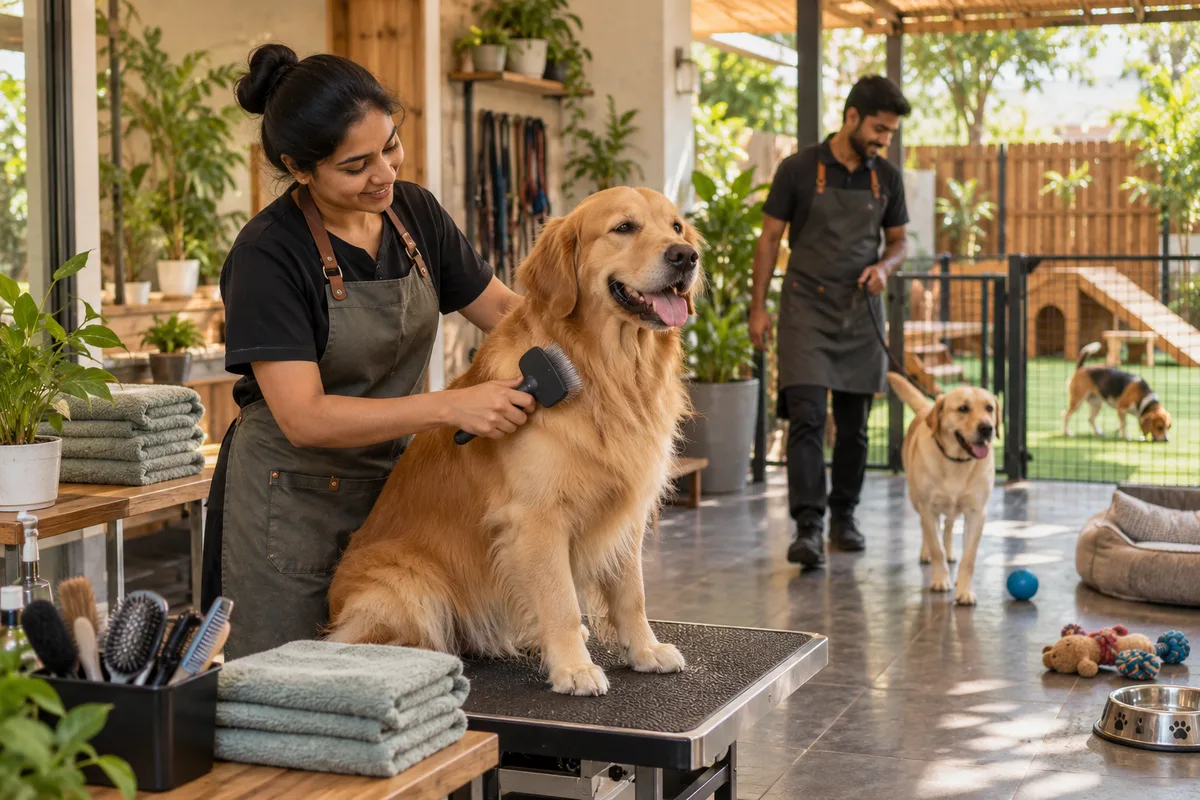
A dog groomed every few weeks for eight years is the whole business model.
Retention for a pet business is the dog who comes back on its cycle and the family who boards with you every trip. Frequency is high and each visit is small, which is exactly where a loyalty scheme earns its keep. GullySales sets up the reminders, the prepaid packages and the check on pets who have stopped coming.
Scope, fee, reporting and term are agreed in writing after we have read your brief and spoken to you.
What customer retention means
Customer retention is keeping an existing customer buying again rather than losing them to a competitor after the first purchase, usually cheaper than winning a new customer. GullySales sets a routine of check-ins and renewal reminders aimed at customers before they show signs of leaving.
Also for pet service businesses
- Referral marketing for pet service businesses
- Answer engine optimisation for pet service businesses
- Branding and identity for pet service businesses
- Content marketing for pet service businesses
- Digital marketing for pet service businesses
- Email marketing for pet service businesses
- Google Business Profile for pet service businesses
- Influencer marketing for pet service businesses
Sales and marketing for pet service businesses, the overview.
Last updated 5 Oct 2026.
For pet service businesses
Where it usually goes wrong, and what we would do.
“A loyalty scheme genuinely works in this trade”
Unlike most businesses, you see the same dog many times a year for a modest amount. A prepaid pack of grooms, or a free bath after a set number, fits that pattern and gets used.
“Two missed cycles means the dog is going somewhere else”
Pet parents rarely announce that they have switched. The dog simply stops appearing. Measured against the dog's own grooming cycle rather than a calendar, the switch shows up early enough to ring.
“The pet ages, and your offer should age with the pet”
A puppy customer needs training, a middle-aged dog needs regular grooming and boarding, an old dog needs gentler handling and shorter sessions. Following the dog's life keeps the family for a decade.
What we do
What we deliver for pet service businesses.
Every deliverable, what it covers for you, and the result it is there to produce. Nothing here is an extra.
Reminders timed to each pet's own cycle
Due dates worked out per pet from coat type and past visits, with the message naming the dog and the service.
Result: Repeat visits stop depending on the parent remembering.
A prepaid package that suits the frequency
A pack of grooms or boarding days bought in advance, priced so it is worth taking and simple enough to explain at the counter.
Result: The next visits are committed before the dog leaves.
A lapsed pet list worked through
Pets past two of their own cycles pulled into a list, with a call asking after the dog rather than pitching a service.
Result: You find out why a regular stopped coming.
Boarding regulars contacted before the holiday rush
Families who boarded with you last festival season approached before the dates fill, with their usual run held.
Result: Your best customers are not squeezed out by new enquiries.
Repeat rate reported against the baseline
Repeat grooming and boarding visits reported against the baseline recorded before work started, separately from new enquiries.
Result: You can see whether the regulars are actually staying.
How the result is measured
- Retention rate
- Repeat purchase rate
- Customers won back
Recorded as a baseline before work starts, so every later report has an honest comparison.
Work it out from your records
The visit gaps a pet business can read from its appointment book and boarding register.
- Visits per pet in the last year
- From the grooming book, count visits for each pet. A dog who came on a regular cycle and then stopped stands out. Sort by last visit date and the quiet ones rise to the top.
- Gap between visits, by breed or coat
- Note the usual gap for each coat type, since a short-coated dog and a heavy-coated one need different intervals. A pet that is well past its own gap, not a general one, gets the reminder.
- Boarding regulars before the holidays
- List families who boarded with you on past festival weekends and long holidays. Note the dates. Ring them before their trip is booked elsewhere, and check vaccination records at the same call.
- Pets seen once and never again
- Filter for pets with a single visit on file. Check whether it was a voucher, a trial groom or a puppy bath. Ask the owner how it went, since a single visit may be a complaint nobody voiced.
- Prepaid packages used or expired
- For every package sold, count the sessions used and the date it ends. Unused sessions near expiry are an opportunity to book, and expired ones are a sign the customer lost the habit.
Who it is for
This is written for these pet service businesses.
- Dog grooming salons
- Pet boarding and daycare centres
- Pet training academies
- Mobile grooming services
- Veterinary clinics offering allied services
- Pet taxi and transport services
- Multi-service pet care centres
- Cattery and exotic pet boarding
Not for
It is not the right fit if.
- You have no record of when each pet was last groomed, so a retention message cannot be timed.
- You are still winning your first regular customers, and retention work needs a base of repeat visits to build on.
How it works
How the customer retention work runs
The work itself, in order. How an engagement starts, from your brief to a written scope, is set out on our method page.
- 1
Read the records
Your sales and billing records are read for repeat purchase, the normal gap between orders and the customers who have gone quiet. The record-keeping gaps found here are listed.
- 2
Ask why they stopped
A small set of lapsed and current customers is called with your team's consent, and asked plainly what changed. The reasons are sorted into price, service, competitor and circumstance.
- 3
Build the strategy
The written plan sets priority groups, touchpoints, offers, owners, consent rules and a target.
- 4
Align existing tactics
Each retention activity you already run is mapped against the plan, then kept, changed or dropped.
- 5
Start with one group
The plan goes live for the most valuable at-risk group first, with a held-back comparison group, before it widens.
- 6
Review against the baseline
Retention is compared with the baseline recorded before work began. How often you are reported to is agreed in writing.
Where this fits
Three pieces of sales work, in this order.
This work sits inside sales process design, at stage 7, after the sale. The audit comes before it, and sales management keeps it running.
Step 1
Sales audit
Find where deals are being lost and what to fix first.
Start here if you cannot say where orders are lost.
Step 2 · you are here
Sales process design
One written way to sell, from first enquiry to repeat order.
Start here if every salesperson sells differently.
Step 3
Sales management
A target, a review routine and someone who owns the number.
Start here if the team has targets and no routine.
FAQ
Questions owners ask before they call.
Not here? More answers, or ask on WhatsApp.
Is a loyalty card worth it for a grooming salon?
A regular customer has stopped coming. Should we call?
When is a pet customer lapsed, and who should call?
How do we keep the record if a groomer leaves and takes clients along?
How much does it cost?
How long is the contract?
How soon will we see results?
Who will actually do the work?
What do you need from us?
From the blog
Further reading for pet service businesses.
 6 min read · 26 Aug 2026Pet grooming marketing: how to get grooming and boarding customersPet grooming marketing works on Maps, reviews, before and after photographs and fast replies. Boarding is won on trust. Here is how to fill both, and what a plan should cover.
 8 min read · 19 Aug 2026The pet parent journey: from the first search to regular visitsThe pet parent journey runs from the first anxious search to years of repeat visits. Here are the stages, and where Indian clinics lose owners.
 6 min read · 20 Jul 2026Seasonal and event-linked demand: planning for peaks and quiet monthsHow a specialist trade with busy and slow months can read its own year from past bookings, then time outreach and capacity ahead of each peak instead of after it.
More for pet service businesses
Everything else we would do for you.
Closest to this: customers after the sale
Also for pet service businesses
Or start from the overview: sales and marketing for pet service businesses.
Your next practical step
Tell us what you are trying to grow, and we will read it before we call.
Eight short steps, mostly taps. Skip anything you would rather answer on the call.