Waste management and recycling companies · Referral marketing
Let a satisfied society introduce you to the one next door.
Referral marketing for a waste company means making it easy for happy societies, hotels and facility managers to introduce you to similar sites. GullySales sets up the ask, the thank-you and the record of who introduced whom.
Scope, fee, reporting and term are agreed in writing after we have read your brief and spoken to you.
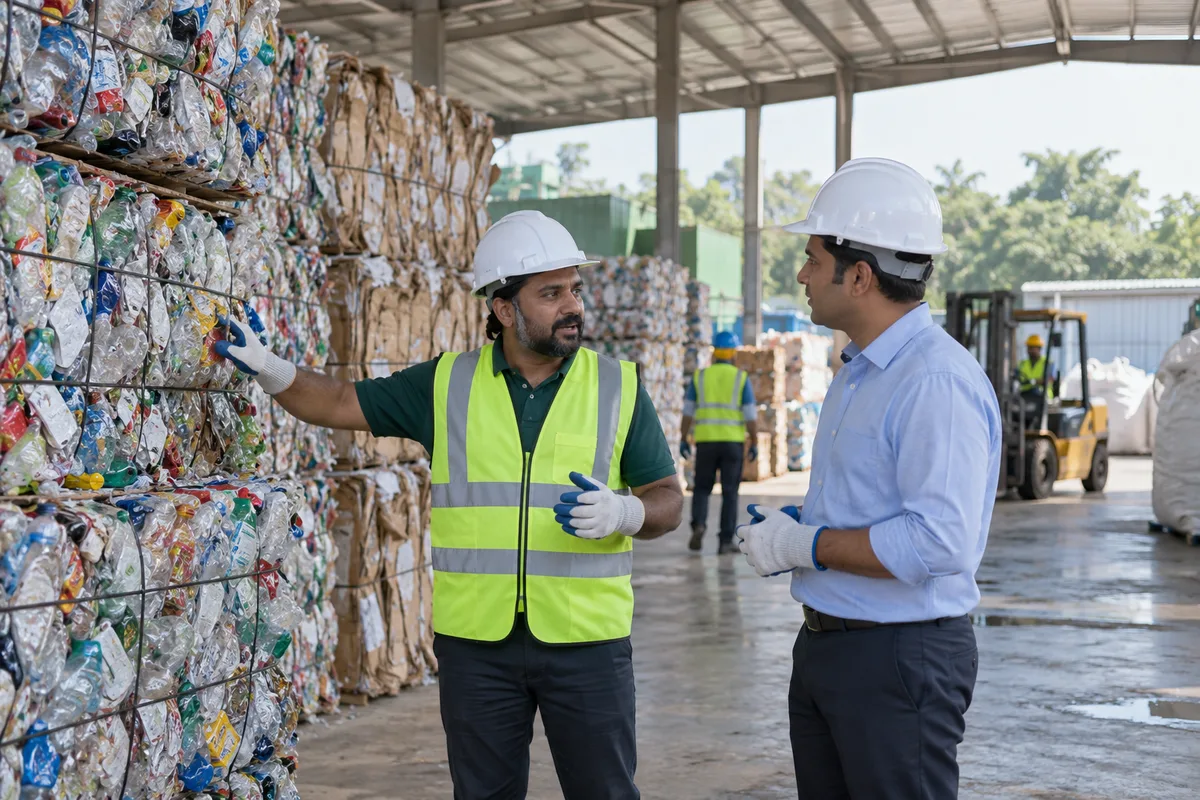
What referral marketing means
Referral marketing is asking an existing customer to recommend you to someone they know, usually with a reward for both sides. It differs from a loyalty scheme because it brings in a new customer rather than a repeat purchase. GullySales builds the ask and the reward into a point where a customer is already satisfied.
Also for waste management and recycling companies
- customer retention for waste management and recycling companies
- SEO for waste management and recycling companies
- local SEO for waste management and recycling companies
- lead generation for waste management and recycling companies
- WhatsApp marketing for waste management and recycling companies
- CRM for waste management and recycling companies
- a sales process for waste management and recycling companies
- website development for waste management and recycling companies
Sales and marketing for waste management and recycling companies, the overview.
Last updated 11 Oct 2026.
For waste management and recycling companies
Where it usually goes wrong, and what we would do.
“A satisfied client is never asked”
A society is delighted for two years, and nobody has said that a neighbouring complex could use the same service.
“Referral rewards turn into discounts”
A cut price for an introduction lowers your rate across the area, as neighbouring societies compare their bills.
“Referrals come from places you do not track”
A facility manager moves to a new company and brings you along, and no one notices the pattern.
What we do
What we deliver for waste management and recycling companies.
Every deliverable, what it covers for you, and the result it is there to produce. Nothing here is an extra.
A referral note for committees
A short message the secretary can forward to neighbouring societies, with your service areas and how to ask for a proposal.
Result: Introducing you takes one forward.
A visit to the neighbouring site
A routine to offer a short visit and a proposal to the site that a client suggests, with the client's permission.
Result: A recommendation becomes a conversation.
A thank-you that fits the trade
A note, a segregation talk for the society or a collection day for old electronics, rather than cash.
Result: A referrer is thanked in a way the community values.
Facility manager and consultant relationships
A routine to keep in touch with facility managers, housekeeping contractors and sustainability consultants who advise many sites.
Result: People who influence many sites know your work.
A source field in your record
A column that notes who introduced each site and when, with the first-year value.
Result: You see which clients bring more clients.
Reporting on referred sites
The number of sites from referrals, renewals and complaints, set against the baseline.
Result: You see whether referral is worth more effort.
How the result is measured
- Referrals received
- Referral conversion rate
- Cost per referred customer
Recorded as a baseline before work starts, so every later report has an honest comparison.
How referrals work here
Where waste contract referrals come from, and how to make each one easy and fair.
- Satisfied society committees
- Ask the secretary after a smooth season whether a neighbouring complex might want an introduction, and give the secretary a short note to forward.
- Facility managers and housekeeping contractors
- They look after several sites and move between them. Keep them informed, give them clean records and let them know what you offer for hotels and offices.
- Hotel and restaurant associations
- A talk at an association meeting on food waste reaches many kitchens at once. Record who attends and call those who ask for a proposal.
- Industrial estate and association contacts
- A factory association or an estate office knows who needs a vendor. Offer a short capability note and ask for introductions, not endorsements.
- Staff and supervisors
- Your supervisors see problems at neighbouring sites. Give them a simple way to pass a lead on, and thank them when a lead becomes a contract.
- What never to do
- Do not pay cash for introductions to people who manage another company's contracts, mislead a client about a rival, or approach a site without the referrer's permission.
Who it is for
This is written for these waste management and recycling companies.
- Wet waste collection and composting companies
- Dry waste and plastic recyclers
- Scrap dealers and organised kabadiwala networks
- E-waste collectors and recyclers
- Construction and demolition waste handlers
- Industrial and factory waste managers
- Paper, cardboard and packaging waste recyclers
- Battery, tyre and used oil collectors
- Society and apartment waste management vendors
Not for
It is not the right fit if.
- Your service has unresolved complaints at the very sites you would ask for a referral, so a request would invite the story you want to avoid.
- You cannot add a new society to your route yet, and a referral would be a lead you must turn down.
How it works
How the referral marketing work runs
The work itself, in order. How an engagement starts, from your brief to a written scope, is set out on our method page.
- 1
Read the margin and the relationship
We work out what a new customer is worth and what you can pay to get one, then check whether customers know others like themselves.
- 2
Find the referrals you already get
Your invoices, call notes and WhatsApp threads show who already sends people to you, and who they are. That sets the starting point and the first people to ask.
- 3
Write the offer and the rules
The reward, the definition of a valid referral and the payout steps are agreed in writing before anything is shown to customers.
- 4
Build the share path and the record
The message, the link or code and the referral sheet are built. Your team tests a referral end to end, from forward to reward.
- 5
Start with your best customers, then widen
The first asks go to people who have already praised you. What they say about the offer decides what changes before it reaches the wider base.
Where this fits
Three pieces of sales work, in this order.
This work sits inside sales process design, at stage 7, after the sale. The audit comes before it, and sales management keeps it running.
Step 1
Sales audit
Find where deals are being lost and what to fix first.
Start here if you cannot say where orders are lost.
Step 2 · you are here
Sales process design
One written way to sell, from first enquiry to repeat order.
Start here if every salesperson sells differently.
Step 3
Sales management
A target, a review routine and someone who owns the number.
Start here if the team has targets and no routine.
FAQ
Questions owners ask before they call.
Not here? More answers, or ask on WhatsApp.
Should we reward a society for referring another one?
How do we track who sent whom?
Can we ask a facility manager to recommend us?
How often can we ask a client for a referral?
How much does it cost?
How long is the contract?
How soon will we see results?
Who will actually do the work?
What do you need from us?
What if we are not happy with the work?
More for waste management and recycling companies
Everything else we would do for you.
Closest to this: customers after the sale
Also for waste management and recycling companies
- SEO for waste management and recycling companies
- local SEO for waste management and recycling companies
- lead generation for waste management and recycling companies
- WhatsApp marketing for waste management and recycling companies
- CRM for waste management and recycling companies
- a sales process for waste management and recycling companies
Or start from the overview: sales and marketing for waste management and recycling companies.
Your next practical step
Tell us what you are trying to grow, and we will read it before we call.
Eight short steps, mostly taps. Skip anything you would rather answer on the call.