Waste management and recycling companies · Search engine optimisation
Be found by the secretary and the facility manager who need a vendor now.
SEO for a waste management company means a society secretary or a hotel manager searching for a waste vendor lands on a page that matches their waste type and area. GullySales builds a page for each waste stream and each service area, with the documents a buyer asks for.
Scope, fee, reporting and term are agreed in writing after we have read your brief and spoken to you.
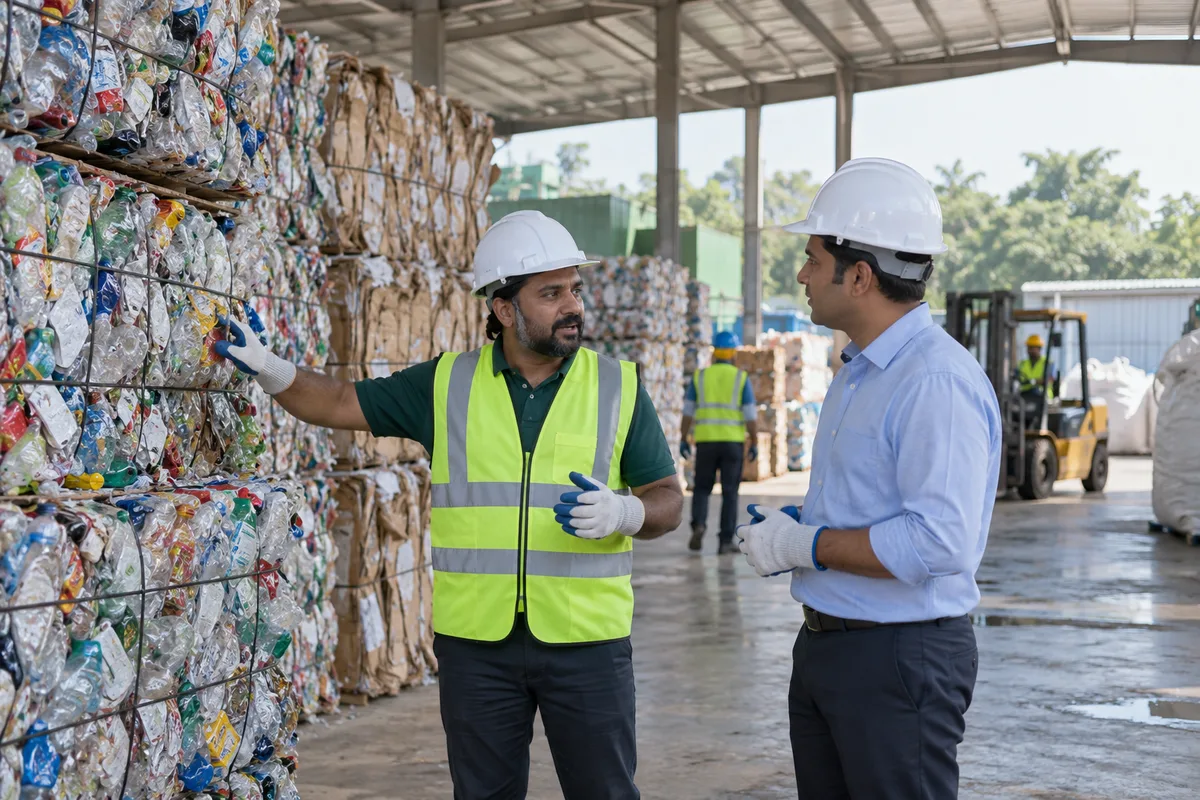
What search engine optimisation means
Search engine optimisation (SEO) is the work of getting your website to appear when a buyer searches Google for what you sell. GullySales builds pages around real search terms, fixes technical issues that block ranking, and tracks which searches actually bring enquiries.
Also for waste management and recycling companies
- local SEO for waste management and recycling companies
- website development for waste management and recycling companies
- lead generation for waste management and recycling companies
- WhatsApp marketing for waste management and recycling companies
- CRM for waste management and recycling companies
- a sales process for waste management and recycling companies
- referral marketing for waste management and recycling companies
- reputation management for waste management and recycling companies
Sales and marketing for waste management and recycling companies, the overview.
Last updated 11 Oct 2026.
For waste management and recycling companies
Where it usually goes wrong, and what we would do.
“One page for every kind of waste”
A single services page cannot answer wet waste for apartments, e-waste for offices and scrap for factories, so none of those searches reach you.
“Aggregators and municipal sites outrank the vendor”
A search for waste collection near me shows directories and civic pages, and a small company with no page of its own is invisible.
“The page does not explain the chain”
A buyer reads that you collect waste but cannot find where it goes or what records they get.
What we do
What we deliver for waste management and recycling companies.
Every deliverable, what it covers for you, and the result it is there to produce. Nothing here is an extra.
A page for each waste stream
Wet waste, dry waste, e-waste, construction debris, industrial scrap and food waste each get their own page, with what is collected and what is not.
Result: A buyer finds the page for their waste.
A page for each service zone
Pages for the localities, estates and cities you serve, with collection days, vehicle types and how a pickup is requested.
Result: A society sees that you serve its area.
A where-the-waste-goes page
A plain description of segregation, transport, processing or recycling, with photographs and the records you can share.
Result: The most common doubt is answered on the page.
A buyer page for committees and facility teams
What a society committee or a facility manager should ask a vendor, and what you will put in writing.
Result: A committee arrives at the call prepared.
A page for corporate recycling programmes
E-waste drives, paper and plastic recycling for offices, with the records an office needs for its own reports.
Result: A sustainability team can see the offer.
Reporting by waste page and zone
Visits, enquiries and proposal requests per page, set against the baseline recorded before work starts.
Result: You know which pages bring contracts.
How the result is measured
- Ranking positions
- Organic traffic
- Enquiries from organic search
Recorded as a baseline before work starts, so every later report has an honest comparison.
Searches your buyers type
What a society secretary, a facility manager or a plant head types, and the page that answers it.
- wet waste collection for apartments in [area]
- An area page for societies. Show collection days, the bins and bags you supply, the segregation support for residents and how a committee asks for a proposal.
- composting service for hotels and restaurants
- A food waste page. Explain collection timing around kitchen hours, how the waste is handled and what record the kitchen receives.
- e-waste recycling for offices
- A corporate page. State what you accept, how a collection is booked, what documents you provide, and say that rules differ by state and change.
- construction and demolition waste removal
- A debris page. State the vehicles, the areas, how a builder books a pickup and what the waste is used for after collection.
- industrial scrap buyer near me
- A factory page. Say which scrap you buy or collect, how it is weighed, how payment and paperwork work, and who the plant manager calls.
- how to choose a waste management company for a society
- A guide for committees. List what to check: pickups, segregation help, records, complaints routine and references. A buyer who reads it trusts the vendor who wrote it.
Who it is for
This is written for these waste management and recycling companies.
- Wet waste collection and composting companies
- Dry waste and plastic recyclers
- Scrap dealers and organised kabadiwala networks
- E-waste collectors and recyclers
- Construction and demolition waste handlers
- Industrial and factory waste managers
- Paper, cardboard and packaging waste recyclers
- Battery, tyre and used oil collectors
- Society and apartment waste management vendors
Not for
It is not the right fit if.
- You collect from only a few streets and no one can serve a new locality, so search visits would bring requests you must decline.
- Your service description and pickup details are not settled, and a search page built on them would be rewritten again.
How it works
How the search engine optimisation work runs
The work itself, in order. How an engagement starts, from your brief to a written scope, is set out on our method page.
- 1
Audit and baseline
We record where the site stands today: positions, traffic, technical faults and the enquiries search currently produces. Nothing starts until this number is written down.
- 2
Decide what to rank for
We map the searches your buyers use, in your words and theirs, and pick the ones worth the effort for your margin and your capacity.
- 3
Fix the foundations
Technical faults first, because the cheapest gains are there. Then the Business Profile and directory consistency.
- 4
Build the pages
A page for each thing you do, written to answer the question it is searched for, with a clear next step at the end.
- 5
Publish and earn mentions
Content goes out on the calendar. Links and mentions are earned from real relationships, not bought.
- 6
Measure, report, adjust
At an interval agreed in writing we report what moved and what did not, and change the plan when the numbers say so.
Where this fits
Three pieces of sales work, in this order.
This work sits inside sales process design, at stage 1, prospecting and lead generation. The audit comes before it, and sales management keeps it running.
Step 1
Sales audit
Find where deals are being lost and what to fix first.
Start here if you cannot say where orders are lost.
Step 2 · you are here
Sales process design
One written way to sell, from first enquiry to repeat order.
Start here if every salesperson sells differently.
Step 3
Sales management
A target, a review routine and someone who owns the number.
Start here if the team has targets and no routine.
FAQ
Questions owners ask before they call.
Not here? More answers, or ask on WhatsApp.
Do we need a page for every locality we serve?
Should we publish photographs of our plant and vehicles?
Can we mention awards or certificates on the page?
Is a blog useful for a waste company?
How much does it cost?
How long is the contract?
How soon will we see results?
Who will actually do the work?
What do you need from us?
What if we are not happy with the work?
More for waste management and recycling companies
Everything else we would do for you.
Closest to this: search and visibility
Also for waste management and recycling companies
- lead generation for waste management and recycling companies
- WhatsApp marketing for waste management and recycling companies
- CRM for waste management and recycling companies
- a sales process for waste management and recycling companies
- referral marketing for waste management and recycling companies
- reputation management for waste management and recycling companies
Or start from the overview: sales and marketing for waste management and recycling companies.
Your next practical step
Tell us what you are trying to grow, and we will read it before we call.
Eight short steps, mostly taps. Skip anything you would rather answer on the call.