Waste management and recycling companies · Reputation management
Turn a missed pickup into a reply that keeps the contract.
Reputation management for a waste company is the habit of answering every complaint in public, fixing the cause inside the operation and asking the clients who are happy to say so. GullySales sets up the routine and reads what the reviews say about your pickups and your supervisors.
Scope, fee, reporting and term are agreed in writing after we have read your brief and spoken to you.
What reputation management means
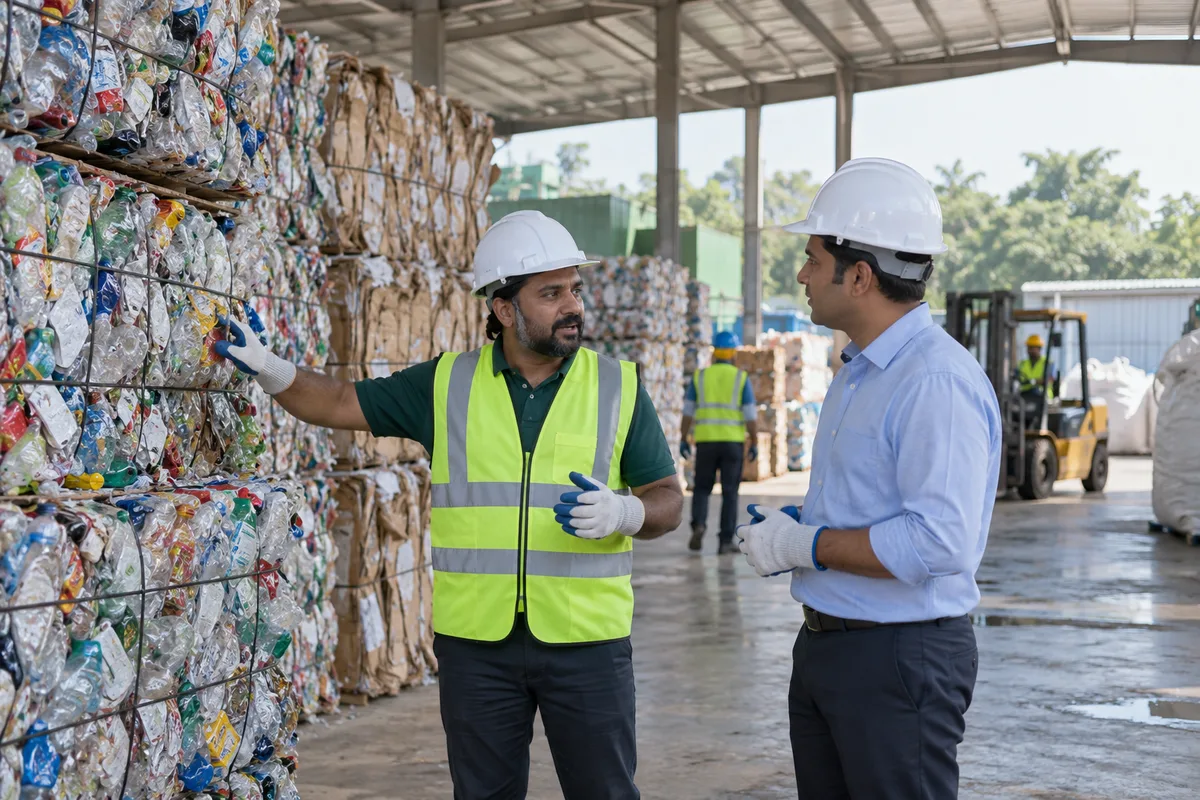
Reputation management is watching what is said about your business across Google, social media and review sites, and responding to it before it changes a buyer's mind. GullySales monitors mentions, drafts responses to negative reviews and flags recurring complaints back to your team.
Also for waste management and recycling companies
- SEO for waste management and recycling companies
- local SEO for waste management and recycling companies
- lead generation for waste management and recycling companies
- WhatsApp marketing for waste management and recycling companies
- CRM for waste management and recycling companies
- a sales process for waste management and recycling companies
- referral marketing for waste management and recycling companies
- website development for waste management and recycling companies
Sales and marketing for waste management and recycling companies, the overview.
Last updated 11 Oct 2026.
For waste management and recycling companies
Where it usually goes wrong, and what we would do.
“The residents' group is the real review site”
A complaint posted in an apartment WhatsApp group travels faster than any Google review and often ends the contract.
“Reviews only come after a failure”
A society that gets smooth service never writes, so the public record is made of the days things went wrong.
“Nobody replies to a complaint”
A review about a missed pickup sits for months without an answer, and the next committee reads it as indifference.
What we do
What we deliver for waste management and recycling companies.
Every deliverable, what it covers for you, and the result it is there to produce. Nothing here is an extra.
A review request after a good period
A polite request to the committee contact or facility manager after a smooth stretch, with a direct link, never a reward.
Result: Reviews come from clients who are satisfied.
A reply for every review
A short, calm reply for each review, with a different note for praise, a missed pickup and a complaint about staff behaviour.
Result: Every reader sees a company that answers.
A complaint log by cause
A sheet of what went wrong: missed pickup, spillage, vehicle noise, staff conduct or billing, and who fixed it.
Result: Repeat causes are found and fixed.
A direct line for committee members
A named contact and a number for each society, so a problem reaches you before it reaches the group.
Result: Complaints arrive at the company first.
Monitoring across platforms
Google, JustDial and the social pages watched in one place, so nothing about the company goes unseen.
Result: No review is missed.
Reporting on rating and causes
Rating, count and the reasons behind low scores, set against the baseline at the start.
Result: You see whether operations are improving.
How the result is measured
- Average rating
- Response time to reviews
- Negative mentions resolved
Recorded as a baseline before work starts, so every later report has an honest comparison.
What to do with each review
The kinds of review a waste company gets, how to reply in public, and what to fix inside.
- A missed or late pickup
- Apologise without excuses, say what changed and give a direct number. Inside, check the route, the vehicle and the standby plan.
- Spillage or mess left at the site
- Reply to say you have looked into it, and visit the site. Inside, review the handling method and give the crew a standard for cleaning up.
- Staff behaviour
- Reply politely without naming the person, and speak to the person privately. Look at whether the crew has clear instructions for dealing with residents.
- Praise from a society or an office
- Thank the reviewer, mention the service in general terms and share it with the crew. Ask whether you may use it in a proposal.
- A review you believe is false or from a competitor
- Reply calmly and flag it to the platform with the reason. Removal is the platform's decision and cannot be promised to anyone.
- Asking and thanking, within the rules
- Ask satisfied clients, never pay or reward for a review, and avoid scripting what they say. Check each platform's current rules on asking.
Who it is for
This is written for these waste management and recycling companies.
- Wet waste collection and composting companies
- Dry waste and plastic recyclers
- Scrap dealers and organised kabadiwala networks
- E-waste collectors and recyclers
- Construction and demolition waste handlers
- Industrial and factory waste managers
- Paper, cardboard and packaging waste recyclers
- Battery, tyre and used oil collectors
- Society and apartment waste management vendors
Not for
It is not the right fit if.
- Missed pickups keep recurring with no cause fixed, so replies to reviews would repeat an apology rather than a repair.
- No one has the authority to promise a remedy to a society, and a reply with no remedy makes the review worse.
How it works
How the reputation management work runs
The work itself, in order. How an engagement starts, from your brief to a written scope, is set out on our method page.
- 1
Search your name as a stranger would
We search the business, its main product names and the owner's name, on a phone and a laptop, and record what appears.
- 2
Catalogue every mention
Reviews, news, listings, social posts and forum threads are sorted into accurate and positive, accurate and negative, and wrong. Each group gets a different action.
- 3
Agree the replies and the owner of each
Replies are drafted and approved by you. Anything involving a refund, a clinical matter, a legal claim or a named employee goes to the right person in your business before anything is posted.
- 4
Fix what you control
Listings, profile details and your own pages are corrected, and pages worth ranking for your name are strengthened with accurate information.
- 5
Monitor and report
The agreed places are checked on the agreed schedule. The name search is repeated and compared with the first record.
Where this fits
Three pieces of sales work, in this order.
This work sits inside sales management. A target, a review routine and someone who owns the number.
Step 1
Sales audit
Find where deals are being lost and what to fix first.
Start here if you cannot say where orders are lost.
Step 2
Sales process design
One written way to sell, from first enquiry to repeat order.
Start here if every salesperson sells differently.
Step 3 · you are here
Sales management
A target, a review routine and someone who owns the number.
Start here if the team has targets and no routine.
FAQ
Questions owners ask before they call.
Not here? More answers, or ask on WhatsApp.
What if a complaint appears in the residents' WhatsApp group and not on Google?
Should we reply in the language of the reviewer?
A review names our driver. What should we do?
Can we offer a discount to clients who leave a good review?
How much does it cost?
How long is the contract?
How soon will we see results?
Who will actually do the work?
What do you need from us?
What if we are not happy with the work?
More for waste management and recycling companies
Everything else we would do for you.
- SEO for waste management and recycling companies
- local SEO for waste management and recycling companies
- lead generation for waste management and recycling companies
- WhatsApp marketing for waste management and recycling companies
- CRM for waste management and recycling companies
- a sales process for waste management and recycling companies
Or start from the overview: sales and marketing for waste management and recycling companies.
Your next practical step
Tell us what you are trying to grow, and we will read it before we call.
Eight short steps, mostly taps. Skip anything you would rather answer on the call.