Industrial park developers · CRM
Give every prospect one record, from the first call to the signed allotment.
A CRM for an industrial park is the shared record of every manufacturer, adviser and banker you speak to, with the plot or shed they asked about and the next step. GullySales works on setting up the record fields, the stages and the habits that keep it current.
Scope, fee, reporting and term are agreed in writing after we have read your brief and spoken to you.
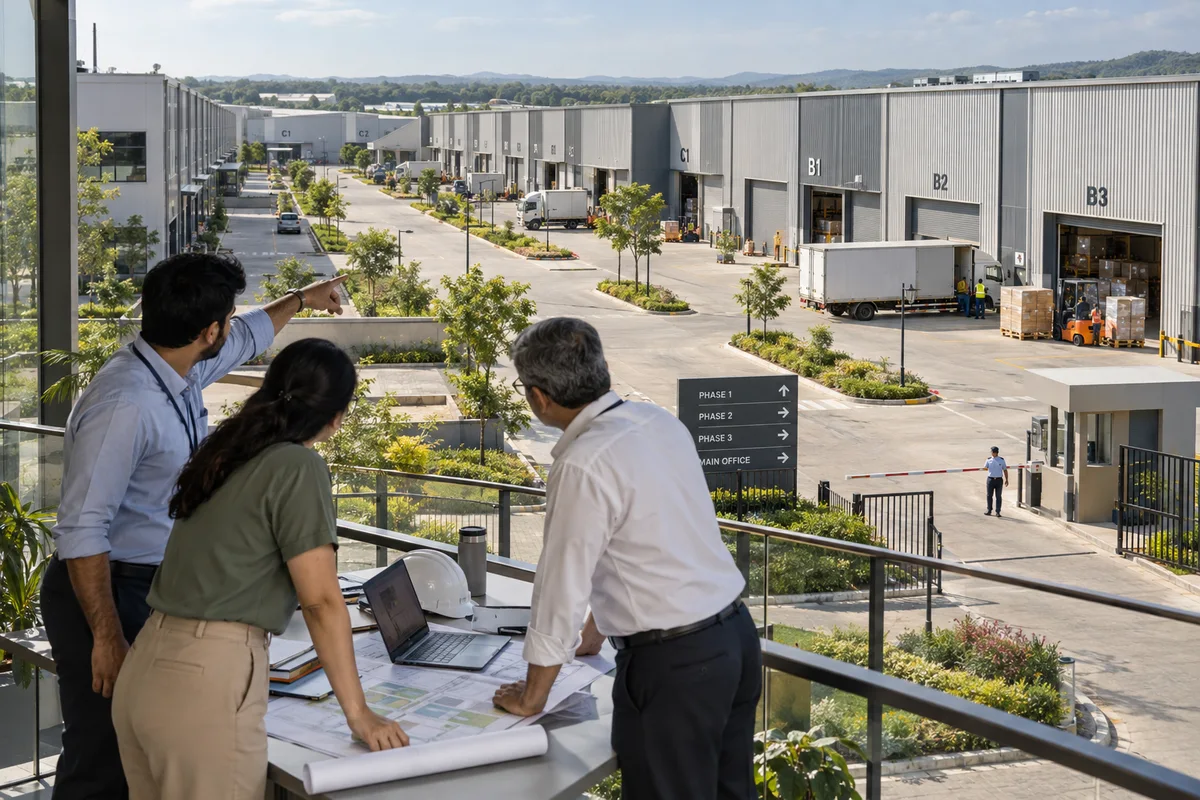
What CRM means
A CRM is the record where every enquiry, call and quote is kept against a customer, replacing separate notebooks, spreadsheets and memory. GullySales sets up or cleans an existing CRM and reports from it by enquiry outcome rather than by activity logged.
Also for industrial park developers
Sales and marketing for industrial park developers, the overview.
Last updated 18 Oct 2026.
For industrial park developers
Where it usually goes wrong, and what we would do.
“Site visits generate notes that live in one head”
After a visit, the plot size, power need and objections sit with whoever escorted the buyer. When that person is on leave or leaves the company, the next call starts from nothing.
“Deals run for a long time and involve several people”
A land purchase involves the owner, a consultant, a banker and sometimes a family partner. A record that holds only one name loses the others, and with them the reason the deal moved or stalled.
“Plots and sheds need different stages”
A shed lease moves through visit, terms and deposit. A land purchase moves through shortlist, visits, price discussion, legal check and allotment. One shared pipeline blurs both.
“Lost enquiries teach what to fix”
A manufacturer who chose the state industrial area or another park had a reason. If the reason is not written down at the time, the park keeps losing for the same cause.
What we do
What we deliver for industrial park developers.
Every deliverable, what it covers for you, and the result it is there to produce. Nothing here is an extra.
Record fields set for the trade
Fields for product, power load, water need, plot or shed size, start date, adviser and source.
Result: Every record carries the facts that decide fit.
Two pipelines, one for plots and one for sheds
Stages written in your terms, with a definition of what moves a prospect from one stage to the next.
Result: A prospect's stage can be read without asking the salesperson.
Linked contacts on a prospect
The owner, plant head, consultant and banker kept on one prospect record with their roles.
Result: A call to any one of them is logged on the same prospect.
A visit note template
A short form completed after each site visit, covering what was shown, what the buyer asked and the agreed next step.
Result: Every visit has a note and a next call date.
A loss-reason list
A fixed list of reasons, such as chose a state area, price, power timeline or approvals, selected when a prospect is closed.
Result: The sales head can see why prospects were lost.
Review sessions for the sales head
A walk through the record with the team so open prospects without a next step are found.
Result: No open prospect is left without an owner.
How the result is measured
- Enquiries logged in the CRM
- Data completeness
- Reports generated from CRM data
Recorded as a baseline before work starts, so every later report has an honest comparison.
Who it is for
This is written for these industrial park developers.
- Auto component and engineering manufacturers
- Food processing and packaging units
- Pharma and chemicals units where the park allows them
- Electronics and electrical assemblers
- Textile and garment units
- Export-oriented manufacturers
- Industrial consultants and project advisers
- Anchor tenants and large single-plot buyers
How it works
How the CRM work runs
The work itself, in order. How an engagement starts, from your brief to a written scope, is set out on our method page.
- 1
Map the sales process
We record how a deal actually moves from enquiry to close in your business today.
- 2
Configure stages and fields
The CRM's pipeline and fields are built to match that process exactly, not a generic template.
- 3
Set up automations
Reminders, assignment rules and follow-up triggers are configured so routine steps happen without manual effort.
- 4
Test with real deals
We run the configuration against actual current deals to catch gaps before the whole team relies on it.
Where this fits
Three pieces of sales work, in this order.
This work sits inside sales management. A target, a review routine and someone who owns the number.
Step 1
Sales audit
Find where deals are being lost and what to fix first.
Start here if you cannot say where orders are lost.
Step 2
Sales process design
One written way to sell, from first enquiry to repeat order.
Start here if every salesperson sells differently.
Step 3 · you are here
Sales management
A target, a review routine and someone who owns the number.
Start here if the team has targets and no routine.
FAQ
Questions owners ask before they call.
Not here? More answers, or ask on WhatsApp.
Which CRM should an industrial park use?
Do we need to enter every call?
Can the CRM show how long a prospect has been waiting?
How much does it cost?
How long is the contract?
Who will actually do the work?
What do you need from us?
What if we are not happy with the work?
More for industrial park developers
Everything else we would do for you.
Closest to this: leads and follow-up
Also for industrial park developers
Or start from the overview: sales and marketing for industrial park developers.
Your next practical step
Tell us what you are trying to grow, and we will read it before we call.
Eight short steps, mostly taps. Skip anything you would rather answer on the call.