Modular and prefabricated building manufacturers · Social media
A time-lapse of a block going up beats any brochure line.
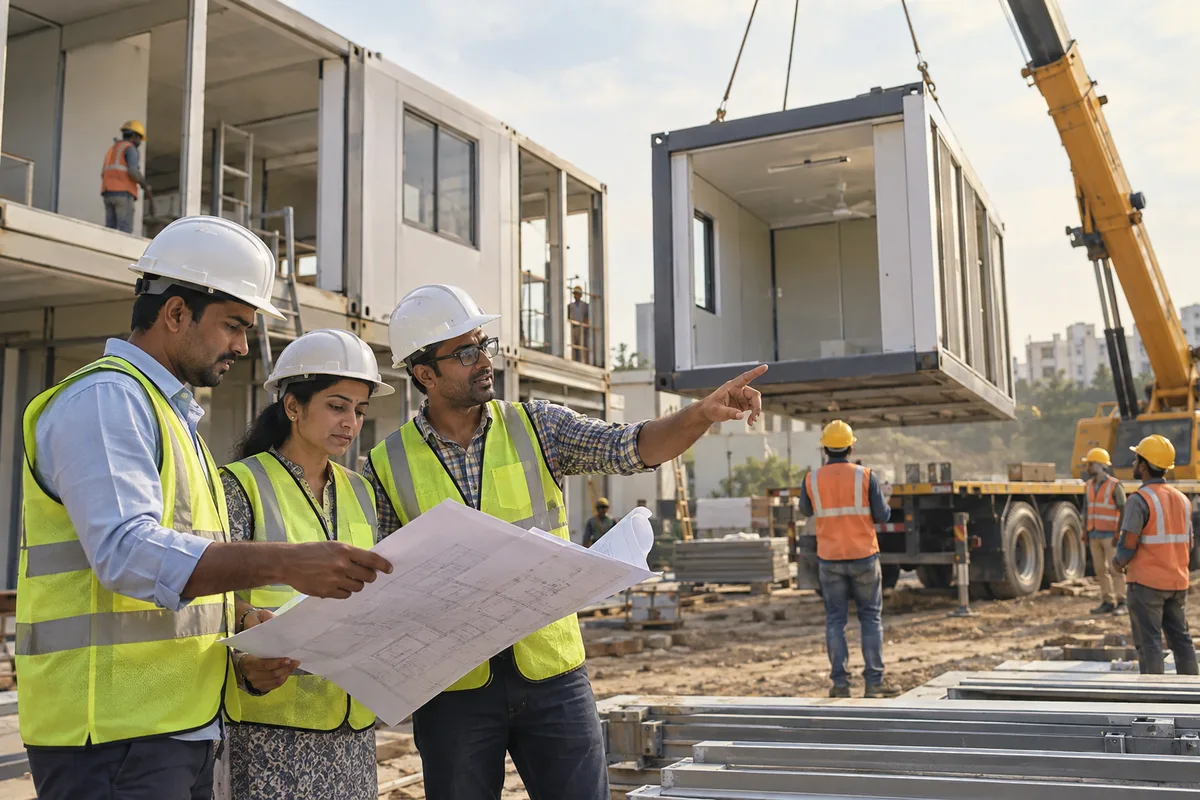
Social media for a prefab manufacturer is video from the yard and the site, put in front of project managers on LinkedIn. GullySales sets the filming routine at dispatch and erection, and the permission rule that protects the next order.
Scope, fee, reporting and term are agreed in writing after we have read your brief and spoken to you.
What social media means
Social media is the ongoing posting your business does on platforms such as Instagram, Facebook and LinkedIn to stay visible to customers and prospects between purchases. GullySales plans a posting calendar, writes captions and designs the images so the page looks active and answers what a visitor would ask.
Also for modular and prefabricated building manufacturers
- Content marketing for modular and prefabricated building manufacturers
- SEO for modular and prefabricated building manufacturers
- PPC ads for modular and prefabricated building manufacturers
- Lead generation for modular and prefabricated building manufacturers
- Digital marketing for modular and prefabricated building manufacturers
- Reputation management for modular and prefabricated building manufacturers
- Local SEO for modular and prefabricated building manufacturers
- Branding and identity for modular and prefabricated building manufacturers
Sales and marketing for modular and prefabricated building manufacturers, the overview.
Last updated 14 Nov 2026.
For modular and prefabricated building manufacturers
Where it usually goes wrong, and what we would do.
“A time-lapse answers the temporary argument”
A block standing by evening, filmed once, does more than any paragraph about speed of construction.
“The manager who buys next year watches other people's sites”
The site engineer is on LinkedIn looking at what got built and how fast, which is exactly where your erection footage belongs.
“A site photograph posted without permission costs the next order”
The contractor never agreed to the project appearing online, and the contractor will remember it when the next award comes.
What we do
What we deliver for modular and prefabricated building manufacturers.
The work available for this need. We agree the deliverables and responsibilities for your engagement in writing.
A filming routine at dispatch and erection
Fixed shots as units are loaded, unloaded and put up, taken on a phone by the supervisor who is there anyway.
Result: Footage arrives without sending a photographer.
A time-lapse standard for erection days
One camera position, one setting and one length, so every project produces a clip that can be used.
Result: Every erection leaves something behind.
A LinkedIn plan aimed at project and purchase roles
Posts about units delivered, specification and capacity, written for the people who raise a purchase order.
Result: The right people watch you working.
A written permission rule for client sites
What may be shown, who asks the contractor, and how the answer is recorded before anything is posted.
Result: Nothing goes up that costs you an account.
A WhatsApp catalogue by unit type
Units with specification, sizes and lead time loaded as a catalogue, because most enquiries here start in a chat.
Result: A buyer can look before ringing.
Enquiries matched to the platform that produced them
Every enquiry tagged to where it came from each month, so whichever platform produces nothing loses its share of the time.
Result: Filming follows where the enquiries come from.
How the result is measured
- Posts published
- Engagement rate
- Enquiries from social profiles
Recorded as a baseline before work starts, so every later report has an honest comparison.
Platform for this buyer
Where project buyers watch prefab work, and what to post for each.
- LinkedIn for project managers and purchase teams
- Post an erected site office with unit size, panel type and site type. Tag the contractor only after their written yes.
- YouTube time-lapse of an erection
- Film a bunkhouse or cold room from first panel to handover. It answers the worry that prefab is temporary or flimsy.
- WhatsApp Business catalogue by unit type
- List portacabins, security cabins, toilet blocks and PUF cold rooms, each with a size and base specification. Buyers forward the link to their purchase team.
- Instagram and Facebook for small buyers
- Post one finished kiosk, security cabin or farm cold room, with size and the town it was delivered to. Shop and farm owners are shown what they can order.
- Google Business Profile posts
- Post the yard address and the cities you deliver to. Buyers asking about transport look for who serves their site.
- What not to post
- Do not post a rate per square foot without a stated specification, since it invites comparison of unlike units. Do not show a client's site or workers without permission.
Who it is for
This is written for these modular and prefabricated building manufacturers.
- Portacabin and site office manufacturers
- Labour accommodation and bunkhouse makers
- PUF panel cold room and ripening chamber builders
- Pre-engineered steel building fabricators
- Container conversion units
- Modular toilet and sanitation block makers
- Security cabin and kiosk makers
- Prefab school, health centre and site canteen builders
- Portacabin rental fleets
- Clean room and modular partition contractors
Before you decide
When this may not be the right fit.
- No one can photograph an erection at site with the client's permission, so posts would have nothing real to show.
- Your buyers are tender cells and purchase officers who do not follow manufacturers online, so a call list would serve you better first.
Before you decide
Agree the work. Know how to judge it.
Social media marketing for modular and prefabricated building manufacturers: use these checks to prepare, choose the scope, and review what changes.
Bring the right evidence
Review the posts that produced useful conversations, not only the ones with the most views. Gather buyer questions and decide which team member can contribute credible material.
Make the scope clear
Choose the audience and channel before setting a posting volume. Agree who supplies material, approves posts, and handles messages, including complaints or questions the agency cannot answer.
Check the work in use
Follow a post through to the profile, website, and response. A useful report explains the quality of conversations and enquiries, alongside reach and engagement.
Know when to change course
If publishing takes time away from unanswered buyer messages, fix the response routine first. Do not expand to another channel without a clear reason for being there.
These are discussion points, not a fixed package. GullySales confirms the deliverables, responsibilities, fee, and term in writing after reading your brief and speaking with you.
Before we start
What to have ready before the work starts.
The records, access and decisions this work needs from modular and prefabricated building manufacturers. Anything missing is noted in the written scope, with who will supply it.
- Erection and dispatch footage already taken
- Past clips on staff phones are useful as a first library, even if the quality is uneven. Share them in a folder with the site name and date. If there are none, the first weeks of content are limited to new filming and the calendar starts lighter.
- Written consent from client sites
- A short email or message from the contractor or end client saying the site may be filmed and shown is enough. Keep it with the order file. Where consent is not given, the clip is used only with the site, name plates and faces hidden, or not at all. A site that refuses is recorded as such in the register, so a later clip from that project is never used by mistake.
- A named person to film on erection days
- Content depends on one person being responsible for taking footage while the crane and crew work. The supervisor can nominate a helper. If nobody is assigned the filming is dropped on busy days, and the plan falls back to photographs from the plant. Where two sites are erected on the same day, the filming person is named for each.
- Admin access to the company LinkedIn page
- To post and read messages we need to be added as an editor on the company page, not given a personal login. The owner holds the super-admin role. Without this we draft posts and your team publishes them, which slows replies to project managers.
- A view on safety and site conduct on camera
- Footage of workers at height without the right gear will be seen by every engineer who watches. The owner and safety lead should agree what may be shown. If no standard exists, we show finished units and the crane lift from a distance and leave out close shots of the crew.
How it works
How the social media work runs
The work itself, in order. How an engagement starts, from your brief to a written scope, is set out on our method page.
- 1
Agree which channels the buyers really use
We ask your sales team where project managers and purchase officers find suppliers: LinkedIn, YouTube, WhatsApp or none of them. You choose no more than two channels. A manufacturer that tries every platform posts thinly everywhere, and the engineers we want to reach are found on only a handful.
- 2
Set a filming routine at dispatch and erection
We agree with the erection supervisor when a phone is taken out: loading, arrival at site, lifting and the finished unit. You decide who films and who uploads the clips to a shared folder. This routine produces the bulk of the content, so it has to fit into a crane day without slowing it.
- 3
Write the permission rule for client sites
Before any clip leaves the shared folder, the client must have agreed to it. We draft a short message the sales engineer sends at order, and a log of replies. You approve the wording. A site photograph posted without consent costs more than a month of posting earns.
- 4
Plan the calendar around unit types and projects
We build a calendar from the clips you collect: a time-lapse of an erection, a cold room built from panels, a bunkhouse handed over. Each post names the unit and the type of project it served. You approve the first set, and the plant head checks the technical captions. Captions give the panel type and the use of the building, so an engineer scrolling can tell what was supplied before opening the clip.
- 5
Move comments and messages into the enquiry book
Replies on LinkedIn and messages on WhatsApp that ask for a rate are copied into the quotation register with their source. We set the first reply wording with your sales head. After posting begins we count enquiries by platform and compare them with the baseline.
- 6
Read what the platforms actually brought
We take the enquiry book and see which posts and channels produced a project manager or a purchase officer, not just likes. You and the sales head decide which clip types to repeat, which to stop, and whether a second platform is worth adding.
Where this fits
Three pieces of sales work, in this order.
This work sits inside sales process design, at stage 0, foundation. The audit comes before it, and sales management keeps it running.
Step 1
Sales audit
Find where deals are being lost and what to fix first.
Start here if you cannot say where orders are lost.
Step 2 · you are here
Sales process design
One written way to sell, from first enquiry to repeat order.
Start here if every salesperson sells differently.
Step 3
Sales management
A target, a review routine and someone who owns the number.
Start here if the team has targets and no routine.
FAQ
Questions owners ask before they call.
Not here? More answers, or ask on WhatsApp.
Is LinkedIn any use for a prefab manufacturer?
Can we post photographs of a client's site?
Should we show site safety in our photographs?
Can we film the yard where other clients' units are being built?
How should we answer a rate request that comes as a comment?
Is it worth paying for LinkedIn advertising?
How much does it cost?
How long is the contract?
How soon will we see results?
Who will actually do the work?
From the blog
Further reading for modular and prefabricated building manufacturers.

More for modular and prefabricated building manufacturers
Related work to consider.
Closest to this: content and social
Also for modular and prefabricated building manufacturers
- SEO for modular and prefabricated building manufacturers
- PPC ads for modular and prefabricated building manufacturers
- Lead generation for modular and prefabricated building manufacturers
- Digital marketing for modular and prefabricated building manufacturers
- Reputation management for modular and prefabricated building manufacturers
- Local SEO for modular and prefabricated building manufacturers
Or start from the overview: sales and marketing for modular and prefabricated building manufacturers.
Your next practical step
Tell us what you are trying to grow, and we will read it before we call.
Eight short steps, mostly taps. Skip anything you would rather answer on the call.