Artificial jewellery stores · WhatsApp marketing
Turn the WhatsApp photo request into a sale and a buyer who returns.
WhatsApp marketing for an artificial jewellery store is the use of catalogues, quick replies and broadcasts to answer buyers and tell them about new sets. GullySales sets up a clear WhatsApp Business routine and checks it against the platform's current rules.
Scope, fee, reporting and term are agreed in writing after we have read your brief and spoken to you.
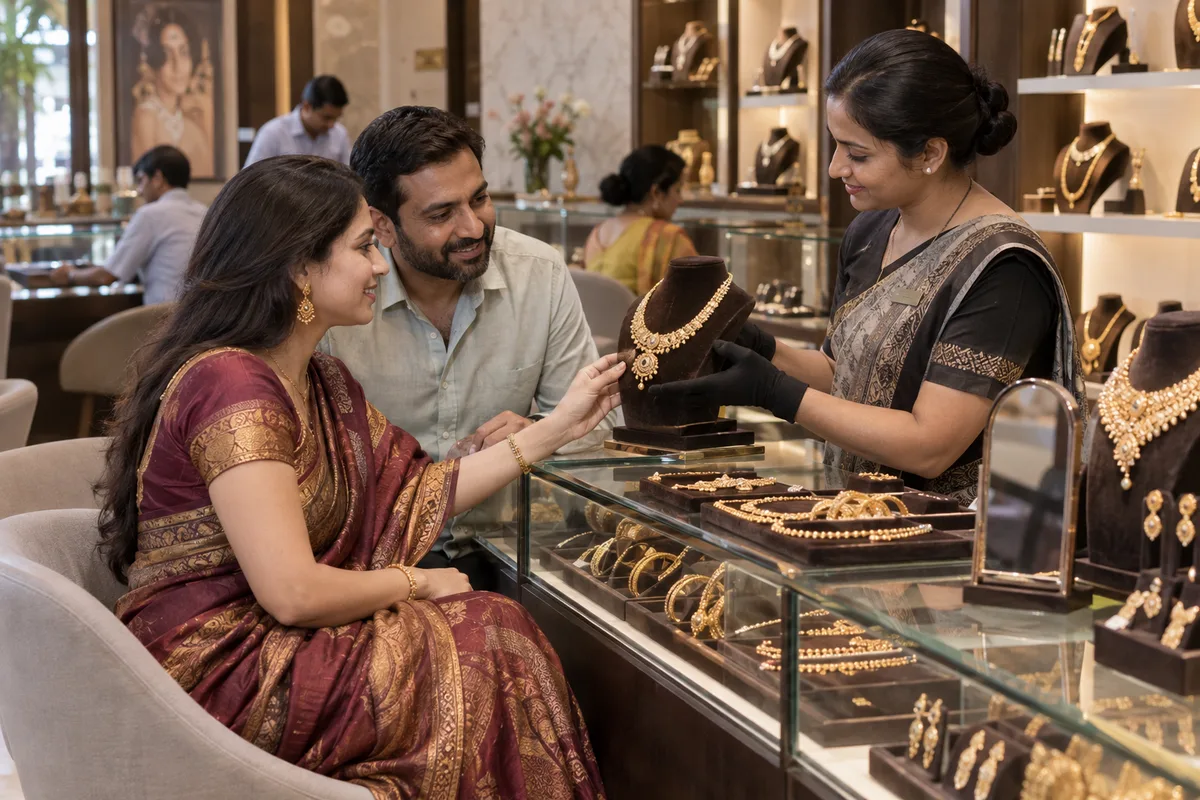
What WhatsApp marketing means
WhatsApp marketing is sending updates, offers and reminders to customers on the app most Indian buyers already check daily. GullySales sets up business WhatsApp, writes the message templates and keeps the list consented and current.
Also for artificial jewellery stores
- Lead generation for artificial jewellery stores
- SEO for artificial jewellery stores
- Local SEO for artificial jewellery stores
- Social media marketing for artificial jewellery stores
- Content marketing for artificial jewellery stores
- Buyer personas for artificial jewellery stores
- CRM for artificial jewellery stores
- Follow-up systems for artificial jewellery stores
Sales and marketing for artificial jewellery stores, the overview.
Last updated 18 Oct 2026.
For artificial jewellery stores
Where it usually goes wrong, and what we would do.
“The chat is the shop window”
A buyer messages from the metro or from home to ask whether a set is available. The first reply decides whether they visit. A reply with a photo, a price and the lane address wins the trip.
“A long scroll of photos is not a catalogue”
Sending forty pictures one after another makes the buyer hunt. A catalogue grouped by occasion and colour, with prices on the photo, lets them choose in a minute.
“Broadcasts reach only those who saved the number”
A message to a list works only for contacts who have your number and agreed to receive it. Building that list at the counter and by consent matters more than the size of the first send.
“One phone for retail and trade mixes the replies”
A boutique owner asking for a rate sheet and a bride asking for a bangle photo need different answers. When both land on one handset, one of them waits.
What we do
What we deliver for artificial jewellery stores.
The work available for this need. We agree the deliverables and responsibilities for your engagement in writing.
A WhatsApp Business set-up
Business profile, hours, address, a greeting and an away message, with the shop's catalogue loaded.
Result: The business number shows the shop's details and range at first contact.
A catalogue by colour and occasion
Sets grouped as bridal, sangeet, office and daily wear, with price on each photo.
Result: A buyer can browse sets by occasion without scrolling a long chat.
Quick replies for common questions
Saved answers for stock, price, delivery, exchange and visiting hours.
Result: Staff reply to the common questions in a few taps.
A broadcast routine with consent
A list of contacts who agreed, labelled by retail or trade, and a rule for what each broadcast must contain.
Result: Each broadcast goes to a labelled list of people who asked for it.
A trade number or label
A separate number or label for boutique owners and resellers, with its own rate sheet and reply.
Result: Trade enquiries are answered from a list kept apart from retail chats.
How the result is measured
- Messages delivered
- Reply rate
- Enquiries from WhatsApp
Recorded as a baseline before work starts, so every later report has an honest comparison.
What to capture or send
What the shop's chat should carry for a buyer and a reseller.
- Catalogue entry for a set
- A photograph worn, the pieces in the set, colour, finish and price band, so a buyer sees the set without scrolling a chat.
- Reply to a photo request
- The set, the price band and whether it is in stock, in the order the buyer asked.
- Trade price sheet
- A separate sheet with lot sizes, finishes and the minimum order, sent only to trade contacts.
- Festival broadcast
- Colours and sets ready for the occasion, sent only to those who agreed.
- Bridal party thread
- One thread per party with the sets, the headcount and the delivery date, so the family sees one answer.
Who it is for
This is written for these artificial jewellery stores.
- Retail shops in market lanes selling imitation and oxidised jewellery
- Wholesalers and manufacturers supplying boutiques and resellers
- Gold-plated and micro-plated jewellery shops
- Kundan, meenakari and polki-look specialists
- Temple and classical dance jewellery sellers
- Bridal jewellery rental and hire shops
- Mall kiosks and festival exhibition stalls
- Home-based sellers working through Instagram and WhatsApp groups
Not for
It is not the right fit if.
- You have no catalogue photographs of the sets worn, and the chat would still be a scroll of flat images.
- One phone serves both retail and trade and the owner will not separate them, so replies would continue to cross.
- Festival crowds leave no one free to reply, and broadcasts would bring messages the shop cannot answer.
Before you decide
Agree the work. Know how to judge it.
WhatsApp marketing for artificial jewellery stores: use these checks to prepare, choose the scope, and review what changes.
Bring the right evidence
Describe how the contact list was collected, what people asked to receive, and which messages are currently sent. Include opt-outs and replies when reviewing campaign performance.
Make the scope clear
Agree the audience, message purpose, sending system, and response owner. Separate promotional communication from order or service updates, and check current platform requirements before launch.
Check the work in use
Test the message with a small appropriate audience before wider use. Check links, reply handling, opt-outs, and whether the response leads to a relevant conversation or order.
Know when to change course
Do not use an unexplained contact list as a shortcut to demand. If recipients do not expect the message, resolve the permission and relevance questions before sending.
These are discussion points, not a fixed package. GullySales confirms the deliverables, responsibilities, fee, and term in writing after reading your brief and speaking with you.
How it works
How the whatsapp marketing work runs
The work itself, in order. How an engagement starts, from your brief to a written scope, is set out on our method page.
- 1
Conversation review and priorities
You share relevant chats and explain where enquiries stall. We agree which questions belong in the first scope and record the available baseline before changes begin.
- 2
App or API decision
We compare your reply needs with the current setup. You approve the route, including any separate API setup work, before committing to provider costs.
- 3
Contact and content approval
Your team confirms which contacts have permission and approves the replies. Clinics and other regulated organisations arrange their own compliance review before messages are used.
- 4
Routing and record agreement
The person responsible for sales confirms ownership rules and required CRM fields. We identify any wider CRM work that needs a separate scope.
- 5
Testing and release approval
Test conversations check the reply path and human takeover. You approve release after reviewing the messages and sample records.
- 6
Outcome review and changes
We review unanswered questions and recorded outcomes against the baseline at the agreed reporting points. Changes to replies or routing return to your nominated approver.
Where this fits
Three pieces of sales work, in this order.
This work sits inside sales process design, at stage 0, foundation. The audit comes before it, and sales management keeps it running.
Step 1
Sales audit
Find where deals are being lost and what to fix first.
Start here if you cannot say where orders are lost.
Step 2 · you are here
Sales process design
One written way to sell, from first enquiry to repeat order.
Start here if every salesperson sells differently.
Step 3
Sales management
A target, a review routine and someone who owns the number.
Start here if the team has targets and no routine.
FAQ
Questions owners ask before they call.
Not here? More answers, or ask on WhatsApp.
Is it allowed to send broadcasts to everyone in our phone?
Do we need the WhatsApp Business API?
Can we use WhatsApp groups for resellers?
How do we keep trade and retail replies apart?
How much does it cost?
How long is the contract?
How soon will we see results?
Who will actually do the work?
What do you need from us?
What if we are not happy with the work?
More for artificial jewellery stores
Related work to consider.
Or start from the overview: sales and marketing for artificial jewellery stores.
Your next practical step
Tell us what you are trying to grow, and we will read it before we call.
Eight short steps, mostly taps. Skip anything you would rather answer on the call.