Custom jewellery designers · Follow up systems
After the sketch goes out, the next message decides whether the client returns.
A follow-up system for a custom jewellery designer is the set of planned messages after an enquiry, a sketch, a quote and a delivery. GullySales works on the wording, the timing rules and the record so that silence after a sketch becomes a conversation.
Scope, fee, reporting and term are agreed in writing after we have read your brief and spoken to you.
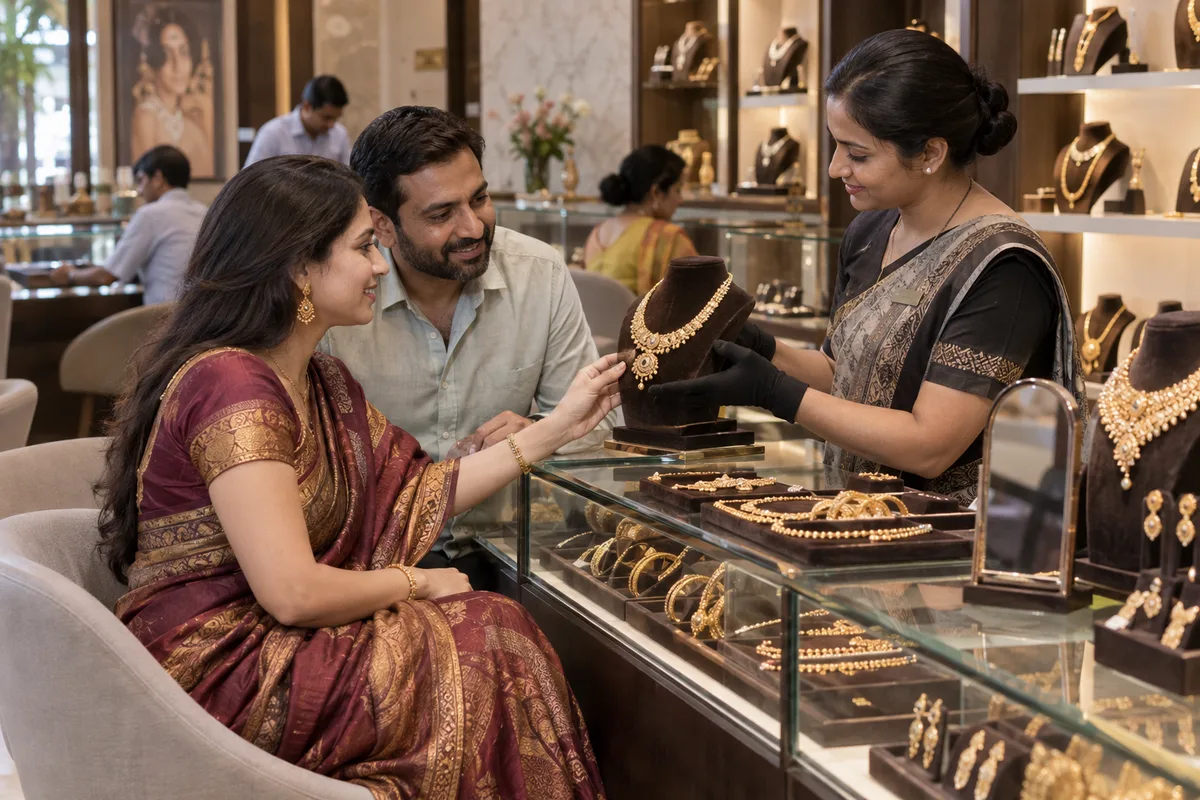
What follow up systems means
A follow-up system is the set routine for calling, messaging or emailing an enquiry more than once, since most buyers do not decide on the first conversation. GullySales sets the number and timing of follow-ups so an undecided buyer keeps hearing from you until they decide either way.
Also for custom jewellery designers
- Lead generation for custom jewellery designers
- CRM for custom jewellery designers
- SEO for custom jewellery designers
- Local SEO for custom jewellery designers
- Social media marketing for custom jewellery designers
- Content marketing for custom jewellery designers
- Buyer personas for custom jewellery designers
- WhatsApp marketing for custom jewellery designers
Sales and marketing for custom jewellery designers, the overview.
Last updated 14 Nov 2026.
For custom jewellery designers
Where it usually goes wrong, and what we would do.
“The client goes quiet after the sketch”
A design took hours and the reply is a read tick. The client is comparing, consulting family or waiting for a date. A planned, courteous question brings the conversation back; a reminder that sounds like pressure ends it.
“A follow-up should add something”
Another version, a render, a note on a stone or an answer to a worry gives the client a reason to reply. A bare message asking if they have decided gives them nothing.
“The advance needs a clear next step”
Once the client likes the design, the way to pay and what happens next must be obvious. Confusion at this point loses the commission more than price does.
“Delivery is not the end”
A message on collection, a care note and a later message on the anniversary keep the studio in mind for the next piece and for the cousin who asks where it was made.
What we do
What we deliver for custom jewellery designers.
The work available for this need. We agree the deliverables and responsibilities for your engagement in writing.
A sequence after the first enquiry
Planned replies that ask for occasion, budget and metal and offer a consultation.
Result: Each enquiry gets the same careful start.
A sequence after a sketch
A set of messages that add a version, a render or an answer, with a date for feedback.
Result: Quiet clients are asked, not chased.
An advance and terms message
A clear note on how to pay, what is recorded and what the next step is.
Result: The client knows exactly what happens after paying.
A delivery and care message
Collection details, care instructions and a thank you, with a review request.
Result: Delivery ends with a record and a kind word.
An owner's list of who to contact today
A list drawn from the pipeline stages.
Result: The studio opens the day with a list of people to message.
How the result is measured
- Follow-up completion rate
- Average number of follow-ups before close
- Enquiries closed after repeat follow-up
Recorded as a baseline before work starts, so every later report has an honest comparison.
What to capture or send
Each message after the sketch adds something the client needs.
- Reply to a new enquiry
- A short note thanking the client, asking the date and occasion, and offering a consultation, sent by the designer.
- Message after the sketch
- The sketch with a line on what was drawn and what the client might want to change, inviting comment instead of a yes.
- Second note for a silent client
- A different piece of help, such as a metal comparison or a ring size guide, so the message gives and does not push.
- Advance and terms message
- The terms sheet, the amount agreed and what the studio does next, sent when the client says yes.
- Handover and care message
- A note with care advice and how to reach the studio for resizing, sent when the piece is delivered.
- Anniversary note to a past client
- A line on the date of the commission, with no sales ask, which keeps the studio in mind for the next occasion.
Who it is for
This is written for these custom jewellery designers.
- Independent jewellery designers working from a studio
- Studios with CAD design and a workshop
- Engagement and wedding ring specialists
- Specialists in remodelling inherited gold
- Designers of men's jewellery
- Temple, antique and heritage design makers
- Designers selling to NRI clients by video call
- Designers who work for jewellery stores on commission
Before you decide
When this may not be the right fit.
- The studio has no policy for who pays for revisions, so a follow-up would invite requests you cannot answer consistently.
- You prefer not to contact a client again after delivery, so a care and anniversary sequence would go against your own practice.
Before you decide
Agree the work. Know how to judge it.
Follow-up systems for custom jewellery designers: use these checks to prepare, choose the scope, and review what changes.
Bring the right evidence
Trace recent enquiries from arrival to the last recorded action. Include a won enquiry, an unsuitable one, and one that went quiet, with personal details removed for the initial discussion.
Make the scope clear
Agree who accepts each enquiry, what makes it qualified, and how ownership changes. Include a rule for missed replies and a clear reason for closing an enquiry.
Check the work in use
Pick an enquiry at random and ask the team to find its owner, latest conversation, and next action. Check that the record agrees with what actually happened.
Know when to change course
If no one has capacity to respond, assign that responsibility before buying more leads. Automation can support the owner, but it cannot replace an unresolved handover.
These are discussion points, not a fixed package. GullySales confirms the deliverables, responsibilities, fee, and term in writing after reading your brief and speaking with you.
Before we start
What to have ready before the work starts.
The records, access and decisions this work needs from custom jewellery designers. Anything missing is noted in the written scope, with who will supply it.
- The last ten sketches and the replies
- We need to see what you sent and what came back. Screenshots are enough. Without them, the baseline is your memory.
- Your written terms for the advance
- The advance message must match your terms sheet. If none exists, we draft one with you first. Without it, the message states only what is paid and when. A rough sheet from an earlier commission is enough, and the message copies its wording so the client sees the same terms in both places.
- A list of what you can offer between messages
- Alternate stones, a render, a sample of a setting, a short note on care. Write what you can send at low cost. Without it, messages repeat the question. Examples include a render of the sketch in yellow and rose gold, a photograph of a similar setting, or a note on how a stone sits in a claw or a bezel.
- A note on how you want clients addressed
- Some clients prefer a formal tone and others a friendly one. Tell us what suits the studio. Without it, we write plainly and adjust.
- A rule for when to stop writing
- Decide how many messages a silent client receives and when the commission is marked paused. Without a rule, we use a modest limit and mark the client as paused. Clients who ask you to stop writing are removed at once and the reason is noted in the record.
How it works
How the follow up systems work runs
The work itself, in order. How an engagement starts, from your brief to a written scope, is set out on our method page.
- 1
Read what followed your last ten sketches
We take ten sketches you sent and look at what happened next: a reply, a request for a change, silence. You tell us what you did after the silence. The result is a plain account of the point at which clients go quiet and what the studio sent them, if anything.
- 2
Agree what adds value in a follow-up
A follow-up that only asks whether the client has decided gets ignored. With you we list what could be added at each stage: a reference to the occasion, an alternate stone, a note on setting, a render. You decide which you are willing to offer, and each message in the sequence later draws on one item from that list.
- 3
Write the sequence after the first enquiry
We draft the reply that asks about the occasion, the metal and the date, and the message that offers a consultation. You read them aloud and edit them into your own voice. Each message has one question and one next step. We keep the wording free of pressure about the date, because a client choosing a ring for a proposal needs room to decide.
- 4
Write the messages around the sketch and the advance
After a sketch, we draft a message that invites a response and one that offers a change. For the advance we write a clear note on what is paid, what the studio does next and how the terms sheet applies. You approve the wording and decide what the sheet says. We also write the delivery and care message, covering how to look after the piece, where to bring it for cleaning or resizing and how to reach the studio, and you approve the care advice.
- 5
Test the list with two live clients
You use the today list with two live commissions and tell us what is missing or confusing. We watch for repeated messages and clients who are contacted by two people. The list is changed until it is something you will open.
- 6
Compare replies and advances with the baseline
Before the sequences we recorded how many sketches led to an advance and how many clients went silent. After a season we count the same, by message. You see which follow-up brought a reply, which was ignored and whether care messages after delivery brought referrals, and decide what to drop.
Where this fits
Three pieces of sales work, in this order.
This work sits inside sales process design, at stage 2, qualification. The audit comes before it, and sales management keeps it running.
Step 1
Sales audit
Find where deals are being lost and what to fix first.
Start here if you cannot say where orders are lost.
Step 2 · you are here
Sales process design
One written way to sell, from first enquiry to repeat order.
Start here if every salesperson sells differently.
Step 3
Sales management
A target, a review routine and someone who owns the number.
Start here if the team has targets and no routine.
FAQ
Questions owners ask before they call.
Not here? More answers, or ask on WhatsApp.
What is the limit on follow-ups?
Should follow-ups be automatic?
How many times should I follow up after a sketch?
When a client approves the sketch, what should the next message cover?
How many follow-ups should I send after a sketch?
What should I write once the client approves the sketch?
How much does it cost?
How long is the contract?
How soon will we see results?
Who will actually do the work?
More for custom jewellery designers
Related work to consider.
Closest to this: leads and follow-up
Also for custom jewellery designers
Or start from the overview: sales and marketing for custom jewellery designers.
Your next practical step
Tell us what you are trying to grow, and we will read it before we call.
Eight short steps, mostly taps. Skip anything you would rather answer on the call.