Custom jewellery designers · Lead generation
A custom commission starts with a client who has a picture and an occasion.
Lead generation for a custom jewellery designer means bringing in people who want a piece made, with an occasion, a budget and a metal in mind. GullySales works on the places those people look, the first questions the studio asks and the record of where each brief came from.
Scope, fee, reporting and term are agreed in writing after we have read your brief and spoken to you.
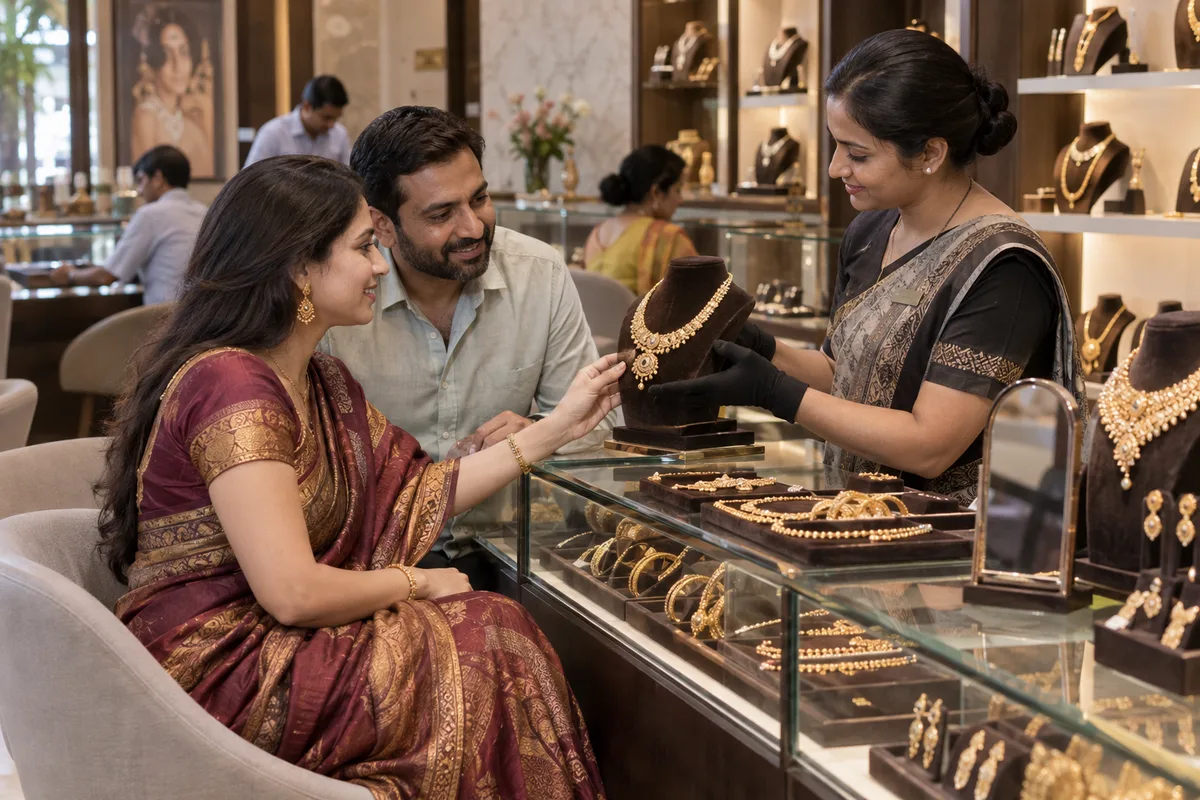
What lead generation means
Lead generation is the combined work of every channel that brings in a new enquiry, whether from search, adverts, referrals or a stall at an exhibition. GullySales runs these channels together and reports the number of enquiries each one produced, not the activity behind it.
Also for custom jewellery designers
- CRM for custom jewellery designers
- Follow-up systems for custom jewellery designers
- SEO for custom jewellery designers
- Local SEO for custom jewellery designers
- Social media marketing for custom jewellery designers
- Content marketing for custom jewellery designers
- Buyer personas for custom jewellery designers
- WhatsApp marketing for custom jewellery designers
Sales and marketing for custom jewellery designers, the overview.
Plan the next part of the work
Last updated 21 Nov 2026.
For custom jewellery designers
Where it usually goes wrong, and what we would do.
“The lead arrives with a saved picture, not a brief”
A client sends a screenshot from Instagram and asks the price. The picture says little about weight, stones or the occasion. A studio that answers with questions on the event, the metal and the budget turns a screenshot into a brief that can be drawn.
“Seasons set the order book”
Engagement ring enquiries gather before the wedding and festive seasons, and remodelling enquiries follow a family function. A studio that plans its posts and pages around those moments meets the client while the date is still open.
“Referrers send a different kind of lead”
A wedding planner or a gold shop that sells only ready stock hands over a client whose brief stock cannot meet. That client arrives warm, and expects a studio that already knows how to take the brief.
“Every sketch costs the designer hours”
Because a sketch is unpaid time, a lead who only wants free designs is expensive. A short intake form and a stated consultation routine sort the serious brief from the collector of sketches before the pencil moves.
What we do
What we deliver for custom jewellery designers.
The work available for this need. We agree the deliverables and responsibilities for your engagement in writing.
A form that asks what a first sketch needs
Occasion, date, budget range, metal, stones and whether old gold is to be reworked, kept short enough for a phone.
Result: Every enquiry arrives with the details a first sketch needs.
Source tags on every enquiry
Instagram, Google, planner, jeweller and past client each get their own tag from the first message.
Result: You can see which door the last confirmed brief came through.
A landing page for each type of commission
Engagement rings, bridal sets, remodelling and men's pieces each get a page that explains how a commission runs.
Result: A searcher lands on the page that matches the brief.
A planner and jeweller introduction
A short note on the briefs the studio takes and how to send a client across.
Result: A referrer knows which clients to send.
A consultation booking route
A call or video slot the client can pick, with the intake questions answered before it.
Result: The first conversation starts from a written brief.
How the result is measured
- Relevant enquiries by source
- Duplicate and unsuitable enquiries
- Time to the first response
- Accepted enquiries reaching an agreed next step
Recorded as a baseline before work starts, so every later report has an honest comparison.
What to capture or send
Ask for the occasion, the picture and the metal before the first sketch.
A sketch costs the designer hours, so the form asks what the work is for before any drawing starts.
- Occasion and the date it is needed
- A proposal, a wedding or an anniversary. The date tells the designer whether the commission fits the studio's bench before a sketch is drawn.
- Reference pictures the client saved
- Up to a few images sent with the form, with a note on what the client likes in each, so the brief is a conversation and not a guess.
- Metal, stone and any gold the client owns
- Whether the client is bringing old pieces to melt or remodel, which changes the consultation, the weighing and the terms.
- Who the piece is for and their size
- Finger size or neck length where known, so the designer knows whether to arrange a fitting in person.
- How the client found the studio
- A planner, a jeweller, a past client or a post. The designer learns which referrers send serious briefs.
- Consultation preference
- In the studio, on video or by message, noted so a client abroad is given a call and not an address.
Who it is for
This is written for these custom jewellery designers.
- Independent jewellery designers working from a studio
- Studios with CAD design and a workshop
- Engagement and wedding ring specialists
- Specialists in remodelling inherited gold
- Designers of men's jewellery
- Temple, antique and heritage design makers
- Designers selling to NRI clients by video call
- Designers who work for jewellery stores on commission
Before you decide
When this may not be the right fit.
- The bench is booked with orders for the whole season, so more enquiries would only produce a waiting list of unhappy clients.
- You send sketches before an advance is agreed, so a better lead route would increase the hours spent on drawings that go nowhere.
Before you decide
Agree the work. Know how to judge it.
Lead generation for custom jewellery designers: use these checks to prepare, choose the scope, and review what changes.
Bring the right evidence
Define the organisations or buyers you can serve and the reasons they would consider a conversation. Bring examples of accepted and rejected prospects so the selection rule is visible.
Make the scope clear
Agree the research sources, contact approach, qualification rules, and handover. Clarify which meetings count as accepted and what happens to replies that are not ready to buy.
Check the work in use
Review why a prospect was selected and what was learned from the response. Count held, relevant conversations separately from contacts found, messages sent, or meetings booked.
Know when to change course
If the same objection appears repeatedly, adjust the offer or buyer group before increasing outreach. Respect a request to stop contact and keep the exclusion in the record.
These are discussion points, not a fixed package. GullySales confirms the deliverables, responsibilities, fee, and term in writing after reading your brief and speaking with you.
Before we start
What to have ready before the work starts.
The records, access and decisions this work needs from custom jewellery designers. Anything missing is noted in the written scope, with who will supply it.
- The order register or a list of past commissions
- Bring whatever records the studio keeps: a register, a spreadsheet, the WhatsApp history of finished pieces. Handwritten is acceptable. Without it, the source map is drawn from memory and every figure is marked as an estimate.
- Your own list of questions before a sketch
- Write down what you ask a client before you start drawing. It shapes the form. If you work differently with ring clients and bridal sets, list both. Without it, the form asks a general set and wastes the first reply.
- Three finished commissions you may show
- Each landing page needs real pieces the client has agreed to show. A message from the client is enough. If none can be shown yet, the page shows your own design pieces and explains the process, and is updated as permissions arrive.
- A decision on referrer terms
- Planners and jewellers will ask whether they receive anything for a referral. The owner decides, with a clear yes or no. Without a decision, the introduction describes the studio and invites a conversation, and any arrangement is agreed later by you.
How it works
How the lead generation work runs
The work itself, in order. How an engagement starts, from your brief to a written scope, is set out on our method page.
- 1
Sort last year's commissions by where they began
We start with your order register or WhatsApp history and list each commission against the way it arrived: a referral from a past client, a planner, a jeweller, Instagram, search, a walk-in. You tell us which ones became advances and which stopped at a sketch. What exists afterwards is a record of where serious briefs come from, written in your own terms.
- 2
Rewrite the enquiry form around what a sketch needs
A designer cannot sketch from a saved picture alone. We ask you what you must know before the first drawing: the occasion, the metal, the budget range, the stone, the date it is needed by. You cut every question you would not use. The form then asks only those, in the order you would ask them in conversation.
- 3
Build a landing page for each commission type
Engagement rings, bridal sets, remodelled family gold and men's pieces draw different buyers with different worries. We write a short page for each type from your past briefs, with two or three finished pieces and the first question you will ask. You choose which types to promote. Every page carries a source tag, so each enquiry shows where it began. A short note for planners and jewellers who meet clients needing something made goes with each page, so they know where to send a brief, and you approve every name before it is sent.
- 4
Run a test brief through the whole route
We send an enquiry from an Instagram link, the form and a planner's referral, from different phones, and watch what you receive, how the source is recorded and how the consultation is offered. You tell us what you would change. We repeat the test until every route ends in the same enquiry list with a source beside each name.
- 5
Read sources against advances taken
Before the work we recorded the enquiries, sketches drawn and advances taken, with their sources. Once the forms and pages have been used through a wedding season, we put the new enquiry list beside those figures. You see which source brought briefs that reached an advance, and decide where the studio's time and money go next.
Where this fits
Three pieces of sales work, in this order.
This work sits inside sales process design, at stage 1, prospecting and lead generation. The audit comes before it, and sales management keeps it running.
Step 1
Sales audit
Find where deals are being lost and what to fix first.
Start here if you cannot say where orders are lost.
Step 2 · you are here
Sales process design
One written way to sell, from first enquiry to repeat order.
Start here if every salesperson sells differently.
Step 3
Sales management
A target, a review routine and someone who owns the number.
Start here if the team has targets and no routine.
FAQ
Questions owners ask before they call.
Not here? More answers, or ask on WhatsApp.
Should I advertise or rely on referrals?
How do I filter out clients who only want free sketches?
How do I decide which enquiries to answer first?
How do I handle a client who sends a photo of another jeweller's design?
Which source should I trust more, referrals or Instagram?
Can the form ask for a budget?
How long is the contract?
How soon will we see results?
Who will actually do the work?
What do you need from us?
More for custom jewellery designers
Related work to consider.
Closest to this: leads and follow-up
Also for custom jewellery designers
Or start from the overview: sales and marketing for custom jewellery designers.
Your next practical step
Tell us what you are trying to grow, and we will read it before we call.
Eight short steps, mostly taps. Skip anything you would rather answer on the call.