Fitness equipment dealers · Content marketing
Write the answers a buyer needs before deciding what to put on the floor.
Content marketing for a fitness equipment dealer is writing guides, comparisons and project stories that answer what buyers ask before they buy. GullySales plans the topics from your own counter questions and turns them into pages that bring enquiries.
Scope, fee, reporting and term are agreed in writing after we have read your brief and spoken to you.
What content marketing means
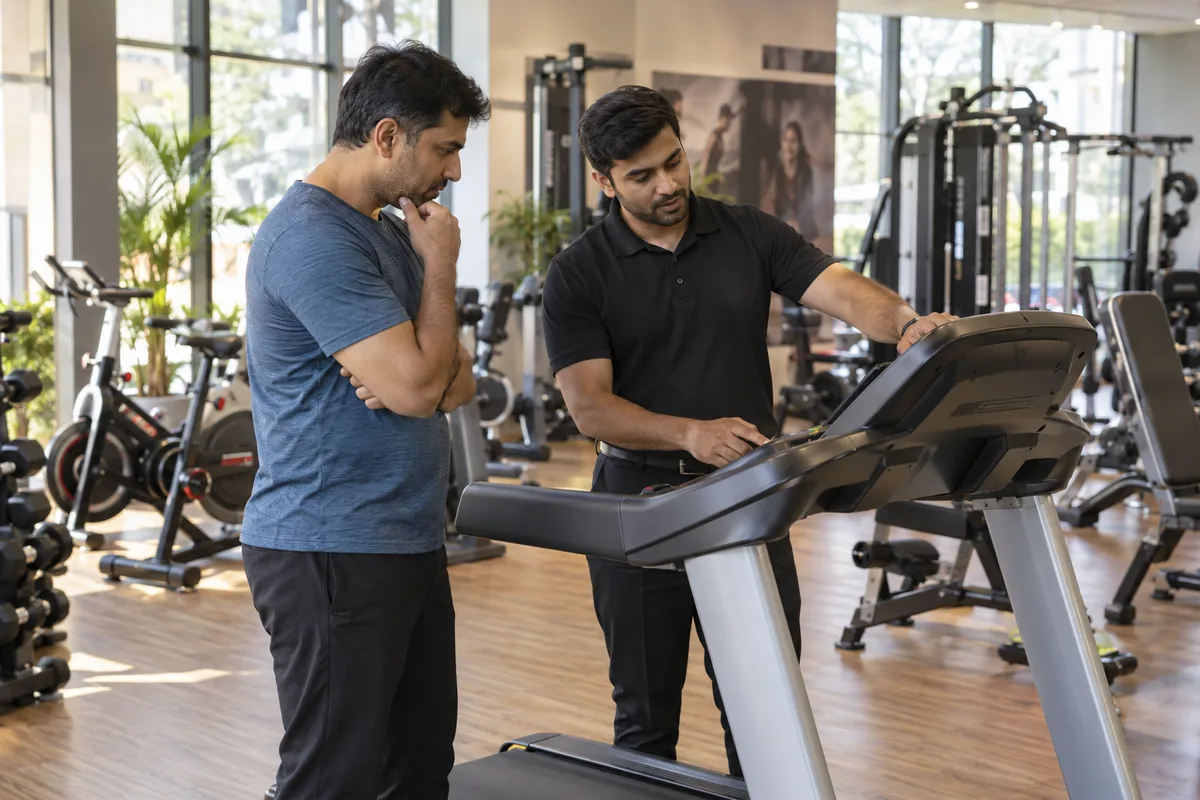
Content marketing is writing articles, guides and pages that answer the questions buyers search before they are ready to enquire. This makes your business visible and trusted before the first call. GullySales plans this content from the first conversation onward, choosing topics that match real search demand rather than guesses.
Also for fitness equipment dealers
- Social media marketing for fitness equipment dealers
- Lead generation for fitness equipment dealers
- SEO for fitness equipment dealers
- Local SEO for fitness equipment dealers
- Buyer personas for fitness equipment dealers
- CRM for fitness equipment dealers
- Follow-up systems for fitness equipment dealers
- WhatsApp marketing for fitness equipment dealers
Sales and marketing for fitness equipment dealers, the overview.
Last updated 3 Oct 2026.
For fitness equipment dealers
Where it usually goes wrong, and what we would do.
“The counter already knows the questions”
Which treadmill suits a small room, what the warranty covers, how loud a cycle is. Your staff answer these daily, and each answer written once becomes a page that works while the shop is shut.
“Comparisons win trust against marketplaces”
A buyer holding two models wants a plain comparison. A dealer who writes one honestly, including where the cheaper model is enough, earns the call.
“Gym owners read project stories”
A written account of how a floor was planned, what was chosen and why, shows an owner how you think. It reads as a quotation in advance.
“Content that stays unchanged goes stale”
A guide naming a discontinued model misleads. Each page needs an owner and a check, so the site does not drift from the stock on the floor.
What we do
What we deliver for fitness equipment dealers.
Every deliverable, what it covers for you, and the result it is there to produce. Nothing here is an extra.
Buyer guides from counter questions
A list of the questions your team hears, ranked by how frequently they arise, each written up as a clear guide.
Result: Staff can send a link instead of repeating the same answer.
Honest comparison pages
Side-by-side pages on machine types and price bands, with who each suits.
Result: Buyers arrive at the shop already informed.
Gym project write-ups
Stories of completed setups: the brief, the layout, the machines and the service plan, with the owner's permission.
Result: Prospective gym owners can read how a project runs.
A service and care library
Short guides on looking after a machine and when to call for service.
Result: Customers know when to book you, and find you when they search.
A content calendar and review
A list of pages to write and pages to recheck against stock.
Result: Published pages stay accurate.
How the result is measured
- Pages published
- Organic traffic
- Enquiries from content pages
Recorded as a baseline before work starts, so every later report has an honest comparison.
Posts and pieces to plan
Pieces a dealer can write from the questions asked at the counter.
- Choosing a home treadmill
- A guide to motor, belt size, folding and room size, written from the showroom's own questions. End with a trial booking so the reader moves from the page to the floor.
- Treadmill or cross trainer for a flat
- An honest comparison for a buyer with limited space and a family sharing the room. Say where each machine is the wrong choice, as that is what earns trust against a marketplace.
- Planning a small gym
- A project guide for a new gym owner: floor area, power, flooring and the order in which machines are bought. It shows the dealer thinks like an owner, not a seller.
- A gym we fitted
- A write-up of a finished project with the layout, the machines supplied and what the owner asked for. Name the client only with consent and make no claim about members or income.
- Looking after your machine
- A library of care notes per machine type and a note on when to call for service. It keeps the dealer in touch after the sale and leads to the service contract.
Who it is for
This is written for these fitness equipment dealers.
- Home fitness equipment dealers
- Commercial gym equipment suppliers
- Multi-brand fitness stores
- Importers and distributors of fitness machines
- Second-hand and refurbished equipment dealers
- Suppliers for hotels, societies and institutions
Not for
It is not the right fit if.
- Nobody in the team will write or check the pieces, and the dealer's page would stay blank beside the marketplaces
- You would publish a comparison that names rival dealers unfairly, which invites a dispute
- The showroom changes brands each season and a dated comparison would soon mislead
How it works
How the content marketing work runs
The work itself, in order. How an engagement starts, from your brief to a written scope, is set out on our method page.
- 1
Agree the plan
Topics and formats come from the content strategy and the buyer-question list. The volume goes into the written scope, agreed with you, not into a number quoted on a call.
- 2
Brief and draft
Each piece starts from its one-page brief and a short conversation with your technical person, recorded if they allow it, so the draft uses their words.
- 3
Check the facts
Your person marks the draft for accuracy and we correct it. Regulated subjects also go to your own adviser, because restrictions on claims apply to articles as much as to advertisements.
- 4
Publish and distribute
The piece goes live on your site, then out through the channels where your buyers already are.
- 5
Read the enquiries and adjust
Results are reported against the baseline recorded before work began. Topics that brought readers but no enquiries are changed or dropped. How often you are reported to is agreed in writing.
Where this fits
Three pieces of sales work, in this order.
This work sits inside sales process design, at stage 0, foundation. The audit comes before it, and sales management keeps it running.
Step 1
Sales audit
Find where deals are being lost and what to fix first.
Start here if you cannot say where orders are lost.
Step 2 · you are here
Sales process design
One written way to sell, from first enquiry to repeat order.
Start here if every salesperson sells differently.
Step 3
Sales management
A target, a review routine and someone who owns the number.
Start here if the team has targets and no routine.
FAQ
Questions owners ask before they call.
Not here? More answers, or ask on WhatsApp.
Who writes the content?
Do we need a blog?
How do we know content is working?
How should a comparison page treat a brand we do not stock?
How much does it cost?
How long is the contract?
How soon will we see results?
Who will actually do the work?
What do you need from us?
What if we are not happy with the work?
From the blog
Further reading for fitness equipment dealers.
More for fitness equipment dealers
Everything else we would do for you.
Closest to this: content and social
Also for fitness equipment dealers
Or start from the overview: sales and marketing for fitness equipment dealers.
Your next practical step
Tell us what you are trying to grow, and we will read it before we call.
Eight short steps, mostly taps. Skip anything you would rather answer on the call.