Gemstone dealers · Follow up systems
Decide in advance what happens after the video is sent and the buyer goes quiet.
A follow-up system for a gemstone dealer is the set of written steps that decide who contacts a buyer, with what message and on what trigger, after a video, a quote or a viewing. GullySales works on the steps, the wording and the record that tells the team whose turn it is.
Scope, fee, reporting and term are agreed in writing after we have read your brief and spoken to you.
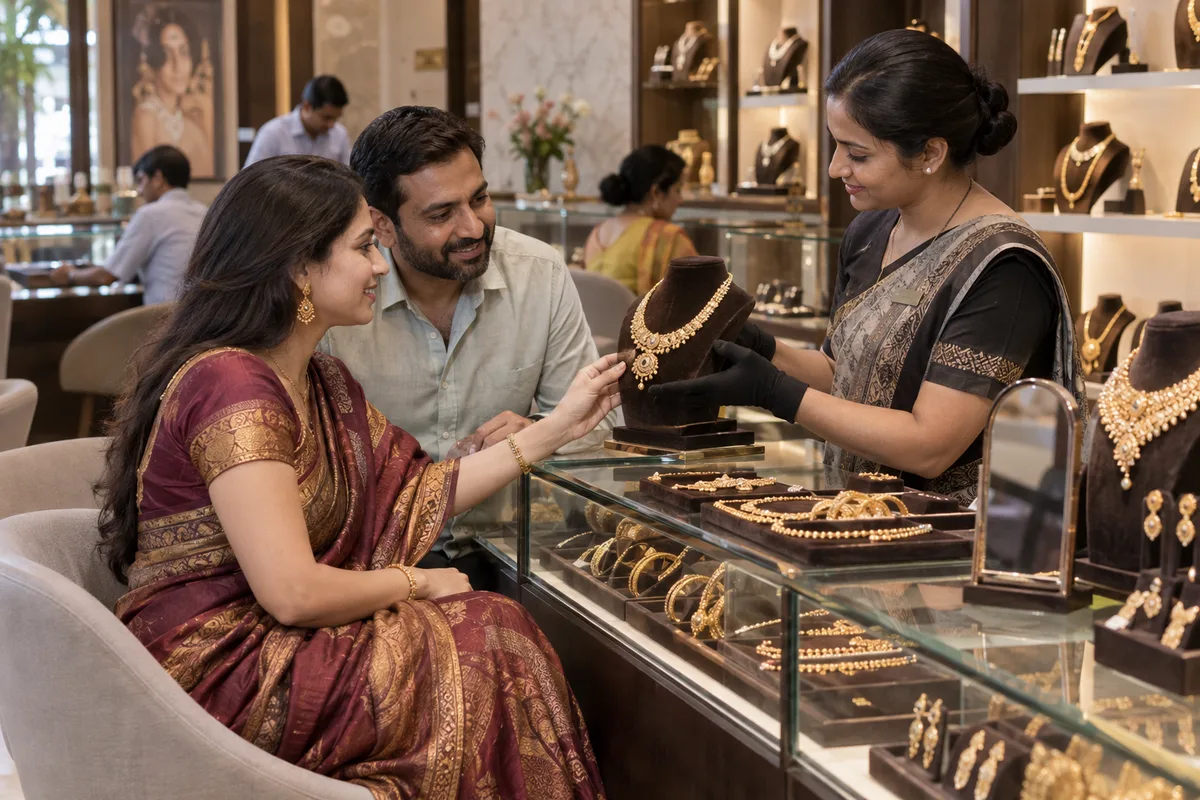
What follow up systems means
A follow-up system is the set routine for calling, messaging or emailing an enquiry more than once, since most buyers do not decide on the first conversation. GullySales sets the number and timing of follow-ups so an undecided buyer keeps hearing from you until they decide either way.
Last updated 14 Nov 2026.
For gemstone dealers
Where it usually goes wrong, and what we would do.
“The video is sent and the chat dies”
A buyer asks for a video, receives it with a rate, and says nothing. Without a rule, the dealer waits and the buyer buys elsewhere. A planned second message with new information, such as the lab report, gives the silence a reason to end.
“A buyer who is thinking needs something new to read”
Repeating the rate adds nothing. A message with a close photograph of the setting, the report summary or an answer to a likely doubt gives the buyer a reason to reply and shows the dealer is paying attention.
“Astrology dates make some follow-ups time-bound”
A buyer told to wear a stone from a certain day will buy before that day or not at all. A follow-up that records the date and asks about it before it arrives is useful, while one sent afterwards is noise.
“Jewellers want to be told, not chased”
A trade buyer is annoyed by repeated calls and pleased by a short note that matching stones have come in. The follow-up for a jeweller is a prompt tied to stock, not a reminder of the last quote.
What we do
What we deliver for gemstone dealers.
The work available for this need. We agree the deliverables and responsibilities for your engagement in writing.
A written sequence for each type of enquiry
Steps for a retail enquiry, a quote, a viewing, a jeweller's sample request and an astrologer referral, each with its own message.
Result: Everyone on the team knows the next step for every open enquiry.
Message wording that adds something
Short drafts for the second and third contact, each carrying new evidence, such as a close-up video or a report summary.
Result: A follow-up never reads as the same message sent twice.
Date-based reminders
A column in the record for the date the buyer needs the stone, with a reminder set before it.
Result: No buyer misses their date because of a forgotten reply.
A stop rule
A written point at which a quiet enquiry is marked closed with a courteous last message, and a note kept for the future.
Result: The open list shows only enquiries still worth pursuing.
A review of open enquiries
A set moment in the working day to check enquiries with no next step, handled by the person responsible.
Result: Every open enquiry has a name and a date against it.
How the result is measured
- Follow-up completion rate
- Average number of follow-ups before close
- Enquiries closed after repeat follow-up
Recorded as a baseline before work starts, so every later report has an honest comparison.
What to capture or send
Plan the message for each stage after a video is sent.
- The day the video and report are sent
- A short message asking which part of the stone the buyer wants to see closer, and noting the stone is held for a stated period if the owner agrees.
- The buyer asks for a rate and goes quiet
- A message giving one new fact, such as the stone's report number or a second option, rather than asking if they have decided.
- A stone the buyer liked is sold
- A message telling the buyer plainly and offering a close match, because silence loses the buyer's trust.
- The astrologer's chosen auspicious day
- A date-based reminder before the day the astrologer named, noted from the first call and sent once.
- After delivery
- A message asking whether the stone arrived as shown and sharing the care note, recorded so complaints are caught early.
- A jeweller's repeat need
- A note when matching stones arrive, sent to the jewellers who bought similar ones before.
Who it is for
This is written for these gemstone dealers.
- Coloured stone dealers selling ruby, emerald and sapphire
- Astrology gemstone sellers with certified stones
- Loose diamond and polki dealers selling to jewellers
- Pearl and coral dealers
- Semi-precious stone and bead wholesalers
- Rough stone and cutting-workshop owners
- Exporters of cut and polished stones
- Online-only gemstone sellers working through video calls
Before you decide
When this may not be the right fit.
- Nobody records who asked for which stone, so reminders would go out with the wrong stone named.
- The owner has not decided when a stone is held for a buyer and when it is released, so messages would promise what the shop cannot keep.
- You plan to chase buyers who have already said no, which damages the dealer's name in a trade where referrals matter.
Before you decide
Agree the work. Know how to judge it.
Follow-up systems for gemstone dealers: use these checks to prepare, choose the scope, and review what changes.
Bring the right evidence
Trace recent enquiries from arrival to the last recorded action. Include a won enquiry, an unsuitable one, and one that went quiet, with personal details removed for the initial discussion.
Make the scope clear
Agree who accepts each enquiry, what makes it qualified, and how ownership changes. Include a rule for missed replies and a clear reason for closing an enquiry.
Check the work in use
Pick an enquiry at random and ask the team to find its owner, latest conversation, and next action. Check that the record agrees with what actually happened.
Know when to change course
If no one has capacity to respond, assign that responsibility before buying more leads. Automation can support the owner, but it cannot replace an unresolved handover.
These are discussion points, not a fixed package. GullySales confirms the deliverables, responsibilities, fee, and term in writing after reading your brief and speaking with you.
Before we start
What to have ready before the work starts.
The records, access and decisions this work needs from gemstone dealers. Anything missing is noted in the written scope, with who will supply it.
- Chats where a video or quote was sent
- The system is built on what really happened after the video. Bring exports or screenshots from the last stretch of trading, with the buyer's name removed if you wish. Where none exist, we start with the next ones and read the early figure as an estimate.
- A named person for each follow-up
- Decide who writes after a video: the owner, a staff member or the person who sells that stone. Name a cover for absences. A step with no person is skipped when the shop is busy. Also say who sends the first message of the day.
- Your view on holding a stone
- Only you can say whether a stone is held for a buyer while they decide, for how long and with what deposit. Write it. The messages refer to your rule, and the buyer is told the same thing every time.
- A record the team opens
- Reminders need a place: a CRM or a shared sheet. Tell us what you use. If there is none, we start with a sheet, and the reminders are only as good as the habit of opening it.
How it works
How the follow up systems work runs
The work itself, in order. How an engagement starts, from your brief to a written scope, is set out on our method page.
- 1
Read what happened after the last videos
We open the chats where a stone video or quote was sent and mark what followed: a reply, a viewing, silence or a sale. You explain the silent ones. What exists is an honest count of how many chats went quiet after the video and whether anyone wrote again, which sets the baseline for the system.
- 2
Write a sequence for each type of enquiry
A wearer deciding on a stone, a jeweller needing matched pieces and an astrologer's client each need a different sequence. We write the steps with you: who writes next, with which content, on what trigger. You approve each. A sequence that fits one buyer type only is not used on the others.
- 3
Draft messages that add something new
Each follow-up carries one new thing: a second video in another light, the report page, the setting options, a similar stone just arrived. We write them in your voice. You remove any that read like a nudge. A buyer who is thinking needs a reason to answer, not a reminder.
- 4
Mark the dates that make a follow-up urgent
Some buyers buy for an auspicious date or a wedding. We list how these dates are recorded and which reminders carry them. You decide how far in advance you write. The reminders sit in the record so the date is not lost when the owner is at a buying trip.
- 5
Set the stop rule and review open enquiries
You decide when an enquiry is closed with a polite last message, and who reviews the open ones with the owner. We write the rule and the list. What exists is a short review where each open enquiry has an owner, a next step and a reason, and stale ones are closed.
Where this fits
Three pieces of sales work, in this order.
This work sits inside sales process design, at stage 2, qualification. The audit comes before it, and sales management keeps it running.
Step 1
Sales audit
Find where deals are being lost and what to fix first.
Start here if you cannot say where orders are lost.
Step 2 · you are here
Sales process design
One written way to sell, from first enquiry to repeat order.
Start here if every salesperson sells differently.
Step 3
Sales management
A target, a review routine and someone who owns the number.
Start here if the team has targets and no routine.
FAQ
Questions owners ask before they call.
Not here? More answers, or ask on WhatsApp.
How many follow-ups before a stone buyer is left alone?
Is it rude to follow up after a quote?
Should the owner do the follow-up personally?
Should we hold a stone for a buyer while they decide?
What do we send a buyer who bought elsewhere?
Should the follow-up come from the shop number or a personal phone?
How much does it cost?
How long is the contract?
How soon will we see results?
Who will actually do the work?
More for gemstone dealers
Related work to consider.
Closest to this: leads and follow-up
Also for gemstone dealers
Or start from the overview: sales and marketing for gemstone dealers.
Your next practical step
Tell us what you are trying to grow, and we will read it before we call.
Eight short steps, mostly taps. Skip anything you would rather answer on the call.