Gemstone dealers · Lead generation
Draw buyers who ask about a named stone, not buyers who only ask the rate.
Lead generation for a gemstone dealer is the work of drawing in people who want one particular stone and will send a real enquiry, whether a retail buyer, a jeweller or an astrologer's client. GullySales works on the sources, the enquiry form and the first reply that turn a curious message into a conversation about that stone.
Scope, fee, reporting and term are agreed in writing after we have read your brief and spoken to you.
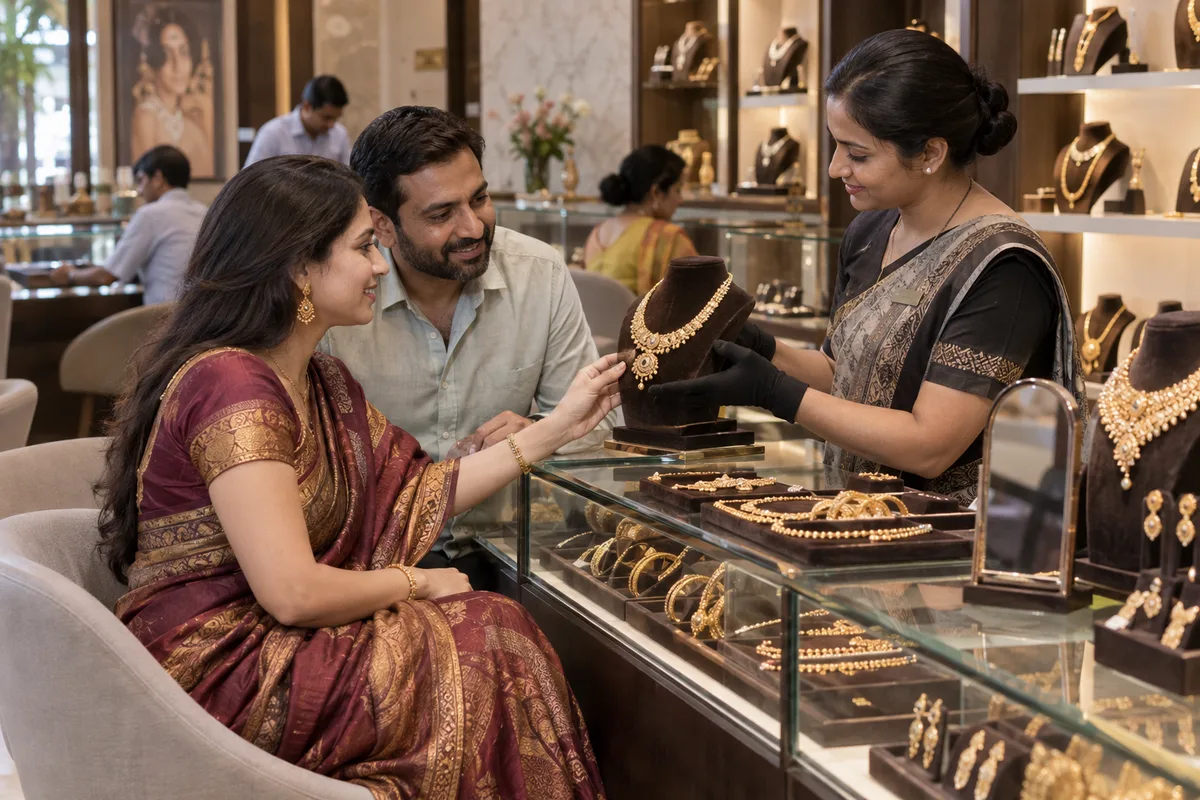
What lead generation means
Lead generation is the combined work of every channel that brings in a new enquiry, whether from search, adverts, referrals or a stall at an exhibition. GullySales runs these channels together and reports the number of enquiries each one produced, not the activity behind it.
Plan the next part of the work
Last updated 21 Nov 2026.
For gemstone dealers
Where it usually goes wrong, and what we would do.
“The rate-only message is the weakest lead”
A message that says only blue sapphire rate comes from someone collecting numbers from several dealers. A lead that names the stone, the weight range and the purpose is worth far more, so the page or form that attracts enquiries should ask for those details before any price is given.
“Astrologers hold the best leads and seldom advertise”
An astrologer who names a stone for a client has already done the persuading. The dealer who is easy to recommend, with a short list of stones held and how they are tested, receives a buyer ready to order. The others receive a request for a quote.
“A jeweller's first enquiry is the start of repeat supply”
A jeweller asking for one ruby may need matched stones for the next set. If the enquiry is logged as a single sale, the second need goes to whichever dealer answered last, because nobody noted what the jeweller makes.
“Gem fair visiting cards pile up without the stone on them”
After an exhibition the stack of cards says who visited but not which stone each visitor held in hand. That stone is the lead. Without it, the follow-up is a general greeting that a busy buyer ignores.
What we do
What we deliver for gemstone dealers.
The work available for this need. We agree the deliverables and responsibilities for your engagement in writing.
A source list for each stone type
A written list of where enquiries for sapphire, emerald, ruby, pearl and coral arrive from: search, IndiaMART, astrologer referrals, jewellers, fairs and the Instagram page.
Result: You can see which door brings emerald buyers and which brings pearl buyers.
An enquiry form that asks about the stone
A short form and a matching WhatsApp opening line asking for stone, weight range, purpose and city before a rate is quoted.
Result: Each enquiry arrives with the details a quote needs.
A lead sheet with a stone column
One sheet where every enquiry is entered with its source, the stone, the person who recommended you and the next step.
Result: Any order can be traced back to the door it came through.
An astrologer and jeweller approach list
A named list of astrologers and jewellers to approach, with a note on what each should be told about the stones you hold.
Result: The list shows who has been approached and who has sent a buyer.
Fair contact capture
A simple sheet at the stall for the visitor's name, number and the stone they handled, kept for the follow-up message.
Result: The sheet after a fair sorts by stone, so each follow-up names it.
How the result is measured
- Relevant enquiries by source
- Duplicate and unsuitable enquiries
- Time to the first response
- Accepted enquiries reaching an agreed next step
Recorded as a baseline before work starts, so every later report has an honest comparison.
What to capture or send
Record the stone behind every enquiry before anyone quotes a rate.
- Stone named by the buyer
- Ruby, emerald, blue sapphire or pearl as the buyer wrote it, so the reply starts from that stone and not from a general price list.
- Weight range and purpose
- Ring, pendant or loose investment piece, with the carat range the buyer has in mind, so only stones that fit are shown.
- Who recommended the stone
- An astrologer, a jeweller or the buyer's own reading, noted so the referrer can be thanked and shown new stock later.
- Lab report asked for
- Whether the buyer wants a certificate from a named laboratory, which decides which stones in the safe are worth sending.
- City and viewing choice
- Visit, video call or courier of the stone on approval, recorded so a distant buyer is not asked to travel.
- Fair or exhibition source
- The show where the card was taken and the stone the visitor held in hand, so the follow-up message mentions it.
Who it is for
This is written for these gemstone dealers.
- Coloured stone dealers selling ruby, emerald and sapphire
- Astrology gemstone sellers with certified stones
- Loose diamond and polki dealers selling to jewellers
- Pearl and coral dealers
- Semi-precious stone and bead wholesalers
- Rough stone and cutting-workshop owners
- Exporters of cut and polished stones
- Online-only gemstone sellers working through video calls
Before you decide
When this may not be the right fit.
- Nobody in the shop can answer a stone question the same day, so more enquiries would only reach a silent phone.
- Stock is not yet photographed or recorded with weights, so a buyer who asks for a named stone would get no real answer.
- The plan is to publish rates to attract callers, before any rule exists for who may quote and on what basis.
Before you decide
Agree the work. Know how to judge it.
Lead generation for gemstone dealers: use these checks to prepare, choose the scope, and review what changes.
Bring the right evidence
Define the organisations or buyers you can serve and the reasons they would consider a conversation. Bring examples of accepted and rejected prospects so the selection rule is visible.
Make the scope clear
Agree the research sources, contact approach, qualification rules, and handover. Clarify which meetings count as accepted and what happens to replies that are not ready to buy.
Check the work in use
Review why a prospect was selected and what was learned from the response. Count held, relevant conversations separately from contacts found, messages sent, or meetings booked.
Know when to change course
If the same objection appears repeatedly, adjust the offer or buyer group before increasing outreach. Respect a request to stop contact and keep the exclusion in the record.
These are discussion points, not a fixed package. GullySales confirms the deliverables, responsibilities, fee, and term in writing after reading your brief and speaking with you.
Before we start
What to have ready before the work starts.
The records, access and decisions this work needs from gemstone dealers. Anything missing is noted in the written scope, with who will supply it.
- Last year's enquiry chats and cards
- The first step reads real enquiries, so keep the chat exports, notebook entries and gem fair cards from the last stretch of trading. They may be unsorted. Where none exist, we begin with the next enquiries and treat the early split as a first estimate.
- A list of stones you want to sell more
- Only you can say which stones deserve more demand: those with margin, those in stock or those you can source at short notice. The sources are aimed at that list. Without it, enquiries arrive for stones you do not hold, and each one costs a reply.
- Videos and lab reports for stones in stock
- A lead is converted when the buyer sees the stone and its report. Keep videos in daylight and the matching certificates ready by stone. If they are missing for part of the stock, those stones are left off the lead routes until they are made.
- Contacts of astrologers and jewellers
- Bring the names and numbers of astrologers and jewellers you already supply, and the ones you have met. A card box is enough. If you have none, the first approach list is built from the market and from your customers' recommendations.
- A person to answer the first message
- Name who replies on the shop number when the owner is at a viewing or abroad on a buying trip. The reply must come from someone who knows the stone. If it falls to the owner alone, the sources are kept few.
How it works
How the lead generation work runs
The work itself, in order. How an engagement starts, from your brief to a written scope, is set out on our method page.
- 1
Sort last year's messages by stone and buyer
We open the WhatsApp chats, the call notes and the visiting cards from gem fairs, and sort each enquiry by the stone asked about and by who asked: a wearer, a jeweller, an astrologer or someone checking rates. You tell us which became sales. What exists is a picture of which stones and which buyers have really paid you.
- 2
List the astrologers and jewellers worth approaching
From your own customers and the market, we draw up a short list of astrologers who advise on stones and jewellers who set them in your city and beyond. You mark the ones you know and the ones you want to meet. The list says who gets a stone video first and who is left alone.
- 3
Write the form around the stone
The enquiry form and the first message ask which stone, what weight or size, the budget range and whether a certificate is needed, and nothing that sounds like a rate comparison. You approve each question. A form that asks about the stone brings people who want that stone, and the rate-only message is easy to spot.
- 4
Decide what each source can promise
We go through the sources one by one: marketplace listing, Maps, Instagram, referrals and gem fairs. For each, you decide what the buyer is invited to do and who answers. A source that nobody can answer on the same day is paused until someone is named, so no message waits unseen.
- 5
Run a test enquiry for a stone you hold
We send an enquiry for a real stone through each source, and you or your salesperson answer as you would. We watch where it lands, what is replied and whether the stone's video and report are sent. Only the sources that pass this test are marked live in the lead sheet.
- 6
Read sales against the stone column
After the sources have run on live enquiries, we compare the lead sheet with the baseline: enquiries by source, videos sent, viewings and sales, with the stone beside each. You decide which source to feed, which fair to attend again and which stones to feature.
Where this fits
Three pieces of sales work, in this order.
This work sits inside sales process design, at stage 1, prospecting and lead generation. The audit comes before it, and sales management keeps it running.
Step 1
Sales audit
Find where deals are being lost and what to fix first.
Start here if you cannot say where orders are lost.
Step 2 · you are here
Sales process design
One written way to sell, from first enquiry to repeat order.
Start here if every salesperson sells differently.
Step 3
Sales management
A target, a review routine and someone who owns the number.
Start here if the team has targets and no routine.
FAQ
Questions owners ask before they call.
Not here? More answers, or ask on WhatsApp.
Should we publish rates to attract leads?
Is IndiaMART a lead source for a retail stone seller?
Which signs separate a genuine stone buyer from someone checking rates?
Should every enquiry get a video of the stone straight away?
Is a gem fair worth attending for leads?
How much does it cost?
How long is the contract?
How soon will we see results?
Who will actually do the work?
What do you need from us?
More for gemstone dealers
Related work to consider.
Closest to this: leads and follow-up
Also for gemstone dealers
Or start from the overview: sales and marketing for gemstone dealers.
Your next practical step
Tell us what you are trying to grow, and we will read it before we call.
Eight short steps, mostly taps. Skip anything you would rather answer on the call.