Gemstone dealers · Buyer persona
Write down whether the buyer, the astrologer or the jeweller is making the choice.
A buyer persona for a gemstone dealer describes the person actually deciding, and in this trade that is seldom one person: the wearer, the astrologer who advised, the family that pays, or the jeweller setting the stone. GullySales builds a persona for each kind of buyer you serve, from your own enquiry records.
Scope, fee, reporting and term are agreed in writing after we have read your brief and spoken to you.
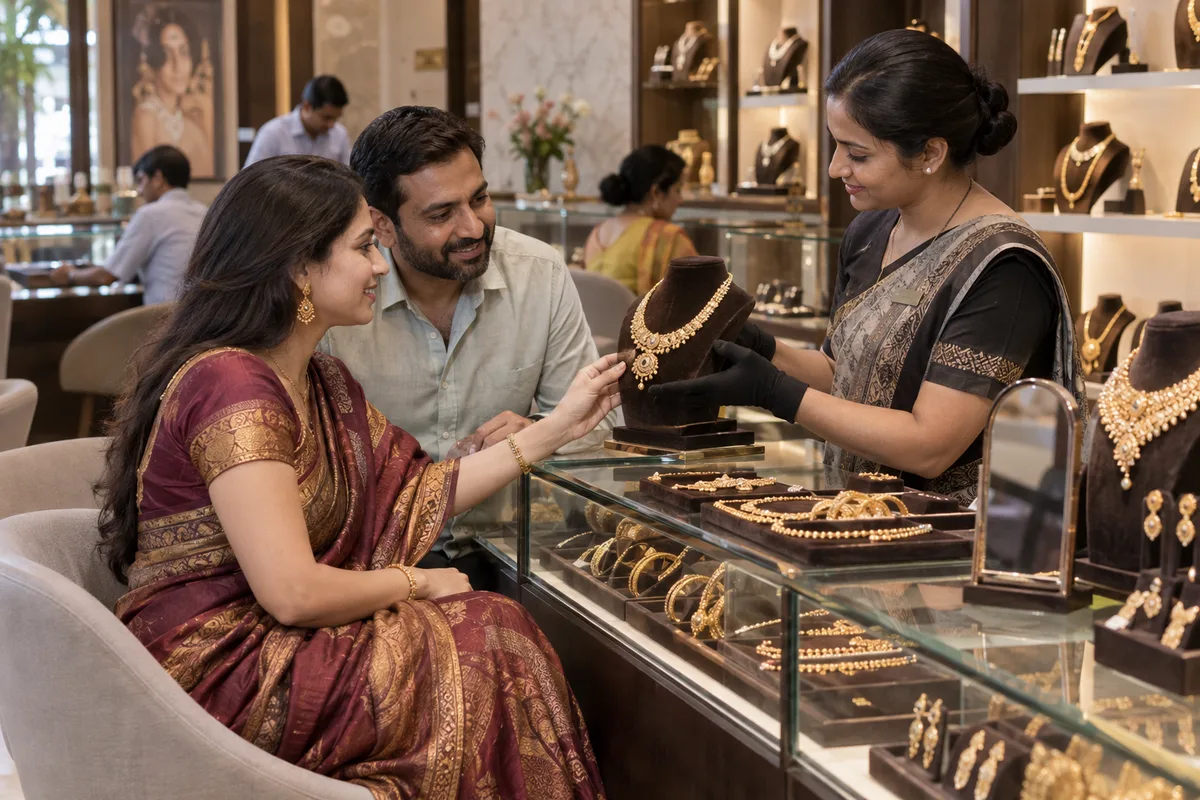
What buyer persona means
A buyer persona is a plain description of the kind of customer who actually buys from you. It includes what they search, what worries them and who else they ask before deciding. GullySales builds this from real enquiries and past sales rather than a generic template, then uses it to write every page and advert.
Last updated 14 Nov 2026.
For gemstone dealers
Where it usually goes wrong, and what we would do.
“The wearer and the payer are different people”
A parent pays for a stone the adult child will wear, on the astrologer's advice. The wearer asks about look and size, the payer about certificate and return, and the astrologer about the exact stone. One page answering only one of them loses the other two.
“The astrologer is a persona with its own questions”
An astrologer needs to know stones are what they say, supply is dependable and the dealer will not oversell. They send a client once and watch the result, so the first order they see decides whether you are named again.
“The jeweller buys for a customer who is not in the room”
A jeweller wants matched size, cut and tone, written in plain terms, at a rate that leaves room for their own margin. The persona is a trader with a deadline for a customer, not a person admiring a stone.
“The collector reads about origin before price”
A collector asks about origin, treatment and rarity and compares across auctions and dealers. This buyer rewards a patient, informative seller and punishes vagueness, so every piece you offer needs its paperwork ready, and does not haggle in the first message.
What we do
What we deliver for gemstone dealers.
The work available for this need. We agree the deliverables and responsibilities for your engagement in writing.
A persona for the retail wearer
A written profile of who buys for personal wear, what starts the search, what they compare and what makes them say yes.
Result: Your replies answer the wearer's real questions.
A persona for the astrologer referrer
A profile of what an astrologer needs from a supplier, including the stone list and the way to recommend you.
Result: An astrologer knows exactly what to expect from you.
A persona for the trade buyer
A profile of the jeweller or designer buying matched stones, with the order sizes and terms they ask for.
Result: A trade enquiry gets a catalogue, not a retail reply.
A persona for the collector
A profile of the buyer who wants origin, rarity and documents, with the questions they ask first.
Result: Rare pieces are described the way this buyer reads.
A card checked against real enquiries
Each persona compared with last season's enquiries and orders, and corrected where it does not fit.
Result: The cards describe your buyers rather than a guess.
How the result is measured
- Enquiry match to persona
- Conversion rate by persona
- Content aligned to persona
Recorded as a baseline before work starts, so every later report has an honest comparison.
Who is asking
Know which buyer is asking before choosing the stone you show.
- A wearer sent by an astrologer
- Wants the named stone, weight and a certificate, and asks whether the stone matches the astrologer's note before paying.
- The astrologer recommending a dealer
- Wants to know which stones are held, how they are tested and whether the buyer will be pressed to buy more than advised.
- A jeweller needing matched stones
- Wants pairs or sets in the same shade and cut, a trade rate, and a dealer who will hold stones on approval.
- A first-time buyer for an engagement
- Wants to know if the stone is natural, how to tell, and what happens if a jeweller later tests it differently.
- A collector buying for origin
- Wants origin, treatment and a laboratory report before price, and will leave if the dealer cannot answer.
- An overseas relative buying for family
- Wants the stone shipped safely and insured, with the report copied to a relative in India who can inspect it.
Who it is for
This is written for these gemstone dealers.
- Coloured stone dealers selling ruby, emerald and sapphire
- Astrology gemstone sellers with certified stones
- Loose diamond and polki dealers selling to jewellers
- Pearl and coral dealers
- Semi-precious stone and bead wholesalers
- Rough stone and cutting-workshop owners
- Exporters of cut and polished stones
- Online-only gemstone sellers working through video calls
Before you decide
When this may not be the right fit.
- Your enquiries are not yet recorded by stone and purpose, so the personas would be guesses and not written from real buyers.
- The shop sells only one stone type to one kind of buyer, so separate personas would add paperwork and nothing else.
- The aim is to change what you say to the astrologer without ever talking to one, which would produce a persona the astrologer would not recognise.
Before you decide
Agree the work. Know how to judge it.
Buyer personas for gemstone dealers: use these checks to prepare, choose the scope, and review what changes.
Bring the right evidence
Write the decision the research must support, such as entering a market or choosing a buyer group. Separate what you know from sales records from what the team currently assumes.
Make the scope clear
Agree which buyers to speak to, which sources to review, and what access you can provide. Include lost enquiries and people who chose another supplier, where they are willing to take part.
Check the work in use
Look for source dates, sample limitations, and evidence that disagrees with the preferred answer. A recommendation should show how it follows from the findings.
Know when to change course
Do not treat a few positive conversations as proof of demand. Test the proposed offer with an actual buying decision before committing to a wider launch.
These are discussion points, not a fixed package. GullySales confirms the deliverables, responsibilities, fee, and term in writing after reading your brief and speaking with you.
Before we start
What to have ready before the work starts.
The records, access and decisions this work needs from gemstone dealers. Anything missing is noted in the written scope, with who will supply it.
- Your sales book with notes on who decided
- The personas come from who actually bought, so bring the sales book, invoices or chat history, with a note of who decided where you remember it: the wearer, a relative who paid, the astrologer or a jeweller. If the record is missing, we reconstruct from the phone and mark the sheet as unchecked.
- Names of buyers and referrers willing to talk
- A buyer or astrologer talks more freely if you introduce us. Name a few of each kind and tell them to expect a call, and tell us what you would like to understand. If none agree, we begin with your account of them and say which sheets rest on your account alone.
- Notes on returned or lost stones
- A returned stone or a lost enquiry shows what a persona rejects, whether the colour looked different at home, the treatment was a surprise or a rival offered a report from a better-known laboratory. Bring what you remember. If you do not know the reason, we ask the buyer in the interview.
- Time from whoever answers the phone
- The person who handles first messages knows the doubts and the phrases buyers use, such as whether the stone is natural. Give us an hour with them before the interviews begin. Without that time, the question lists in each persona stay thin and borrow too much from general advice.
How it works
How the buyer persona work runs
The work itself, in order. How an engagement starts, from your brief to a written scope, is set out on our method page.
- 1
Sort past buyers by who decided
From your sales book and chats we mark, for each purchase, who decided: the wearer, a family member who paid, an astrologer who advised, a jeweller buying for a customer or a collector. You fill the gaps from memory. What exists is a count of purchases by decision-maker, which shows how many personas the business needs.
- 2
Pick the purchases to study
We choose a few completed purchases and a few lost enquiries for each kind of buyer, including one where the stone was returned. You select them and share what you remember. The purchases come from your records, so the personas rest on what happened and not on a guess.
- 3
Talk with willing buyers and referrers
With your introduction we speak to some buyers, a jeweller and an astrologer who sends you clients, asking how they choose a dealer, what they check and what worries them. You give the contacts. What exists is a set of notes in their own words, including what they say about your rivals.
- 4
Write one persona sheet per buyer kind
We write a sheet for the wearer, the astrologer, the trade buyer and the collector, each with their question list, their fears and what proof they need. You read it for errors. A point supported by one conversation only is marked as thin.
- 5
Check the sheets against live enquiries
For a stretch of new enquiries, the person who answers marks which persona each buyer matched, and we compare with the sheets. You decide what to correct, merge or add.
Where this fits
Three pieces of sales work, in this order.
This work sits inside sales process design, at stage 0, foundation. The audit comes before it, and sales management keeps it running.
Step 1
Sales audit
Find where deals are being lost and what to fix first.
Start here if you cannot say where orders are lost.
Step 2 · you are here
Sales process design
One written way to sell, from first enquiry to repeat order.
Start here if every salesperson sells differently.
Step 3
Sales management
A target, a review routine and someone who owns the number.
Start here if the team has targets and no routine.
FAQ
Questions owners ask before they call.
Not here? More answers, or ask on WhatsApp.
What number of personas does a dealer need?
Where does the information come from?
Does a persona change what we post?
How do we learn what an astrologer wants from a dealer?
Can one buyer fit two personas?
Do we write a persona for the collector if we have few of them?
How much does it cost?
How long is the contract?
How soon will we see results?
Who will actually do the work?
More for gemstone dealers
Related work to consider.
Closest to this: strategy and research
Also for gemstone dealers
Or start from the overview: sales and marketing for gemstone dealers.
Your next practical step
Tell us what you are trying to grow, and we will read it before we call.
Eight short steps, mostly taps. Skip anything you would rather answer on the call.