Laptop stores · CRM
Keep a record of who asked about which laptop, so no one has to ask twice.
A CRM for a laptop store is a single record of each buyer, the machine they asked about, what they said and what was promised. GullySales works on setting up the fields, the habits at the counter and the reminders so the record is kept because it is useful.
Scope, fee, reporting and term are agreed in writing after we have read your brief and spoken to you.
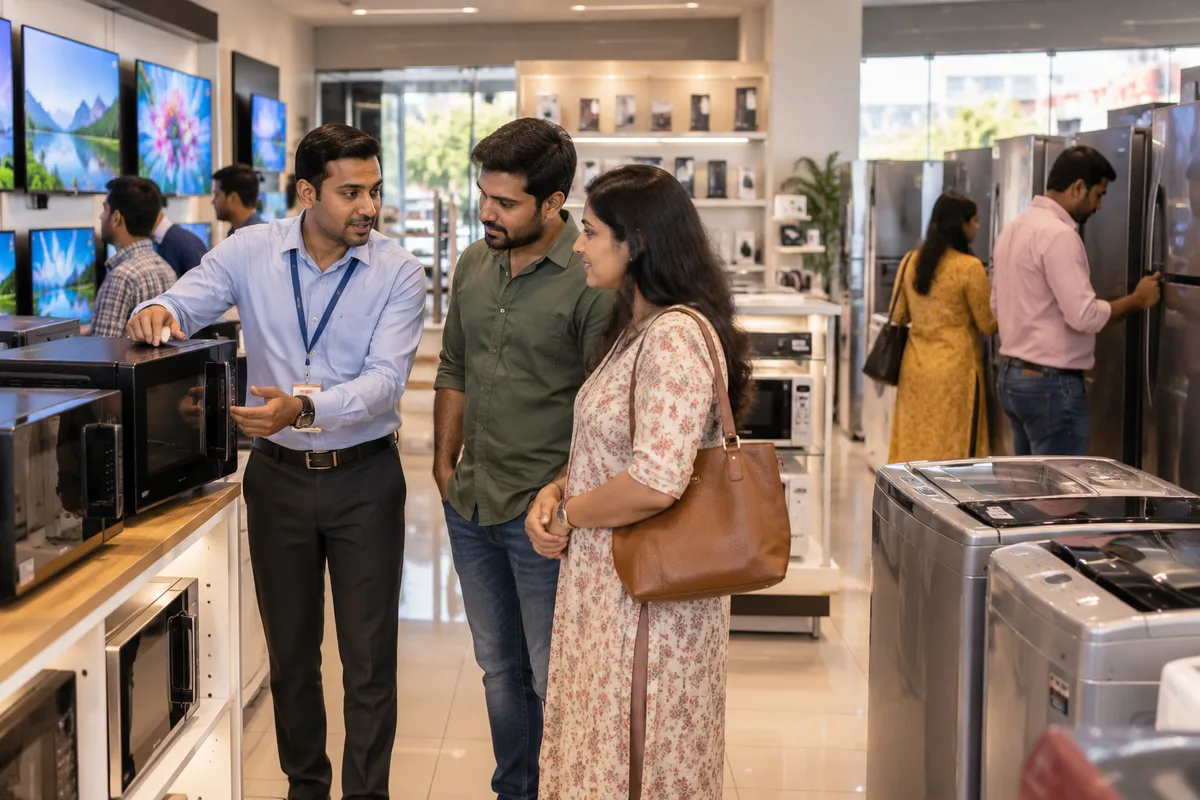
What CRM means
A CRM is the record where every enquiry, call and quote is kept against a customer, replacing separate notebooks, spreadsheets and memory. GullySales sets up or cleans an existing CRM and reports from it by enquiry outcome rather than by activity logged.
Last updated 14 Nov 2026.
For laptop stores
Where it usually goes wrong, and what we would do.
“Enquiries live in six phones and a register”
One salesperson holds the chat, another took the call and the owner has a note on paper. When the buyer returns, nobody can say what price was quoted or which model was shown.
“A laptop sale is a chain of visits”
The first visit is to look, the second to compare and the third to pay. A system that stores only the final bill misses the two visits that explain why the sale happened or did not.
“Warranty and purchase dates are customer data too”
A bill date is the start of the warranty and the end of it is the moment to sell an upgrade. If the date lives only on a paper bill, the shop never reaches the buyer at that moment.
“A tracker the sales staff skip is no better than a blank page”
A system with forty fields is filled in on the first day and ignored by the fifth. The fields must be few and must save staff time or they will not be used.
What we do
What we deliver for laptop stores.
The work available for this need. We agree the deliverables and responsibilities for your engagement in writing.
A short set of fields for each buyer
Name, number, use, budget, models shown, quote given and next step, with consent for messages recorded.
Result: Any staff member can pick up a conversation where it stopped.
Stages from enquiry to bill to after-sales
Named stages with a clear meaning, so the owner can see how many are waiting for a call back.
Result: You can see where enquiries stall.
Bill and warranty dates stored
Purchase date, model, serial reference and warranty end date saved for each sale.
Result: Warranty-end and upgrade messages can be planned from the record.
An import of existing contacts
Phones, registers and billing exports brought into one list and cleaned for duplicates.
Result: Existing customers are in the system from the start.
A counter routine for staff
A simple habit of recording each walk-in before they leave, written as a one-page guide.
Result: The record is completed during the visit, not from memory.
How the result is measured
- Enquiries logged in the CRM
- Data completeness
- Reports generated from CRM data
Recorded as a baseline before work starts, so every later report has an honest comparison.
Fields worth keeping
Keep the few fields that let anyone at the counter pick up the conversation.
- Buyer name and the number to call
- Filled at the first enquiry by whoever speaks to the buyer, so a colleague can call back without asking again.
- Use and budget range
- Two short fields filled at the counter, which let a callback open with the right shelf of laptops.
- Models shown or quoted
- Noted as the demo ends, so the follow-up refers to the machines the buyer actually saw.
- Decision date
- The date the buyer named, which sorts the day's call list so the nearest deadline comes first.
- Bill number and warranty end date
- Entered at billing, they open the way for an upgrade call or a service reminder.
- Office account and approver
- For bulk buyers, the person who signs and the person who uses, so the quote reaches both.
Who it is for
This is written for these laptop stores.
- Multi-brand laptop showrooms in city markets
- Brand-authorised laptop stores and resellers
- Gaming and creator laptop specialists
- Student-focused stores near colleges and coaching hubs
- Business laptop suppliers for small offices and professionals
- Premium laptop counters and Apple-authorised resellers
- Laptop stores with an in-house service desk
- Online-first laptop sellers with a pickup counter
Before you decide
When this may not be the right fit.
- Your enquiries are low in number and a diary covers them, so software would add effort with no gain yet.
- Staff will not enter data at the counter, and the first task is to agree who owns each field.
- You plan to store bank or card details in the notes, which a CRM should never hold.
Before you decide
Agree the work. Know how to judge it.
CRM for laptop stores: use these checks to prepare, choose the scope, and review what changes.
Bring the right evidence
List the records your team uses and show how an enquiry becomes an order today. Bring examples of duplicate entries, missing owners, and reports that require manual correction.
Make the scope clear
Agree the stages, required fields, access roles, and integrations before configuring the system. Separate software subscriptions from setup, data work, and training.
Check the work in use
Ask the people who will use the CRM to complete a real handover and find the next action without help. Check that the management report can be traced back to individual records.
Know when to change course
If the process is unclear, buying a more complex CRM adds more places for confusion. Start with the minimum fields and rules the team can use consistently.
These are discussion points, not a fixed package. GullySales confirms the deliverables, responsibilities, fee, and term in writing after reading your brief and speaking with you.
Before we start
What to have ready before the work starts.
The records, access and decisions this work needs from laptop stores. Anything missing is noted in the written scope, with who will supply it.
- The current register and billing export
- We need the notebook, the spreadsheet or the billing software export that holds customers now. It must be readable, not perfect. Without it, the CRM starts empty, and the first season is spent building the history instead of using it.
- Warranty and purchase dates for past sales
- Bill dates and the warranty period of each machine sold. These drive upgrade and service reminders. If the dates are missing, the CRM stores them from the day work begins and reminders start later.
- A decision on who owns the data
- One named person, preferably you or the shop manager, who can export, correct and delete records. When a salesperson leaves, the contacts must stay. Without a named owner, the record ends up in a personal login.
- Staff willing to test with real contacts
- Two salespeople who will use the test version at the counter for a short stretch. Their feedback decides the fields. If nobody can be spared, we test alone and the first live week carries more correction.
- Your rule on customer details to store
- Decide what must stay out of the record, such as identity numbers and card details. Check with your own adviser what the law expects of you about consent and storage. Without the rule, staff type whatever they hold and the record becomes a risk.
How it works
How the CRM work runs
The work itself, in order. How an engagement starts, from your brief to a written scope, is set out on our method page.
- 1
Trace one laptop sale from enquiry to warranty
We take three recent sales and follow each from the first message through visits, quote, bill, set-up and the first service call. You tell us who touched the customer at each point. That trace gives the stages the record must hold, and it exposes the points where information currently lives in a personal phone or a register.
- 2
Choose the fields and cut the rest
We agree a short list of fields: name, number, use, budget, model asked, model bought, bill date, warranty end and who spoke to them. We leave out anything your staff will not fill in. You decide which of these are required at the counter and which can wait until the follow-up call.
- 3
Set up a test copy with ten real contacts
We build the record in a test space and load ten of your real contacts, with their bills. Your staff add a new enquiry and move one through the stages. You see whether the view matches how the counter thinks, and we change field names that your salespeople read differently, so the labels on screen are the words the counter already speaks.
- 4
Bring in the old contacts and mark duplicates
We import the numbers held in the register, the billing software and the shop phones, and merge the duplicates. Customers who asked not to be contacted are marked. You decide which old lists are worth bringing in, and we leave out numbers with no purchase or enquiry record.
- 5
Train the counter on a ten-second habit
We agree the one action every salesperson makes at the end of a conversation: open the contact, note the use and budget, set the next call. We practise it with the staff on real enquiries. You set the rule that a bill is not closed until the record is updated.
- 6
Switch over and read the record against the old
On the day we switch, the register stops and the CRM becomes the only record. After a trial period, we compare enquiries logged, bills traced to an enquiry and warranty dates stored against the figures taken in the first step. You decide who owns the data from then on.
Where this fits
Three pieces of sales work, in this order.
This work sits inside sales management. A target, a review routine and someone who owns the number.
Step 1
Sales audit
Find where deals are being lost and what to fix first.
Start here if you cannot say where orders are lost.
Step 2
Sales process design
One written way to sell, from first enquiry to repeat order.
Start here if every salesperson sells differently.
Step 3 · you are here
Sales management
A target, a review routine and someone who owns the number.
Start here if the team has targets and no routine.
FAQ
Questions owners ask before they call.
Not here? More answers, or ask on WhatsApp.
Do we need special software?
Is storing customer numbers allowed?
What if staff refuse to enter data?
Which customer details must stay out of the CRM?
Can the counter begin on a spreadsheet and switch afterwards?
What happens to the contacts in my personal phone?
How much does it cost?
How long is the contract?
How soon will we see results?
Who will actually do the work?
More for laptop stores
Related work to consider.
Closest to this: leads and follow-up
Also for laptop stores
Or start from the overview: sales and marketing for laptop stores.
Your next practical step
Tell us what you are trying to grow, and we will read it before we call.
Eight short steps, mostly taps. Skip anything you would rather answer on the call.