Laptop stores · Local SEO
Be the laptop shop the map shows when a buyer nearby wants to hold the machine first.
Local SEO for a laptop store is the work of appearing in the map results when someone nearby searches for laptops, laptop shops or a brand's dealer. GullySales works on the Google Business Profile, the stock described on it and the reviews that sit beside your name.
Scope, fee, reporting and term are agreed in writing after we have read your brief and spoken to you.
What local SEO means
Local SEO is the work of making your business show up for searches that name your town or locality, such as a service plus an area name. GullySales sets up locality pages, local citations and map listings so nearby customers find you before a competitor across town.
Last updated 14 Nov 2026.
For laptop stores
Where it usually goes wrong, and what we would do.
“The buyer wants to touch the keyboard before paying”
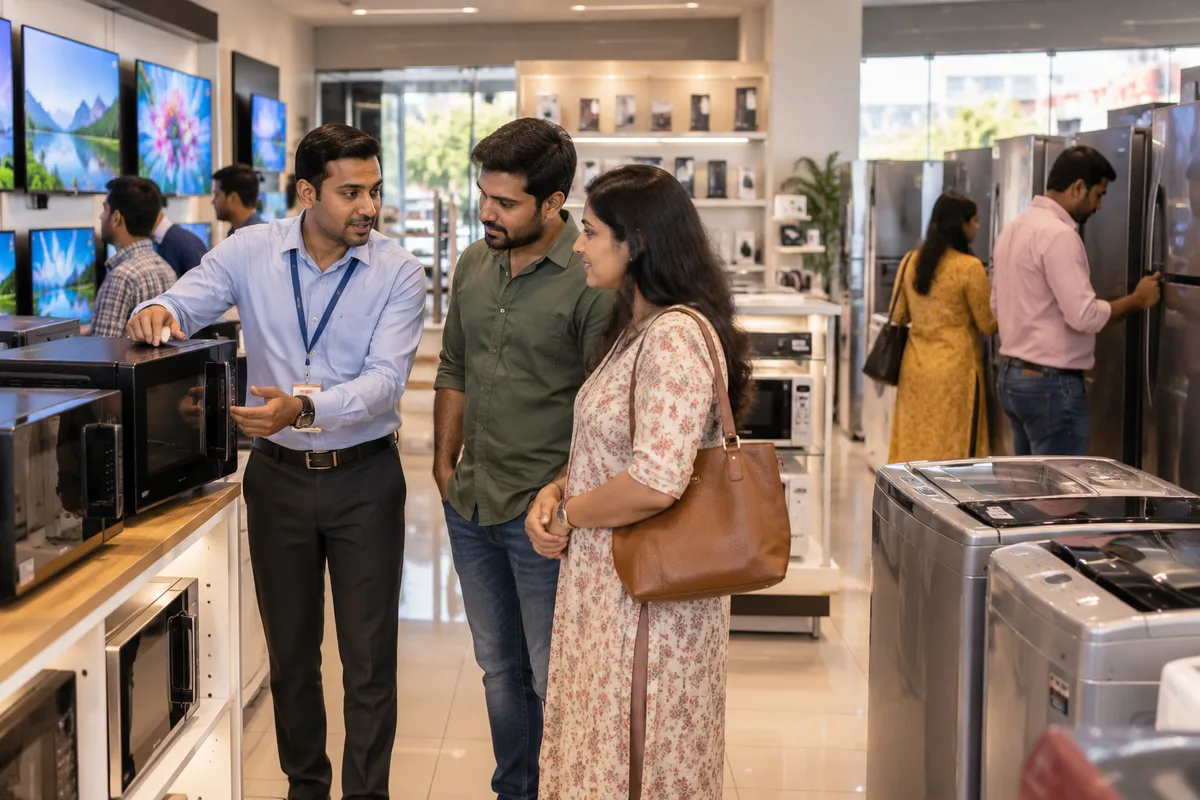
Some people buy a laptop online and regret the keyboard. The map search is the buyer saying they want to see it in person, and the store that shows its brands, its hours and its counter photographs gets the visit.
“The listing says laptop shop and nothing about what is inside”
A student wants a budget machine, a gamer wants a graphics card and an office wants twenty identical units. If the profile does not say which brands and uses you serve, the searcher cannot tell which shop to go to.
“Authorised dealer status is a reason to choose you, if it is shown”
Buyers worry about grey-market stock and warranty disputes. A listing that names the brands you are authorised for, with the bill and warranty process explained, answers that worry before the buyer phones.
“Reviews about service decide the shop that sold the laptop”
A laptop is bought once and serviced for years. A review that says the shop helped when the charger failed counts for more with the next buyer than a review about the price.
What we do
What we deliver for laptop stores.
The work available for this need. We agree the deliverables and responsibilities for your engagement in writing.
A Google Business Profile that says what you stock
Categories, services and description written around the brands, uses and business buyers you serve, with products added where the listing allows.
Result: The profile answers what you sell without a phone call.
Counter and display photographs
Photographs of the demo wall, the billing counter and the service desk, taken in the shop as it looks on a normal day.
Result: A buyer can recognise the shop on arrival.
Hours, holiday hours and festival timings
Opening times set for market closures, festival sales and the admission rush.
Result: The listing is open when the buyer searches.
A review request at the set-up stage
A short ask made once the laptop is working and the buyer is happy, with the link ready to tap.
Result: New reviews come from people who have used the shop's help.
Replies to reviews about service and billing
Written replies that deal plainly with a warranty, repair or billing complaint.
Result: A hesitant buyer sees a problem answered in public.
Call and direction counts watched
The listing's own counts of calls, direction requests and website taps recorded before and after changes.
Result: The listing's own counts show whether shoppers then walk into the store.
How the result is measured
- Map pack ranking
- Local search visibility
- Enquiries by locality
Recorded as a baseline before work starts, so every later report has an honest comparison.
Searches your buyers type
Let the map answer the buyer who wants to try the keyboard before paying.
- laptop showroom near me
- The profile's description naming the brands on the shelf and the demo area, so the listing matches the buyer's expectation.
- authorised laptop dealer in [area]
- A line and a photograph of the authorisation shown at the counter, only for brands that have authorised the shop.
- laptop shop open on sunday
- Accurate hours on all days and festival days, since buyers visit on a holiday after a search.
- laptop store near [college]
- A line naming the college or market road, and a map pin placed on the entrance.
- laptop exchange offer near me
- A post on the profile with the exchange terms the store really offers, and the date the post was last checked.
- laptop store reviews
- Replies to every review that mention the product range sold, the bill and the service, without private details.
Who it is for
This is written for these laptop stores.
- Multi-brand laptop showrooms in city markets
- Brand-authorised laptop stores and resellers
- Gaming and creator laptop specialists
- Student-focused stores near colleges and coaching hubs
- Business laptop suppliers for small offices and professionals
- Premium laptop counters and Apple-authorised resellers
- Laptop stores with an in-house service desk
- Online-first laptop sellers with a pickup counter
Before you decide
When this may not be the right fit.
- Your authorisation with a brand has lapsed or is unclear, and the listing must not carry a claim you cannot show.
- Your hours change by season and nobody updates them, so a more visible listing would send buyers to a closed shutter.
- You have two stores sharing one phone number, and the listings would confuse callers about which shop to visit.
Before you decide
Agree the work. Know how to judge it.
Local SEO for laptop stores: use these checks to prepare, choose the scope, and review what changes.
Bring the right evidence
Confirm the real business address, service area, contact details, and who controls the business listings. Keep examples of calls that came from the wrong location or asked for a service you do not provide.
Make the scope clear
Choose the locations you actually serve and the information each needs. Agree who approves listing changes, responds to enquiries, and keeps opening hours accurate.
Check the work in use
Check the journey from a local search to a call or enquiry on a phone. The address, service area, and description should agree across your website and listings.
Know when to change course
Do not create an office claim for a place where you only serve customers remotely. Clear service coverage is more useful than a misleading local presence.
These are discussion points, not a fixed package. GullySales confirms the deliverables, responsibilities, fee, and term in writing after reading your brief and speaking with you.
Before we start
What to have ready before the work starts.
The records, access and decisions this work needs from laptop stores. Anything missing is noted in the written scope, with who will supply it.
- Owner access to the map listing
- We need the profile managed from an account the owner controls. If a former vendor holds it, a verification request must be raised first. Without access, nothing on the listing can be edited and the work stops at the claim.
- Papers proving authorised dealer status
- A dealer letter or certificate from each brand lets us state authorisation correctly. We do not copy the document onto the profile. If you have none, the listing says you sell the brand and does not use the word authorised.
- Festival and holiday opening hours
- A short list of days the shop opens late, closes early or shuts. Wrong hours send buyers to a locked door and earn the review that hurts worst. Without the list we enter normal hours only and flag the gap.
- The address details of a second shop
- If you run two counters, each needs its own exact address, floor and landmark so the listings do not compete. Without these details we handle one profile and leave the second untouched.
- A rule for answering service complaints
- Decide who replies to a review about a repair or a brand fault, and what the shop offers. Only you can set that. If it is missing, we draft holding replies that point to the service desk and do not argue the fault.
How it works
How the local SEO work runs
The work itself, in order. How an engagement starts, from your brief to a written scope, is set out on our method page.
- 1
Pick the branches and confirm ownership
We list every counter, warehouse and pickup point that a buyer could visit, and mark which ones already have a map listing. You tell us which are real shops with a signboard and which are only godowns. We then confirm who owns each profile, because a listing started by a former employee or an old agency must be claimed before anything changes.
- 2
Photograph the display wall and service desk
We arrange a visit to take pictures of the signboard, the display wall of working machines, the billing counter and the service desk. A buyer who wants to touch a keyboard looks for proof that you let them. You choose which brands and authorised-dealer boards appear in frame, and we avoid showing any customer's screen or details.
- 3
Write the profile around what you stock
We draft the business description, the services list and the product entries so the listing states the brands, the uses and the finance you offer. You sign off every claim about authorised-dealer status and warranty, because the profile must match the shop's papers. We enter holiday hours for the festivals when your counter opens late or closes.
- 4
Check name, address and phone across the web
We compare the shop details on the map, the website, the marketplace listings and the directories your buyers use. Any mismatch in the address, a shifted floor number, or an old phone number is noted and corrected. You confirm which number should ring at the counter, so calls from the profile reach a person, not a switched-off phone.
- 5
Set the review ask at billing and set-up
We design a short review request that the salesperson gives when the laptop is handed over and set up, since that is when the buyer is happiest. We prepare replies for praise and for complaints about billing or service. You decide who replies, and a complaint about a brand's fault is answered politely with a service route, not an argument.
- 6
Read calls and directions against the baseline
At the start we record the calls, direction requests and website taps shown on the profile. After the changes, we read the same figures again and set them beside walk-ins that buyers say came from the map. You see which photographs and entries drew action, and we agree what to change next.
Where this fits
Three pieces of sales work, in this order.
This work sits inside sales process design, at stage 1, prospecting and lead generation. The audit comes before it, and sales management keeps it running.
Step 1
Sales audit
Find where deals are being lost and what to fix first.
Start here if you cannot say where orders are lost.
Step 2 · you are here
Sales process design
One written way to sell, from first enquiry to repeat order.
Start here if every salesperson sells differently.
Step 3
Sales management
A target, a review routine and someone who owns the number.
Start here if the team has targets and no routine.
FAQ
Questions owners ask before they call.
Not here? More answers, or ask on WhatsApp.
Should our profile list individual laptop models?
We have two shops. Do they need two listings?
Can we answer a negative review about a brand's fault?
May we show brand logos on the profile?
Should the profile list individual laptop models by name?
How do we respond to a review that blames us for a brand's defect?
How much does it cost?
How long is the contract?
How soon will we see results?
Who will actually do the work?
More for laptop stores
Related work to consider.
Closest to this: search and visibility
Also for laptop stores
Or start from the overview: sales and marketing for laptop stores.
Your next practical step
Tell us what you are trying to grow, and we will read it before we call.
Eight short steps, mostly taps. Skip anything you would rather answer on the call.