Organic food stores · Shopify store design and setup
Let a household order millets and oils from a store that shows where each came from.
For an organic food store, a Shopify store is the place where a family checks a product's source, picks a pack size and orders without a message exchange. GullySales designs the product pages around your sourcing records, sets up delivery by locality and payment, and tests every order path before it opens.
Scope, fee, reporting and term are agreed in writing after we have read your brief and spoken to you.
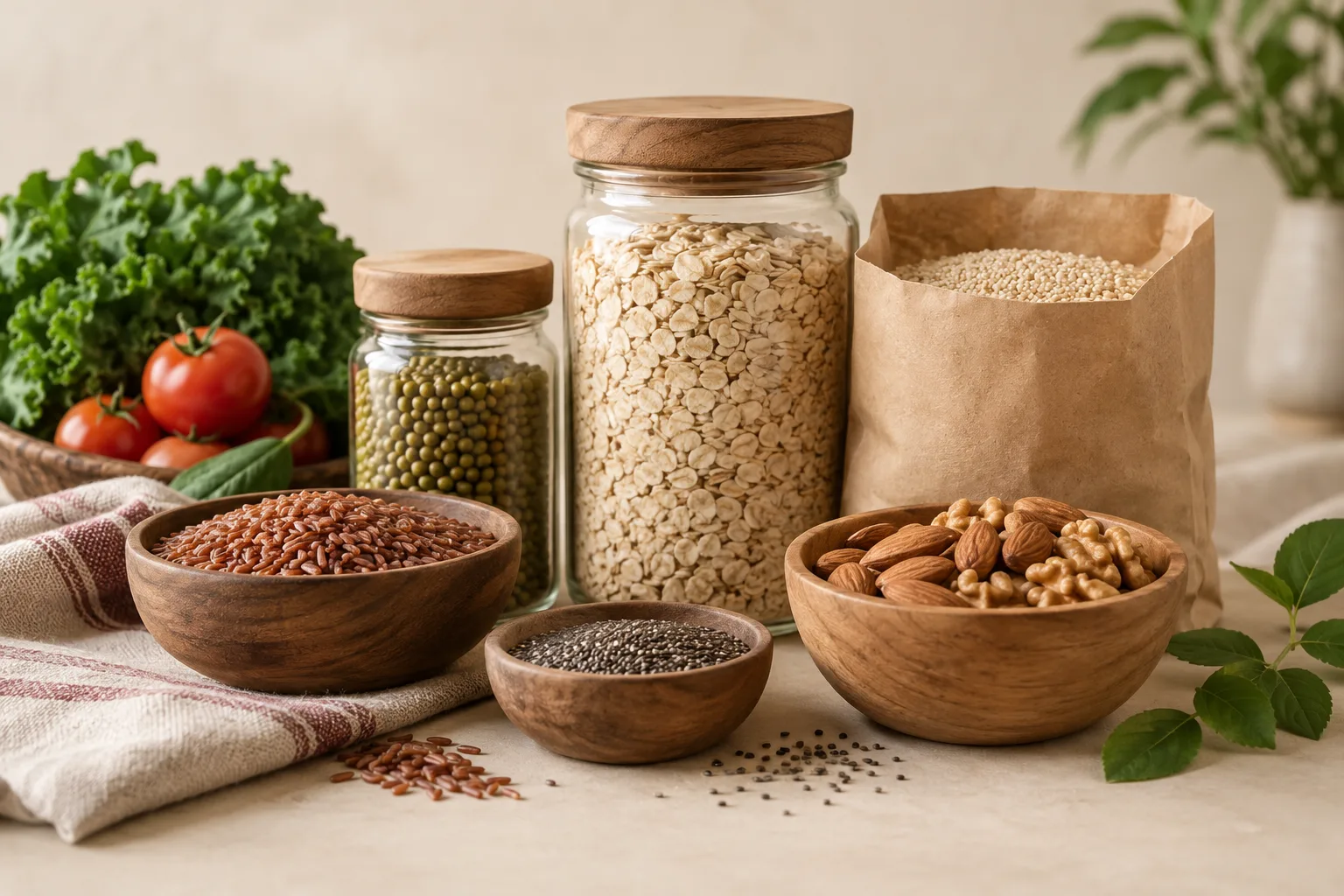
What shopify store design and setup means
Shopify store design and setup turns your product range into an online shop with product pages, checkout, and order handling. GullySales designs the store around how your buyers choose and pay, configures shipping and GST invoicing with your advisers, and trains your team to manage products and fulfil orders.
Last updated 14 Nov 2026.
For organic food stores
Where it usually goes wrong, and what we would do.
“A product page has to carry the sourcing, not just the picture”
A shopper paying more for cold-pressed oil or millets wants to know who grew it, who packed it and which certificate stands behind the word organic. Today those answers sit with the owner and are given over WhatsApp. A store page that holds the supplier's name, the pack date and the certificate reference answers the question once, in the place the buyer is already looking, and the counter team stops repeating a half-remembered story.
“Fresh produce and packed staples behave differently in a store”
Dry staples sit on the shelf and can be sold at any hour. Leafy vegetables and fruit spoil, arrive in small lots and sell out by the afternoon. A single stock count treats them alike and the store sells vegetables it does not hold. The design has to separate fresh lines, with their own availability and cut-off times, from packed goods, so a family is never charged for a bunch of spinach that was gone at noon.
“Delivery is a handful of localities, not a national courier map”
A neighbourhood organic store delivers in a few apartment communities and nearby streets, using its own rider or a local delivery partner. A default national shipping setup offers rates the shop cannot serve and refuses addresses it could easily reach. Zones drawn by postal code and locality, with minimum order values and cash on delivery where the rider can collect, match how the shop really delivers.
“Claims on the page are limited by the certificate in your file”
Words like organic, natural, pesticide-free or chemical-free are controlled by certification and labelling rules that your certifying body and your adviser can explain. A store page that repeats a farmer's promise without a certificate behind it creates a risk for the owner. The product pages therefore state only what the supplier's papers support, and anything doubtful is held back until the certifying body or adviser has approved the wording.
What we do
What we deliver for organic food stores.
The work available for this need. We agree the deliverables and responsibilities for your engagement in writing.
Collections built around how a household shops
A structure of collections for staples, oils, flours, jaggery and sweeteners, pulses, spices, fresh produce and gift baskets, with phone-friendly navigation. Names are the ones a buyer would type, not your internal stock codes. You review the structure against a real shopping list before the catalogue is loaded.
Result: A person can find millets, oil and a vegetable basket from the home page without asking your team what a collection is called.
Product page layout with a sourcing block
A page pattern with space for the farm or supplier, the pack size and its variants, the pack or harvest date where you hold it, how to store and cook the item, and a line for the certificate reference you can show. The first few pages become the model for the rest of the range.
Result: Each product page shows a source and a certificate line that you have checked against the paper in your file.
Pack-size variants and fresh-stock rules
Variants set up for each pack weight or volume, with their own prices and stock, and a separate treatment for fresh produce that carries its own availability and ordering cut-off. A line that has sold out stays visible but cannot be ordered. You confirm every price and quantity on the sheet before upload.
Result: A fresh item that has run out cannot be added to a basket, and every variant shows the price on your approved sheet.
Local delivery zones and payments
Delivery areas drawn by postal code and locality, with the minimum order, the handling charge and the delivery slots your rider can keep. Payment methods go through your own gateway account, with cash on delivery where you choose to offer it. Test orders confirm that each method and each zone behaves as written.
Result: A test order from a served locality completes, and an order from an unserved address is refused with a clear message.
Invoice, policy and label wording for review
A sample invoice carrying your legal name and tax registration, and draft pages for refunds, spoilage, delivery and privacy written from Shopify templates and your decisions. Your adviser reviews all of it. Food labelling and certification wording is left to your certifying body and adviser, not to us.
Result: Your adviser has read the invoice and every policy page, and the published wording matches what was approved.
Order messages and the standing basket
Order confirmation and dispatch messages in your voice, with the delivery slot repeated back to the buyer. For families who reorder the same basket, we set out how a repeat order is handled, whether by a reminder message or by an app you choose together, and write down who owns it after launch.
Result: A family receives a clear confirmation and a dispatch message, and your team knows who handles a repeat basket.
How the result is measured
- Orders placed by recorded source, separate from visits and clicks
- Add-to-cart and checkout completion rates
- Paid orders and fulfilled orders, separate from orders merely placed
Recorded as a baseline before work starts, so every later report has an honest comparison.
Who it is for
This is written for these organic food stores.
- Single-shop organic stores in residential localities
- Organic stores that also run a small cafe or a cold-press oil counter
- Farm-direct stores that source from one or two named farmer groups
- Millet and traditional grain shops
- Organic stores that sell by weekly basket or subscription
- Stores inside gated communities that deliver to residents
- Small chains of organic stores in one city
- Organic stores that supply restaurants, cafes and hostels
Before you decide
Agree the work. Know how to judge it.
Shopify store design and setup for organic food stores: use these checks to prepare, choose the scope, and review what changes.
Bring the right evidence
Choose a product group and follow its journey from the product page to delivery. Review cancelled orders and returns alongside completed purchases, with customer details removed.
Make the scope clear
Agree which catalogue items, payment steps, and sales channels are included. Account for fulfilment costs and returns when deciding what acquisition spend the order can support.
Check the work in use
Test a purchase on mobile, including the address, delivery charge, payment failure, and confirmation. For trade orders, test quotation requests and minimum-order information as well.
Know when to change course
If stock or delivery promises are unreliable, resolve those first. Increasing paid traffic to unavailable products wastes budget and creates avoidable complaints.
These are discussion points, not a fixed package. GullySales confirms the deliverables, responsibilities, fee, and term in writing after reading your brief and speaking with you.
Before we start
What to have ready before the work starts.
The records, access and decisions this work needs from organic food stores. Anything missing is noted in the written scope, with who will supply it.
- The range in a single sheet
- The catalogue is built from one structure: names, pack sizes, prices, stock and the supplier for each line. A rough spreadsheet will do. If the range lives only in chats and shelf photographs, building that sheet becomes the first piece of work, and the design waits until it is finished.
- Supplier and certificate papers
- The sourcing block on each product page must be backed by something you can show. Keep each supplier's certificate, farm details and any pack or harvest dates in one place. Where the paper is missing, the page says only what is plainly true, and the claim is held until your certifying body has confirmed it.
- Photographs of the actual packs
- Buyers compare the page with the pack that arrives. Photographs of each real pack and a few pictures of the shelf or the farm give the page its first impression. If images are unsuitable or missing, product pages carry placeholders and the store cannot open with any confidence in its look.
- The localities and slots you can serve
- Delivery settings reflect what your rider and vehicle can reach. List the apartment communities and streets, the delivery slots and the minimum order that makes a trip worth it. Without this list, zones are guesses, and buyers are offered delivery to places your team cannot reach.
- A payment account in your own name
- Payments must settle into an account you own, and the provider's checks run on their own schedule. Your team opens it and shares the access we need to test. Until it is ready, checkout is tested with sample payments only and the store stays closed to real households.
How it works
How the shopify store design and setup work runs
The work itself, in order. How an engagement starts, from your brief to a written scope, is set out on our method page.
- 1
Range, suppliers and the way orders arrive now
We read your brief and talk through how families order today: a message in a community group, a picture of the shelf, a call to the counter. We note which lines are packed and which are fresh, and which suppliers you buy from. You approve the scope, the fee and the term in writing before any design work begins.
- 2
Product sheet and certificate file
You send the range in one sheet, with names, pack sizes, prices, stock and the supplier for each item. Certificates and supplier details stay in your file; we only read what the page will state. Gaps are listed, and a product with no paper behind a claim goes live with plain wording or waits.
- 3
Page design on the first collections
We build the home page and representative pages for an oil, a flour and a fresh item, with the sourcing block in place. You review them on a phone first, because households will order there, and you approve the pattern before the remaining catalogue follows it.
- 4
Delivery zones, payments and invoice sign-off
You give us the localities your rider serves, the slots, the minimum order and your payment account. We set zones and gateway methods, then test each with sample orders. Your adviser reviews the sample invoice and the policy pages, and any change they ask for is made before the store can open.
- 5
Test orders from a household's seat
We place orders as a household would: a packed staple, a fresh item that has sold out, an order from an unserved street, a cash on delivery order and a refund. Messages and statuses are checked at every step. Anything that confuses the buyer or leaves your team without a clear next action is corrected.
- 6
Opening, handover and a reading of the first orders
The approved store opens and your team takes over the running: stock counts, fresh availability and dispatch. Paid orders, placed orders and abandoned baskets are recorded against the figures you held before the work, so the first orders can be read plainly. Support after launch is written down, never assumed.
Where this fits
Three pieces of sales work, in this order.
This work sits inside sales process design, at stage 1, prospecting and lead generation. The audit comes before it, and sales management keeps it running.
Step 1
Sales audit
Find where deals are being lost and what to fix first.
Start here if you cannot say where orders are lost.
Step 2 · you are here
Sales process design
One written way to sell, from first enquiry to repeat order.
Start here if every salesperson sells differently.
Step 3
Sales management
A target, a review routine and someone who owns the number.
Start here if the team has targets and no routine.
FAQ
Questions owners ask before they call.
Not here? More answers, or ask on WhatsApp.
Do we need a Shopify store if families already order on WhatsApp?
Can the store say that our products are organic?
How does the store handle vegetables that sell out?
Can we deliver only to our own neighbourhood?
Is cash on delivery a good idea for a store like ours?
Are subscriptions or a standing basket included?
How much does it cost?
How long is the contract?
How soon will we see results?
Who will actually do the work?
More for organic food stores
Related work to consider.
Closest to this: search and visibility
Also for organic food stores
Or start from the overview: sales and marketing for organic food stores.
Your next practical step
Tell us what you are trying to grow, and we will read it before we call.
Eight short steps, mostly taps. Skip anything you would rather answer on the call.