Watch stores · Lead generation
Turn a buyer's brand search into a visit to your counter.
Lead generation for a watch store is the work of getting a person who is weighing a specific watch, strap or gift to ask you about it. GullySales works on the brand and model pages, the shop listing and the enquiry routes that bring that person to the counter or the chat.
Scope, fee, reporting and term are agreed in writing after we have read your brief and spoken to you.
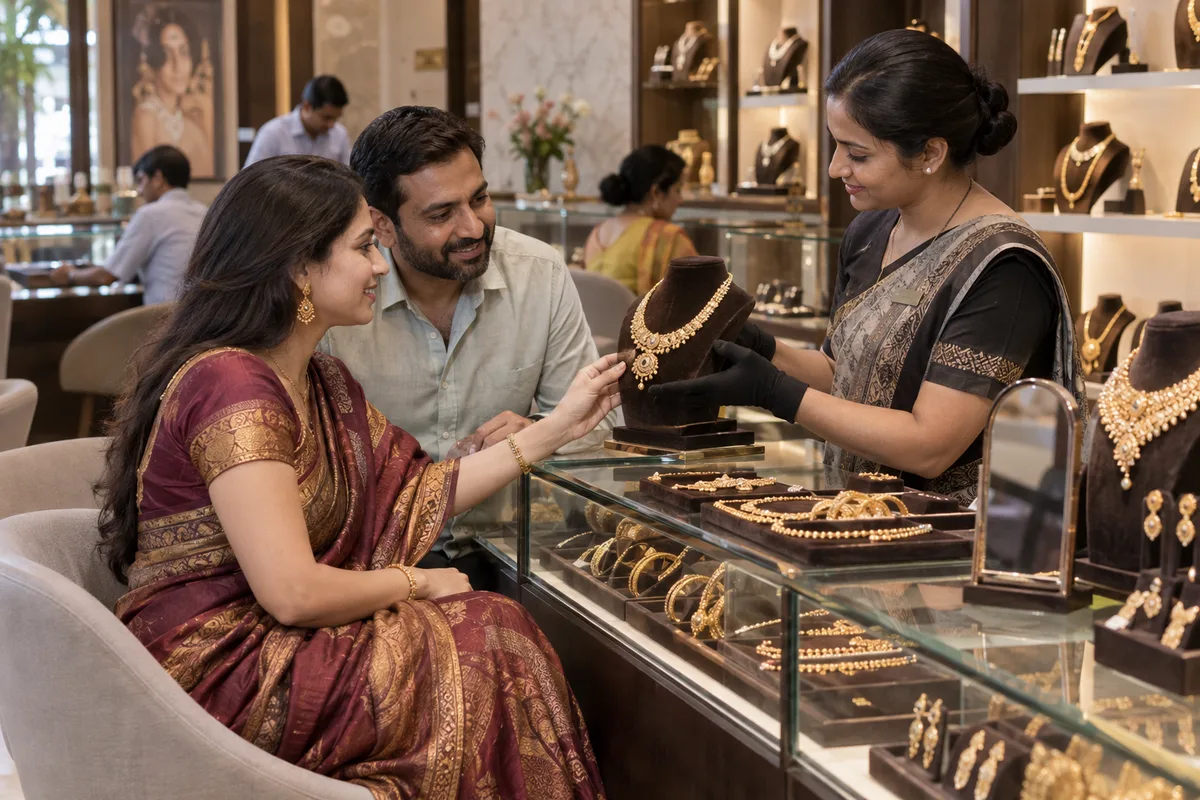
What lead generation means
Lead generation is the combined work of every channel that brings in a new enquiry, whether from search, adverts, referrals or a stall at an exhibition. GullySales runs these channels together and reports the number of enquiries each one produced, not the activity behind it.
Plan the next part of the work
Last updated 21 Nov 2026.
For watch stores
Where it usually goes wrong, and what we would do.
“The buyer arrives with a brand and a budget”
A gift buyer or a first-salary buyer has settled on a name before reaching any shop. The enquiry goes to whoever shows that brand, the dealer status and a range near the budget.
“Walk-ins are not a lead until someone writes them down”
A family tries on six watches and leaves to think. Without a name, a number and the model they liked, the shop has no way to continue a conversation that was nearly a sale.
“Corporate gifting enquiries sit in a notebook”
An office asking for forty watches for an anniversary wants a quote, a sample and a date. If the quote waits behind the counter queue, another dealer replies first.
“Service customers are leads for the next watch”
A person who brings a watch for a battery or strap change already trusts the shop. Their visit is the best moment to ask what they may buy next.
What we do
What we deliver for watch stores.
The work available for this need. We agree the deliverables and responsibilities for your engagement in writing.
Brand and model enquiry pages
One page for each brand you are authorised for, naming the models in stock, the warranty route and the service desk, each with a clear way to ask.
Result: You can see which brand pages produce enquiries.
A single enquiry form for gifts
Occasion, budget and the date needed, asked in three fields, so the counter knows what to show before the buyer arrives.
Result: Each gift enquiry reaches the counter with a budget and a date.
Corporate gifting quote route
A short page and a request form for bulk orders, with the details a quote needs: quantity, budget, engraving and delivery date.
Result: Bulk requests arrive complete instead of as a vague call.
Walk-in capture at the counter
A simple record of name, number, the model liked and the reason for waiting, kept with the buyer's consent.
Result: A shortlisted model can be followed up by name.
Source tag on every enquiry
The counter notes whether the person came from search, a post, a message or a walk-in, using one set of words for everyone.
Result: You can tell which route to put effort into next.
How the result is measured
- Relevant enquiries by source
- Duplicate and unsuitable enquiries
- Time to the first response
- Accepted enquiries reaching an agreed next step
Recorded as a baseline before work starts, so every later report has an honest comparison.
What to capture or send
What to write down when a buyer names a brand and a budget.
- Brand and model asked for
- Take it from the enquiry in the buyer's words. It tells the counter which watch to keep out before the visit.
- Budget stated
- Record the figure the buyer gave, or the range. A buyer with a firm figure is shown three pieces, not the whole case.
- For whom, and the date
- A gift for a spouse's birthday or a first-salary watch. The date decides how early you call back.
- Strap size or wrist note
- Asked by phone before the visit. Saves a trip where the model suits the taste and not the wrist.
- Corporate gifting quantity
- A company buyer asks for a count and a date. Log it as its own lead, since it needs a quote, not a counter visit.
Who it is for
This is written for these watch stores.
- Multi-brand watch retailers
- Authorised dealers for one or two brands
- Premium and luxury watch showrooms
- Pre-owned and vintage watch dealers
- Smartwatch and wearable retailers
- Watch repair and service workshops that also sell
- Airport and mall kiosks
- Gift-focused stores with watches as the main line
Before you decide
When this may not be the right fit.
- Your counter staff cannot answer a call or message within the working day, so more enquiries would only be lost.
- You carry no stock of the brand a buyer asks for, and a lead drawn by that name would end at a refusal.
Before you decide
Agree the work. Know how to judge it.
Lead generation for watch stores: use these checks to prepare, choose the scope, and review what changes.
Bring the right evidence
Define the organisations or buyers you can serve and the reasons they would consider a conversation. Bring examples of accepted and rejected prospects so the selection rule is visible.
Make the scope clear
Agree the research sources, contact approach, qualification rules, and handover. Clarify which meetings count as accepted and what happens to replies that are not ready to buy.
Check the work in use
Review why a prospect was selected and what was learned from the response. Count held, relevant conversations separately from contacts found, messages sent, or meetings booked.
Know when to change course
If the same objection appears repeatedly, adjust the offer or buyer group before increasing outreach. Respect a request to stop contact and keep the exclusion in the record.
These are discussion points, not a fixed package. GullySales confirms the deliverables, responsibilities, fee, and term in writing after reading your brief and speaking with you.
Before we start
What to have ready before the work starts.
The records, access and decisions this work needs from watch stores. Anything missing is noted in the written scope, with who will supply it.
- The counter notebook or message screenshots
- Any record of what buyers asked for in the last season, even a few torn pages or phone screenshots with names covered. It shows which brands and models draw enquiries. If nothing exists, the baseline is built from the manager's memory and marked as rough.
- Your current brand list with dealer status
- A list of brands you stock, with the status you hold for each, whether authorised dealer or multi-brand seller. The enquiry pages must not claim more than the papers allow. If the list is unclear, we write pages for the brands you confirm and leave the others out.
- A named person for corporate gifting
- Someone who can send a quote to an office buyer and follow it up, with time to do so. Corporate enquiries sit longest in notebooks. If no one is named, the owner receives them, and we flag the risk when the owner is busy on the floor.
- The festival and gifting dates you plan around
- A note of the seasons when gift and wedding purchases rise in your shop, in your own words. Lead capture is timed to these. Without it, we plan around general calendar dates and ask you to correct us.
- A way for staff to record walk-ins
- A phone, a tablet or a printed sheet kept at the counter, and the agreement of the staff to use it. An unused tool is worse than none. If the staff are doubtful, we begin with a sheet and move to a screen only when they ask.
How it works
How the lead generation work runs
The work itself, in order. How an engagement starts, from your brief to a written scope, is set out on our method page.
- 1
Read the counter notebook and phone log
We begin with whatever the counter staff already write down: the notebook of walk-in names, the phone log, the screenshots of messages asking for a model. We note which brands buyers named, which were asked about but not stocked, and which enquiries have no name against them at all. You tell us which of these are real enquiries and which were only price checks.
- 2
Decide how many enquiries the counter can handle
With your manager we work out how many extra enquiries the staff on the floor can answer well, given the brands you stock, the service desk and the festival rush. You decide the limit and the brands you want to push first. Lead work that outruns the counter only produces unanswered messages, so we fix this boundary before any form is built.
- 3
Write the questions that open a gift enquiry
We draft the few questions that turn a vague request into a lead: who the watch is for, the occasion, the budget band in the buyer's own words, and the brand if known. You approve the wording, and the counter learns to ask them in the same order on the phone, on the form and on WhatsApp. Corporate gifting gets its own short set.
- 4
Set up the enquiry form and the counter capture
We build one enquiry form for brand pages and gifts, a quote request for corporate buyers, and a simple way for staff to record a walk-in without slowing the sale. Every entry carries a source tag. You choose who receives each type of enquiry and who covers when that person is on the floor with a customer.
- 5
Send a test enquiry through each route
We send test enquiries through the form, the phone and the message number, in the guise of a gift buyer and a corporate buyer, and follow each to the person who answers. We note what was said, how long the staff spent on the reply and whether it was recorded. You see the gaps, and we close them before launch.
- 6
Read sources against the counter's own count
Before the work began we recorded how many enquiries arrived by phone, message and walk-in. Now we read the new enquiries by source and brand against that record, together with the counter's account of visits and sales that followed. You decide which sources deserve more attention. The reading shows what the shop is receiving; it promises no volume.
Where this fits
Three pieces of sales work, in this order.
This work sits inside sales process design, at stage 1, prospecting and lead generation. The audit comes before it, and sales management keeps it running.
Step 1
Sales audit
Find where deals are being lost and what to fix first.
Start here if you cannot say where orders are lost.
Step 2 · you are here
Sales process design
One written way to sell, from first enquiry to repeat order.
Start here if every salesperson sells differently.
Step 3
Sales management
A target, a review routine and someone who owns the number.
Start here if the team has targets and no routine.
FAQ
Questions owners ask before they call.
Not here? More answers, or ask on WhatsApp.
Should we generate leads for every brand we stock?
Do we need an online catalogue to get leads?
How do we avoid chasing buyers who only want a price?
Can a watch store collect leads while respecting brand rules?
What if the brand does not allow online enquiries?
Who should call back an enquiry, the owner or the counter staff?
How long is the contract?
How soon will we see results?
Who will actually do the work?
What do you need from us?
More for watch stores
Related work to consider.
Closest to this: leads and follow-up
Also for watch stores
Or start from the overview: sales and marketing for watch stores.
Your next practical step
Tell us what you are trying to grow, and we will read it before we call.
Eight short steps, mostly taps. Skip anything you would rather answer on the call.