Watch stores · Search engine optimisation
Be the page a buyer lands on when they search a watch by brand and model.
SEO for a watch store is the work of making your brand, model and service pages appear when a buyer searches for them by name. GullySales works on page structure, product information and the words a buyer types, so the shop is findable beyond its own street.
Scope, fee, reporting and term are agreed in writing after we have read your brief and spoken to you.
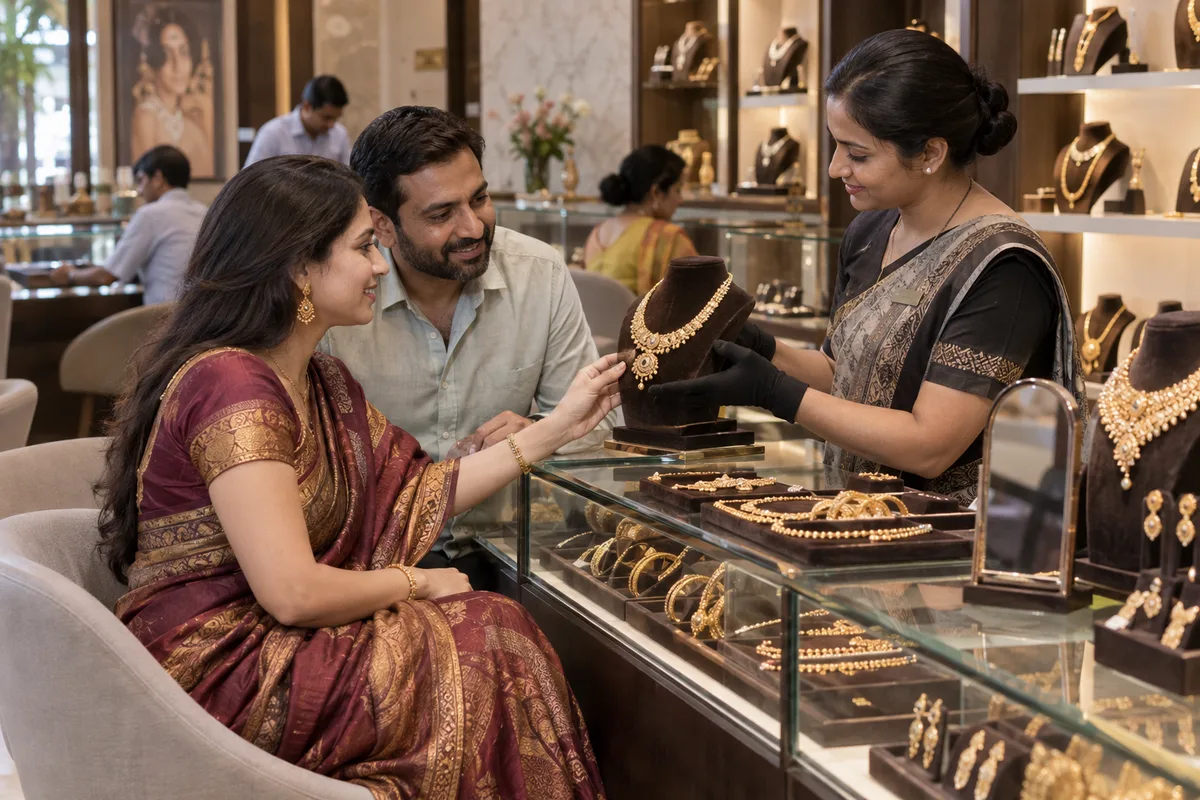
What search engine optimisation means
Search engine optimisation (SEO) is the work of getting your website to appear when a buyer searches Google for what you sell. GullySales builds pages around real search terms, fixes technical issues that block ranking, and tracks which searches actually bring enquiries.
Last updated 14 Nov 2026.
For watch stores
Where it usually goes wrong, and what we would do.
“Buyers search by model name, not by shop”
A person types the brand, the collection and sometimes the dial colour. A shop with a page for that model competes; a shop with only a homepage and a phone number does not.
“Marketplaces own the generic results”
Searches for a popular watch return large retailers first. A local dealer wins by being specific: authorised status, the service desk, the strap fitted on the day and the invoice that supports the warranty.
“Thin pages repeat the brand's own copy”
Pasting the manufacturer description gives a search engine nothing new. What the shop adds is stock, sizes, strap choices, in-store trial and what the service desk does.
“Service searches are separate and valuable”
A person searching for a watch battery change, a strap replacement or a servicing centre is ready to visit today. A shop that has a page for each of these gets those visits.
What we do
What we deliver for watch stores.
The work available for this need. We agree the deliverables and responsibilities for your engagement in writing.
Brand and model page structure
A consistent layout for every brand page, with the models in stock, the warranty terms, the service route and a visible way to ask.
Result: Every brand has a page a buyer can land on.
Search-word map by brand and model
A sheet of the names buyers use for each model, including common spellings, matched to the page that should answer them.
Result: Each model name points to one page, with no overlap.
Service pages
Separate pages for battery replacement, strap change, servicing and repair, each stating what the shop handles and what goes to the brand.
Result: Service searches land on a page that matches the need.
Original product information
Photographs taken in the shop, available straps and sizes, and a plain note on what is in stock, written beyond the manufacturer text.
Result: Pages contain information the manufacturer page does not.
Internal links between brands, gifts and service
Links from a brand page to its service page and the gift guide, so a visitor moves from one need to the next.
Result: A visitor can follow a path from the model to the warranty.
How the result is measured
- Ranking positions
- Organic traffic
- Enquiries from organic search
Recorded as a baseline before work starts, so every later report has an honest comparison.
Searches your buyers type
Searches by brand and model, and the page that answers each.
- [brand] watches showroom in [city]
- A brand page naming your authorised status, the models you carry and the address. Prove the authorisation with a visible dealer note.
- [model name] price and availability
- A model page stating whether it is in stock and how to reserve one. Avoid copying the brand's own description.
- watch for gift for husband under budget
- A gift guide page grouping pieces by budget, with the reasoning behind each. Reaches a buyer without a model in mind.
- watch service centre near me
- A service page naming brands accepted, drop-off and collection, and who to ask. A separate search, with its own buyer.
- how to choose between automatic and quartz
- A short explainer for a first-salary buyer. Written from questions your counter hears.
Who it is for
This is written for these watch stores.
- Multi-brand watch retailers
- Authorised dealers for one or two brands
- Premium and luxury watch showrooms
- Pre-owned and vintage watch dealers
- Smartwatch and wearable retailers
- Watch repair and service workshops that also sell
- Airport and mall kiosks
- Gift-focused stores with watches as the main line
Before you decide
When this may not be the right fit.
- Your catalogue is only a handful of pieces that change, so pages would show stock that has already sold.
- You are not authorised for the brands you want to show, and pages naming them would invite a complaint.
Before you decide
Agree the work. Know how to judge it.
SEO for watch stores: use these checks to prepare, choose the scope, and review what changes.
Bring the right evidence
Bring the pages for the products or services you want to sell, the search queries available in your reports, and examples of enquiries from search. Separate branded searches from buyers discovering you for the first time.
Make the scope clear
Agree which pages and technical fixes come first, who can publish changes, and who supplies subject knowledge. Link search work to a relevant enquiry route on each priority page.
Check the work in use
Follow the trail from a relevant query to its landing page and then to an enquiry. Review whether those enquiries fit your offer, alongside indexing and search visibility.
Know when to change course
A ranking movement alone is not a buying signal. If traffic grows but relevant enquiries do not, revisit page intent and the offer before producing more pages.
These are discussion points, not a fixed package. GullySales confirms the deliverables, responsibilities, fee, and term in writing after reading your brief and speaking with you.
Before we start
What to have ready before the work starts.
The records, access and decisions this work needs from watch stores. Anything missing is noted in the written scope, with who will supply it.
- The stock register by brand and model
- A current list of what you hold and what you can order, in a sheet or an export. It tells us which pages can be honest. If the register is out of date, we build pages for the brands you confirm aloud and leave the rest.
- Dealer letters or brand authorisation papers
- Copies of the papers that show which brands you are authorised for. The pages state dealer status only as the papers allow. Without them, we describe what you stock and do not use the word authorised.
- Access to the site and the search tool
- An editor login for the website and owner access to the search console. A login held by an old developer is acceptable only if you can reset it. Without access, we hand you the text and you publish it, and our checks are lost.
- Photographs of models on the wrist
- Clear pictures of the watches you stock, taken in the shop, showing the dial, the strap and the wrist fit. Phone pictures with good light are acceptable. Where none exist, pages carry the brand's images only if the brand allows them, and ours follow after a shoot.
- A note of what the service desk repairs
- A list of the services you offer, such as battery change, strap fitting, cleaning or sending to the brand's centre, in plain words. Service pages depend on it. If it is missing, those pages wait until you describe the work.
How it works
How the search engine optimisation work runs
The work itself, in order. How an engagement starts, from your brief to a written scope, is set out on our method page.
- 1
Pull the brand and model list from stock
We start with your stock register and the brand agreements you hold, and list every brand and the models that sell, including the ones that rarely leave the shelf. You mark the brands you want to be found for and the ones you carry only on order. The page structure follows this list, so a model you cannot supply never gets a page.
- 2
Check the words buyers type against your range
We look at how buyers search for your brands: model names, reference numbers, gift phrases and service terms. We compare these with what the marketplaces and the brand's own site show. You tell us which words your counter hears at the counter. The search-word map is built by brand and model, and not by a general list.
- 3
Agree who owns each page and each fact
We write down who confirms the model details, who supplies photographs and who approves any claim about dealer status. Your brand representative or the manager checks anything taken from the brand's materials. You decide which pages need your sign-off. No page is written until someone has agreed to own its facts.
- 4
Write original information for each model page
For each page we add what the brand's own copy does not give: how the watch looks on a wrist, who it suits, how the strap or bracelet feels, what the shop's service desk offers after the sale. We use your photographs and your staff's words. You read every page for accuracy before it is released.
- 5
Publish pages and link brands, gifts and service
We release the pages in the agreed order and link each brand page to its models, its gift suggestions and the service page for that brand. We check that the pages load on a phone and that the enquiry form works. You see each page on a private link first, and nothing is published without your word.
- 6
Read searches and enquiries against the baseline
Before changes, we noted which brand and model words brought visitors and enquiries. Now we read the same figures by page and compare them with the counter's account of who came in asking for a model. You decide which pages to improve and which to merge. The reading shows what search is doing for the shop; it does not forecast.
Where this fits
Three pieces of sales work, in this order.
This work sits inside sales process design, at stage 1, prospecting and lead generation. The audit comes before it, and sales management keeps it running.
Step 1
Sales audit
Find where deals are being lost and what to fix first.
Start here if you cannot say where orders are lost.
Step 2 · you are here
Sales process design
One written way to sell, from first enquiry to repeat order.
Start here if every salesperson sells differently.
Step 3
Sales management
A target, a review routine and someone who owns the number.
Start here if the team has targets and no routine.
FAQ
Questions owners ask before they call.
Not here? More answers, or ask on WhatsApp.
Can a local shop compete with marketplaces in search?
Do we need to list prices on the page?
How do we know whether the SEO is working?
Can a shop show a brand's name on its pages if it is not authorised?
Should each model have its own page?
Can we reuse the brand's product descriptions?
How long is the contract?
How soon will we see results?
Who will actually do the work?
What do you need from us?
More for watch stores
Related work to consider.
Closest to this: search and visibility
Also for watch stores
Or start from the overview: sales and marketing for watch stores.
Your next practical step
Tell us what you are trying to grow, and we will read it before we call.
Eight short steps, mostly taps. Skip anything you would rather answer on the call.