Watch stores · Buyer persona
Know who is at the counter and what they are really buying.
A buyer persona for a watch store describes the types of people who walk in or message: what they are buying, who it is for, what worries them and how they decide. GullySales builds the personas from your counter conversations and sales records, not from guesses.
Scope, fee, reporting and term are agreed in writing after we have read your brief and spoken to you.
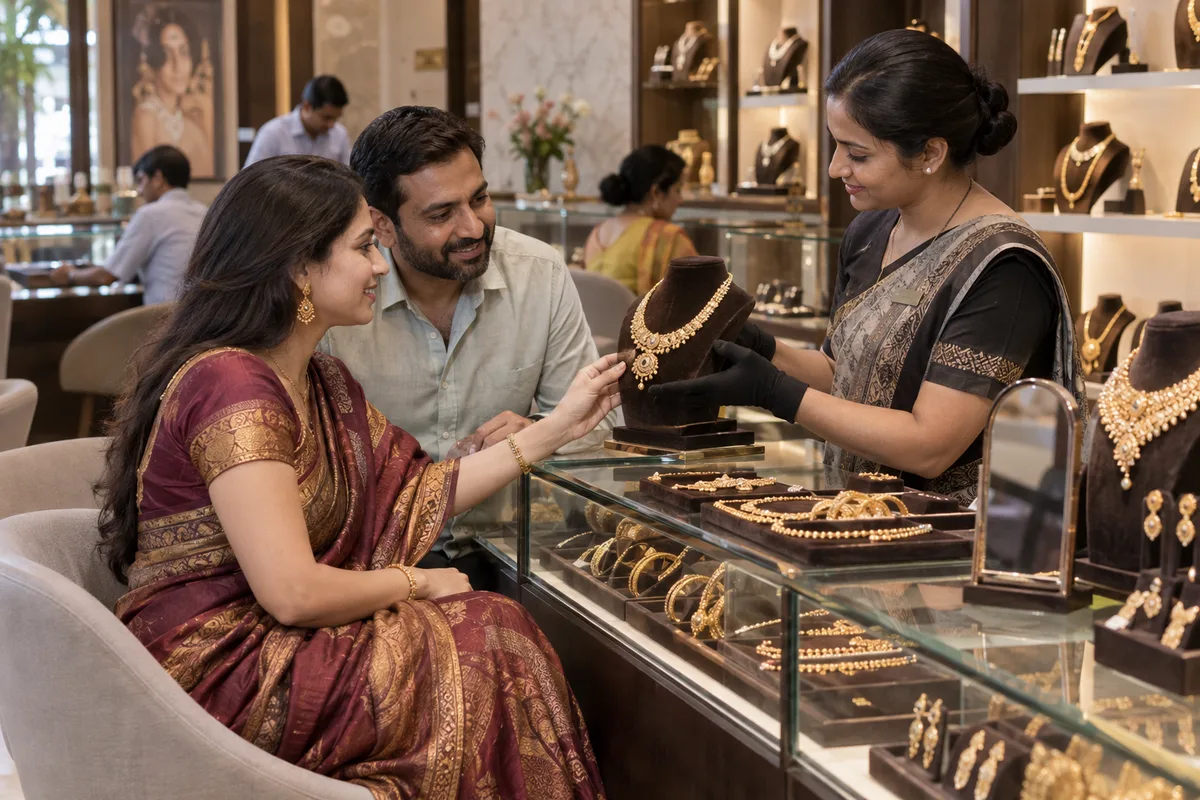
What buyer persona means
A buyer persona is a plain description of the kind of customer who actually buys from you. It includes what they search, what worries them and who else they ask before deciding. GullySales builds this from real enquiries and past sales rather than a generic template, then uses it to write every page and advert.
Last updated 14 Nov 2026.
For watch stores
Where it usually goes wrong, and what we would do.
“The gift buyer is buying for someone else”
A person choosing a watch for a parent or partner worries about taste, size and whether it can be exchanged. Their question is less about the movement and more about getting it wrong.
“The first-salary buyer wants a name that signals arrival”
A young professional on a firm budget looks for a recognised brand. They want reassurance on warranty and a fair payment option, and they compare online before visiting.
“The collector asks about history and condition”
A buyer of pre-owned or limited pieces wants documents, service records and a dealer who knows the references. Speed is less important than confidence.
“The service customer is a future buyer”
A person bringing in an old watch for repair has a story attached to it. Treated well, that person returns when it is time to buy.
What we do
What we deliver for watch stores.
The work available for this need. We agree the deliverables and responsibilities for your engagement in writing.
Persona sheet for each main buyer
One page per buyer type, with the occasion, the budget, what they ask and what makes them hesitate, written in the buyer's own words.
Result: The counter can recognise a buyer type in a minute.
Questions heard at the counter
A list of the real questions asked in the shop over a set period, grouped by buyer type.
Result: Pages and replies answer the questions buyers actually ask.
Brand and price band by persona
Which brands and price ranges each buyer type looks at, drawn from your own sales records.
Result: Stock and promotion match the buyers who come.
Decision path for each persona
The steps from first search to purchase, including who else is consulted and where the buyer compares.
Result: You can see where each buyer type may be lost.
Message guide by persona
Short wording for pages, posts and WhatsApp replies written for each type.
Result: The same shop speaks differently to a collector and a gift buyer.
How the result is measured
- Enquiry match to persona
- Conversion rate by persona
- Content aligned to persona
Recorded as a baseline before work starts, so every later report has an honest comparison.
Who is asking
Who is at the counter, and what each wants to know first.
- Gift buyer for a spouse or parent
- Wants help choosing and a box that looks right. Asks about return and exchange if the wearer dislikes it.
- First-salary buyer
- Wants a name that signals arrival within a set budget. Asks about warranty and EMI.
- Collector or enthusiast
- Wants movement, history and condition, and a seller who knows them. Asks for papers and servicing records.
- Service customer
- Wants an honest estimate for the repair. Becomes a buyer if treated fairly and told what the watch needs.
- Company buyer for gifting
- Wants a quantity, a date and an invoice. Asks if branded packaging or engraving is possible.
Who it is for
This is written for these watch stores.
- Multi-brand watch retailers
- Authorised dealers for one or two brands
- Premium and luxury watch showrooms
- Pre-owned and vintage watch dealers
- Smartwatch and wearable retailers
- Watch repair and service workshops that also sell
- Airport and mall kiosks
- Gift-focused stores with watches as the main line
Before you decide
When this may not be the right fit.
- You have not asked the counter staff what buyers say, so a persona would be your guess about strangers.
- Your store serves only one kind of buyer, such as service customers, and the other personas would be made up.
Before you decide
Agree the work. Know how to judge it.
Buyer personas for watch stores: use these checks to prepare, choose the scope, and review what changes.
Bring the right evidence
Write the decision the research must support, such as entering a market or choosing a buyer group. Separate what you know from sales records from what the team currently assumes.
Make the scope clear
Agree which buyers to speak to, which sources to review, and what access you can provide. Include lost enquiries and people who chose another supplier, where they are willing to take part.
Check the work in use
Look for source dates, sample limitations, and evidence that disagrees with the preferred answer. A recommendation should show how it follows from the findings.
Know when to change course
Do not treat a few positive conversations as proof of demand. Test the proposed offer with an actual buying decision before committing to a wider launch.
These are discussion points, not a fixed package. GullySales confirms the deliverables, responsibilities, fee, and term in writing after reading your brief and speaking with you.
Before we start
What to have ready before the work starts.
The records, access and decisions this work needs from watch stores. Anything missing is noted in the written scope, with who will supply it.
- Invoices with brand and occasion noted
- A set of recent sales showing the brand, the model and, where you wrote it, the occasion. It shows who buys what. Without the occasion, the gift profile rests on interviews and the staff's memory. Where the occasion was not written, mark the invoices you remember best and we start with those.
- Service tickets for the last season
- The repair and service slips, with the brand and the nature of the job. They show who comes back. If tickets were not kept, the service profile starts from the desk's account. Include any tickets for a watch bought elsewhere, since those service customers are future buyers and form a persona of their own.
- Names of customers we may call
- Six to ten buyers across the types, with the occasion of purchase and your permission to call. Include one who did not buy. A shorter list is accepted but the profiles are marked as drawn from few conversations. Tell us beforehand what you promised each buyer about being contacted, so the call stays within it.
- The counter's list of common questions
- What buyers ask, in their words. A page of notes is enough. If none exists, we sit at the counter for a morning and listen, with your consent. Add what the staff say to a buyer who has come in with a photograph from a phone and wants exactly that model.
- Time with the senior salesperson
- The person with the longest experience knows how each buyer decides. We need a long conversation. If unavailable, the profiles are weaker and we say so. If the salesperson works only some days, we plan the conversation for one of those days.
How it works
How the buyer persona work runs
The work itself, in order. How an engagement starts, from your brief to a written scope, is set out on our method page.
- 1
Choose which buyers to describe first
We list the people who walk in or message: the gift buyer, the first-salary buyer, the collector, the service customer, the corporate gifting buyer. You choose the few whose purchases count for the shop. A profile of every possible shopper would be too thin to use, so we begin with the ones who bring revenue and repeat visits.
- 2
Pick the sales records and customers to study
We go through your invoices, service tickets and enquiry notes, and select a handful of recent buyers for each profile, including one who left without buying. Your counter gives us a contact and a time. You tell us who should not be approached, such as a customer with a complaint. We aim for buyers who differ in age, occasion and brand, so one profile is not drawn from a single kind of purchase.
- 3
Check what buyers said against the counter's account
We speak with the buyers you chose and with your salespeople, and compare what we hear with the invoices and notes. Where a claim has no support in the record, it is marked as unproved. You read the findings and tell us what surprises you. The profiles use only what is confirmed. A statement such as buyers compare online first is checked against what the counter actually sees before it goes into a profile.
- 4
Review each profile with the staff on the floor
We read each persona to your salespeople and the service desk and ask if they recognise the buyer. You decide what to change. Each profile states the occasion, the worries, the questions asked, who else decides and the brand and price band that buyer looks at. Each profile also records who else is present when the buyer decides, such as a parent, a partner or an office colleague.
- 5
Test the opening questions on a live visit
We take the opening questions written for each persona and try them on two or three real visitors and callers, standing near the counter with your salesperson. We note which question made the buyer talk and which was brushed aside. You decide what stays in the counter script. A persona that fails in a live conversation is rewritten before it reaches the wider staff. The ones for the service customer and the collector are tried on the service desk and the senior salesperson respectively.
- 6
Put the profiles to work in messages
We rewrite the counter's opening questions, the follow-up wording and the gift suggestions for each persona, and mark which pages and posts speak to which. You decide where each is used. The personas are kept with your CRM notes so a new salesperson can read them.
Where this fits
Three pieces of sales work, in this order.
This work sits inside sales process design, at stage 0, foundation. The audit comes before it, and sales management keeps it running.
Step 1
Sales audit
Find where deals are being lost and what to fix first.
Start here if you cannot say where orders are lost.
Step 2 · you are here
Sales process design
One written way to sell, from first enquiry to repeat order.
Start here if every salesperson sells differently.
Step 3
Sales management
A target, a review routine and someone who owns the number.
Start here if the team has targets and no routine.
FAQ
Questions owners ask before they call.
Not here? More answers, or ask on WhatsApp.
How many personas does a watch store need?
Where does the information come from?
Does a persona change the shop itself?
What does a watch store gain from knowing the gift buyer?
Can one persona cover a gift buyer and a collector?
What if staff disagree about who our typical buyer is?
How much does it cost?
How long is the contract?
How soon will we see results?
Who will actually do the work?
More for watch stores
Related work to consider.
Closest to this: strategy and research
Also for watch stores
Or start from the overview: sales and marketing for watch stores.
Your next practical step
Tell us what you are trying to grow, and we will read it before we call.
Eight short steps, mostly taps. Skip anything you would rather answer on the call.