Water heater and geyser dealers · Lead generation
A geyser enquiry is worth a visit when it arrives with a bathroom, a water type and a family size.
Lead generation for a geyser dealer is the work of getting households, contractors and institutions to name a capacity need, a water source and a location before they ring around. GullySales works on the sources that bring those details and on a way to record which source each enquiry came from.
Scope, fee, reporting and term are agreed in writing after we have read your brief and spoken to you.
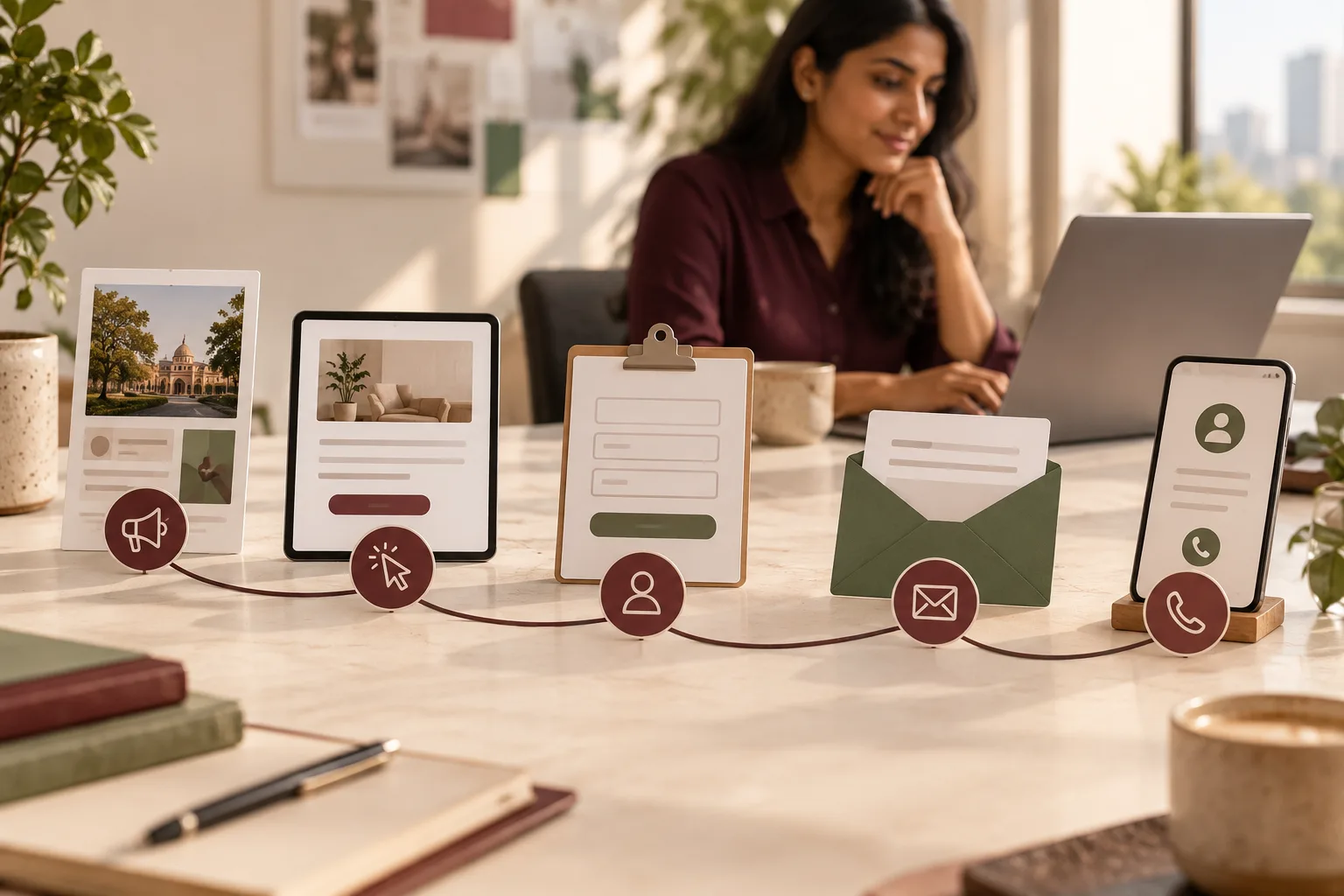
What lead generation means
Lead generation is the combined work of every channel that brings in a new enquiry, whether from search, adverts, referrals or a stall at an exhibition. GullySales runs these channels together and reports the number of enquiries each one produced, not the activity behind it.
Also for water heater and geyser dealers
- CRM for water heater and geyser dealers
- Follow-up systems for water heater and geyser dealers
- SEO for water heater and geyser dealers
- Local SEO for water heater and geyser dealers
- Social media marketing for water heater and geyser dealers
- Content marketing for water heater and geyser dealers
- Buyer personas for water heater and geyser dealers
- WhatsApp marketing for water heater and geyser dealers
Sales and marketing for water heater and geyser dealers, the overview.
Plan the next part of the work
Last updated 21 Nov 2026.
For water heater and geyser dealers
Where it usually goes wrong, and what we would do.
“A call asking the price of a brand is a shopper, not yet a lead”
The caller names a make and a litre figure and hangs up on hearing the number. Until the call carries the number of people, the bathroom and the water type, the shop is quoting blind.
“Home buyers and project buyers need separate doors”
A family with a dead tank wants a unit fitted today. A site engineer wants a rate for forty bathrooms. One enquiry form for both loses the engineer first.
“Plumbers send the best leads and are asked for nothing”
A plumber names the shop to every client who asks. Stores wait for the plumber to ring. A price card left at the plumber's stand makes you the name said aloud.
“Referrals vanish when nobody notes them”
A neighbour's recommendation arrives as a call and a visit, and the source is never written down. The shop cannot tell which earlier buyer deserves a thank-you.
What we do
What we deliver for water heater and geyser dealers.
The work available for this need. We agree the deliverables and responsibilities for your engagement in writing.
An enquiry form built around the bathroom
Questions for people in the house, bathroom count, water source, current unit age and location, used on the website, Maps and WhatsApp.
Result: A geyser quote can be priced from the enquiry alone.
Separate routes for home, project and institution
One entry point each for homes, projects and institutions, with its own message and replier.
Result: You can count enquiries by buyer type.
A plumber starter pack
A pocket price card, a fitting promise and a quick-call number, plus a list of plumbers near your shop to visit.
Result: A named plumber list and a pack ready to hand over.
Source tag on every enquiry
A single field recording where the buyer heard of you, including the earlier customer who referred them.
Result: A count of enquiries by source.
How the result is measured
- Relevant enquiries by source
- Duplicate and unsuitable enquiries
- Time to the first response
- Accepted enquiries reaching an agreed next step
Recorded as a baseline before work starts, so every later report has an honest comparison.
Where enquiries come from
The ways a geyser enquiry reaches a dealer, and what to record on each.
- Phone call with a brand and a litre figure
- Record the caller's locality, family size and water source before naming a price, and note whether the unit is a replacement or for a new bathroom.
- WhatsApp photo of a failed geyser
- Note the age, the make and the leak or fault in the photo. Reply with a fitting visit slot and the replacement options that fit the same point.
- Plumber or contractor referral
- Record the plumber's name and the client's locality. Send the plumber a short confirmation so the next client is passed to you.
- IndiaMART or JustDial request
- Log the buyer type, quantity and delivery location. Reply with a quote sheet, and note which listing the request came from.
- Walk-in at the counter
- Write the number of bathrooms and the locality into the register even when the buyer leaves without buying, so a follow-up call has context.
- Builder or site engineer enquiry
- Record the project name, number of units, delivery stage and who signs. Send the quote sheet within the buyer's own purchase timeline.
Who it is for
This is written for these water heater and geyser dealers.
- Storage geyser retailers for homes and flats
- Instant water heater and compact geyser sellers
- Gas geyser dealers in cities with piped or cylinder LPG
- Solar water heater dealers and installers
- Heat pump and commercial water heating suppliers for hostels and hotels
- Multi-brand electrical and bath fittings shops with a geyser counter
- Builder and bulk-supply dealers
- Authorised service and spare-part dealers
Before you decide
When this may not be the right fit.
- You have no fitter you trust, so more enquiries would only produce promised visits you cannot keep.
- Your stock list and prices change every few days, so a form that asks for a unit would be out of date when the buyer reads it.
Before you decide
Agree the work. Know how to judge it.
Lead generation for water heater and geyser dealers: use these checks to prepare, choose the scope, and review what changes.
Bring the right evidence
Define the organisations or buyers you can serve and the reasons they would consider a conversation. Bring examples of accepted and rejected prospects so the selection rule is visible.
Make the scope clear
Agree the research sources, contact approach, qualification rules, and handover. Clarify which meetings count as accepted and what happens to replies that are not ready to buy.
Check the work in use
Review why a prospect was selected and what was learned from the response. Count held, relevant conversations separately from contacts found, messages sent, or meetings booked.
Know when to change course
If the same objection appears repeatedly, adjust the offer or buyer group before increasing outreach. Respect a request to stop contact and keep the exclusion in the record.
These are discussion points, not a fixed package. GullySales confirms the deliverables, responsibilities, fee, and term in writing after reading your brief and speaking with you.
Before we start
What to have ready before the work starts.
The records, access and decisions this work needs from water heater and geyser dealers. Anything missing is noted in the written scope, with who will supply it.
- Last season's bill book from the counter
- We read the sales to see which buyers came through which door. Photographs of pages are enough, with phone numbers hidden if you wish. If the book is incomplete, we plan from what the counter remembers, and the form questions will be less exact until real enquiries accumulate.
- A list of plumbers who send you work
- Names and shops of the plumbers and electricians who have recommended you, and the units they ask for. We use them for the starter pack and the referral tag. Without the list, plumbers stay a silent source and the referral route is not built.
- The names of staff who answer enquiries
- One person for household calls, one for project quotations, each with a stand-in. A route with no named replier leaks, because a bathroom description sits unread while the buyer rings the next shop. Tell us who is on the counter during the busy hours.
- A decision on what plumbers receive
- Only the owner can say whether a plumber gets a thank-you, a rate advantage or nothing. Tell us in plain terms, because the pack states it. We do not invent rewards, and a vague promise to a plumber damages the relationship it was meant to build.
- Access to directory and form accounts
- Logins or manager access to each place where enquiries arrive, including any directory listing and the website form. Read access is acceptable at first. Where a former vendor holds an account, the source tag for that route stays incomplete until you recover it.
How it works
How the lead generation work runs
The work itself, in order. How an engagement starts, from your brief to a written scope, is set out on our method page.
- 1
Sort last season's bill book by buyer type
We start with the bill book and mark each sale as a household, a builder or interior designer, a plumber's purchase or an institution such as a hostel. You tell us which sales began as a phone call asking for a brand and which began with a bathroom described in detail. That split shows what a good enquiry looked like when it ended in a sale.
- 2
Write the bathroom questions for the form
With your counter staff we list what they ask before they can suggest a unit: family size, storage or instant, the water source, the mounting wall and the electrical point. Those become the form and the phone script. You choose which answers are compulsory. After this step a stranger can describe the bathroom, and your counter can recommend a capacity without a second call.
- 3
Give the plumbers a starter pack
We sit with the two or three plumbers who bring you work and ask what makes them recommend a dealer: stock on the shelf, a fitter who turns up, a callback when the unit leaks. We write a one-page pack for them with the questions to ask a client and the way to reach your counter. You decide what recognition you will offer, in plain words and nothing hidden.
- 4
Open a separate door for builders and hostels
Project buyers want a rate for a quantity and a delivery that matches the tiling work, so we draft a short form and a call route for them, apart from the household enquiry. Your owner names who handles bulk quotations. This keeps a builder from waiting in the same queue as a person who wants a single geyser for a rented flat.
- 5
Send test enquiries from each door
We send a household enquiry, a plumber's referral and a builder's request through the routes, and watch how each is logged, who replies and whether the source tag stays attached. You see the log with us. Any enquiry that is retyped or lost on the way is mended before the routes are shown to anyone outside.
- 6
Read the source tags against the old counts
After the routes have run, we compare the enquiries by source with the number of calls, visits and sales you counted before we began. You tell us which enquiries were price shoppers and which named a bathroom. We keep feeding the sources that brought bathrooms. No number of enquiries is promised, only a clear record of where each one came from.
Where this fits
Three pieces of sales work, in this order.
This work sits inside sales process design, at stage 1, prospecting and lead generation. The audit comes before it, and sales management keeps it running.
Step 1
Sales audit
Find where deals are being lost and what to fix first.
Start here if you cannot say where orders are lost.
Step 2 · you are here
Sales process design
One written way to sell, from first enquiry to repeat order.
Start here if every salesperson sells differently.
Step 3
Sales management
A target, a review routine and someone who owns the number.
Start here if the team has targets and no routine.
FAQ
Questions owners ask before they call.
Not here? More answers, or ask on WhatsApp.
Should plumbers get a commission?
How do we handle enquiries that come only for the price?
Is paying for leads from a directory worth it?
How do we tell a bulk enquiry from a household one?
Do we answer a caller who only asks the price of a brand?
How do we separate a bulk request from a household one?
How long is the contract?
How soon will we see results?
Who will actually do the work?
What do you need from us?
More for water heater and geyser dealers
Related work to consider.
Closest to this: leads and follow-up
Also for water heater and geyser dealers
Or start from the overview: sales and marketing for water heater and geyser dealers.
Your next practical step
Tell us what you are trying to grow, and we will read it before we call.
Eight short steps, mostly taps. Skip anything you would rather answer on the call.