Game development studios · Digital marketing
Spend on the channels that reach publishers, brands and players separately.
Digital marketing for a game studio covers search, social, email, store pages and communities, each aimed at a different buyer. GullySales works on the plan, the pages and the records that tie activity to meetings and signings.
Scope, fee, reporting and term are agreed in writing after we have read your brief and spoken to you.
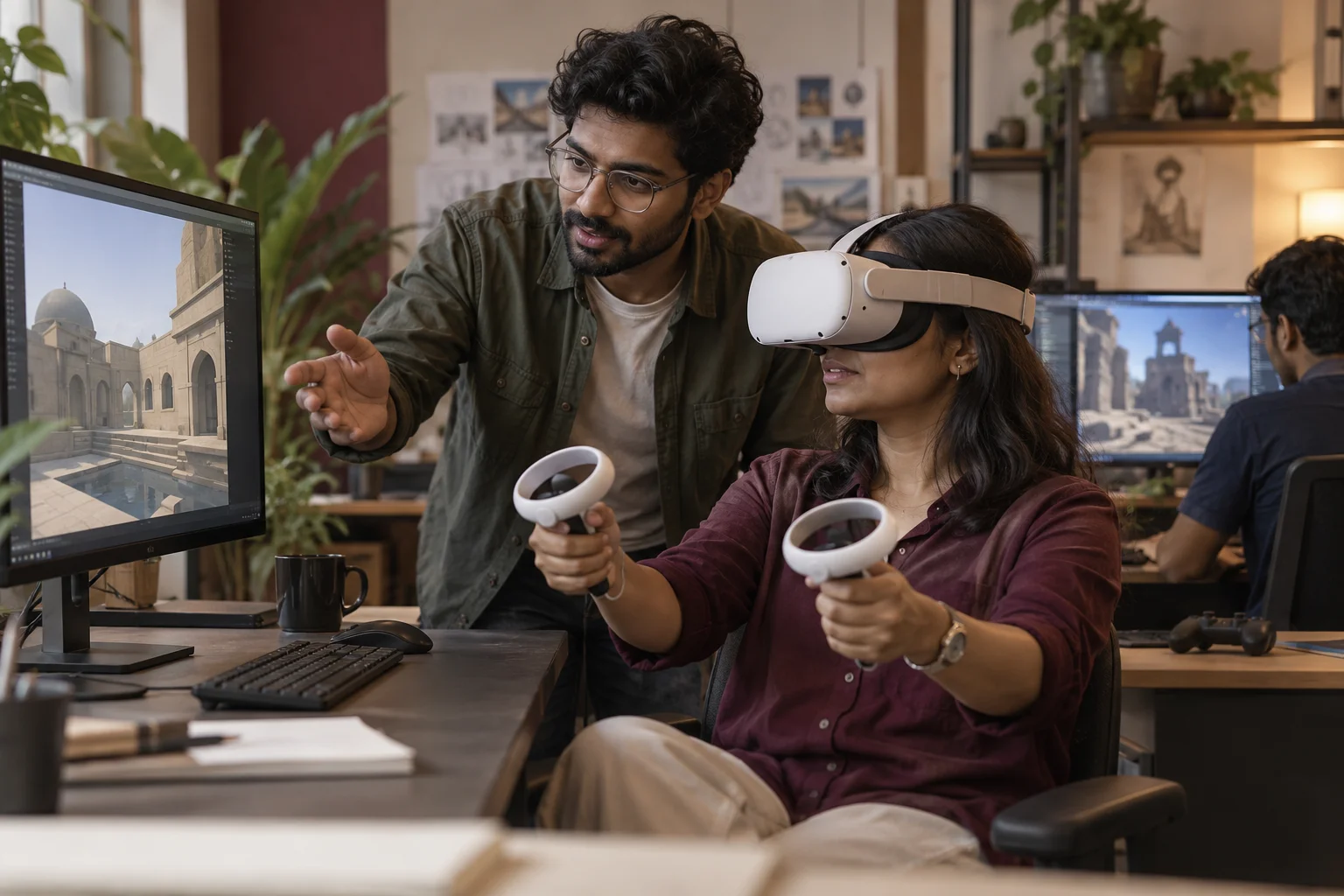
What digital marketing means
Digital marketing is the combined work of search, social media, advertising and website channels running together rather than as separate projects with separate people. GullySales runs these as one connected system so a change in one channel, such as a new offer, is reflected everywhere at once.
Also for game development studios
- Buyer personas for game development studios
- Lead generation for game development studios
- SEO for game development studios
- Social media marketing for game development studios
- Content marketing for game development studios
- CRM for game development studios
- Follow-up systems for game development studios
- WhatsApp marketing for game development studios
Sales and marketing for game development studios, the overview.
Last updated 22 Oct 2026.
For game development studios
Where it usually goes wrong, and what we would do.
“Three audiences need three plans”
Publishers, brand clients and players are reached in different places. A single campaign across all of them reaches none well.
“Store pages are part of digital marketing”
For players, the store listing is the main page. Its title, images and description are the studio's best-seen marketing asset for the title.
“Paid promotion must wait for the build”
Advertising a game that crashes on mid-range phones wastes money. A stable build and a clear store page come first.
“Measurement should reach a meeting or a download you can verify”
Counts of clicks are easy. The numbers that matter are builds played by publishers and briefs from brands, and you can count those yourself.
What we do
What we deliver for game development studios.
Every deliverable, what it covers for you, and the result it is there to produce. Nothing here is an extra.
A three-audience plan
A page that sets out channels, offers and tests for publishers, clients and players.
Result: A plan with a section for each audience.
A store page audit
A review of titles, descriptions, screenshots and update notes for each title.
Result: A list of changes for each store page.
Narrow search for client work
Search campaigns for terms like branded game development with a page showing examples.
Result: A campaign linked to a branded-game page.
A community plan
A plan for Discord, Reddit or other groups, with rules on how the studio takes part.
Result: A plan that names each community and the role of the studio.
A meeting-and-build tracker
A sheet that links each activity to builds played, meetings held and briefs received.
Result: You can see which activity led to a meeting.
How the result is measured
- Enquiries across channels
- Cost per enquiry overall
- Channel mix by contribution
Recorded as a baseline before work starts, so every later report has an honest comparison.
Searches your buyers type
The searches and actions that reach each of a studio's three buyers.
- game studio for branded campaign
- A narrow search ad or page aimed at brand managers, landing on a scope template and one advergame example with its platform.
- publishers accepting game pitches
- A page or post that tells a scout where to find the playable build, the team and the ask, with the pitch route clearly marked.
- your game's own name
- The title page and store listing a player reaches after a trailer or a friend's mention. Check that both show the same screenshots and version.
- Unity developer for hire
- A work-for-hire landing page naming the engine, the platforms shipped to and the handover items a client receives.
- game jam or showcase listing
- An entry on an event page with a build link. Scouts read showcase pages, so keep the link live after the event ends.
Who it is for
This is written for these game development studios.
- Mobile game publishers looking for casual and hyper-casual titles
- Console and PC publishers scouting indie prototypes
- Brands and agencies commissioning branded or advergames
- Edtech and training companies wanting game-based learning
- Larger studios outsourcing art, porting or co-development
- Media and film companies wanting a tie-in game
- Founders building their own title and seeking funding
- AR and VR clients commissioning experiences for events and showrooms
Not for
It is not the right fit if.
- The build is not stable enough to open on a phone, and paid traffic would send people to a game that crashes.
- You cannot yet tell which of the three buyers pays the studio's bills, so a split plan would divide effort without direction.
- There is no way to record where an enquiry came from, and spend you cannot trace to a meeting or download is spend you cannot judge.
How it works
How the digital marketing work runs
The work itself, in order. How an engagement starts, from your brief to a written scope, is set out on our method page.
- 1
Agree the one aim
We settle what the campaign must achieve, such as enquiries for a launch or footfall for an event, and the date it must be live.
- 2
Check what is ready
We list the channels you already run, who runs them, and what each can produce in the time available. Anything that cannot be done properly is left out.
- 3
Write the idea and the message sheet
We draft the one-sentence idea, test it against each planned format, and fix the wording that all channels will copy.
- 4
Brief every channel from the same sheet
Your agency, freelancer or in-house person receives the message sheet and calendar. Their work is checked against the sheet before it goes out.
- 5
Run on the shared calendar
Channels go live together. If the offer changes, every channel is changed on the same day from the same sheet.
- 6
Measure as one campaign
Enquiries and orders are read against the baseline. The reporting schedule is agreed in writing with the scope.
Where this fits
Three pieces of sales work, in this order.
This work sits inside sales process design, at stage 0, foundation. The audit comes before it, and sales management keeps it running.
Step 1
Sales audit
Find where deals are being lost and what to fix first.
Start here if you cannot say where orders are lost.
Step 2 · you are here
Sales process design
One written way to sell, from first enquiry to repeat order.
Start here if every salesperson sells differently.
Step 3
Sales management
A target, a review routine and someone who owns the number.
Start here if the team has targets and no routine.
FAQ
Questions owners ask before they call.
Not here? More answers, or ask on WhatsApp.
Should we run ads for our game?
Do publishers care about our marketing?
What about influencer promotion?
Which of the three audiences should a studio start with?
Can we run paid ads for client work in other countries?
How much does it cost?
How long is the contract?
How soon will we see results?
Who will actually do the work?
What do you need from us?
More for game development studios
Everything else we would do for you.
Closest to this: strategy and research
Also for game development studios
Or start from the overview: sales and marketing for game development studios.
Your next practical step
Tell us what you are trying to grow, and we will read it before we call.
Eight short steps, mostly taps. Skip anything you would rather answer on the call.