Naturopathy centres · Buyer persona
Write down who actually books a stay: the daughter, the son or the guest.
A buyer persona for a naturopathy centre is a short written profile of a person who books a stay, covering what they worry about, what they read and what makes them write. GullySales builds the profiles from your past bookings and enquiry messages rather than guesses, and shapes pages and replies around them.
Scope, fee, reporting and term are agreed in writing after we have read your brief and spoken to you.
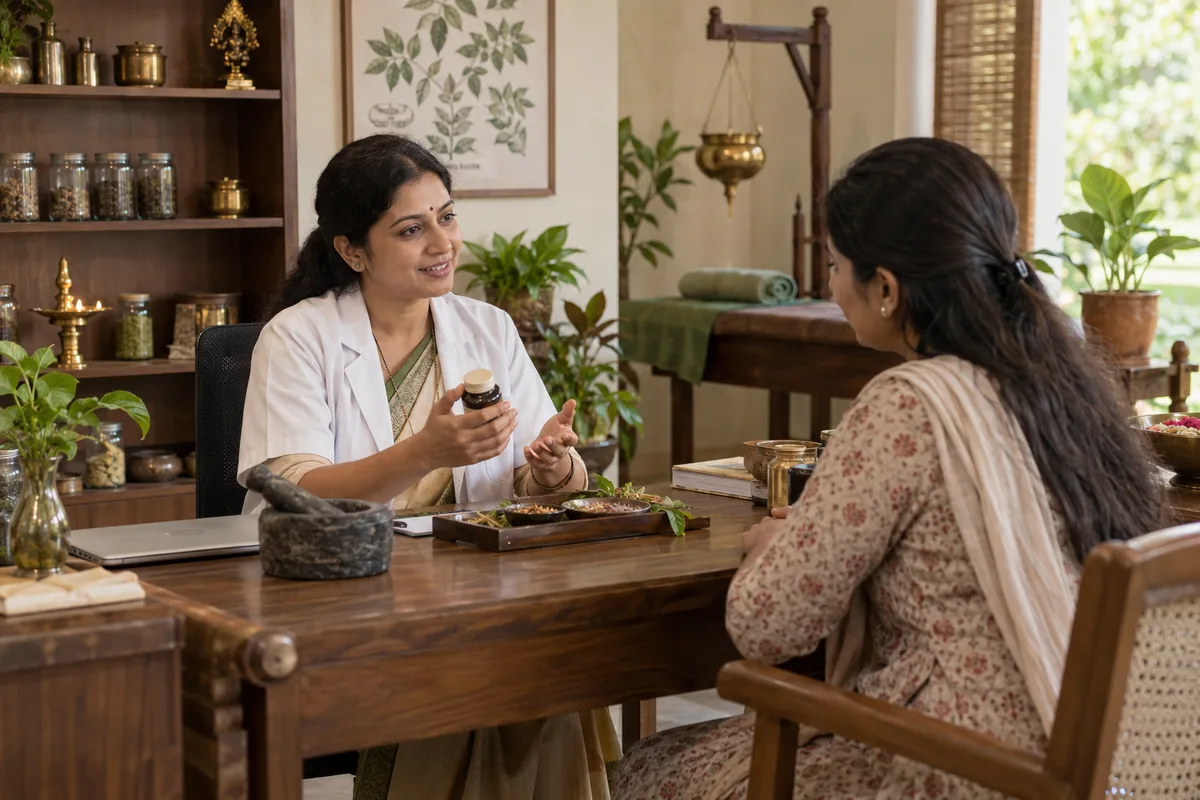
What buyer persona means
A buyer persona is a plain description of the kind of customer who actually buys from you. It includes what they search, what worries them and who else they ask before deciding. GullySales builds this from real enquiries and past sales rather than a generic template, then uses it to write every page and advert.
Last updated 14 Nov 2026.
For naturopathy centres
Where it usually goes wrong, and what we would do.
“Three people share one booking”
The guest decides little, the adult child searches and a doctor sometimes nudges. A page written for only one of them leaves the others out of the conversation. Each persona gets its own opening line, page and form.
“The worried child”
A working son or daughter in a metro carries guilt about a parent's health and has little spare time. They want safety, food and a named doctor on a page they can scan on a phone between meetings.
“The adult booking for self”
A professional told to lose weight or ease stress wants privacy and proof that this is not a holiday resort. Their questions concern the schedule and whether the doctor reads their own reports. They book alone and rarely forward the page to anyone.
“The reluctant guest”
A guest whose family pushed the idea dislikes anything that sounds like a sales pitch. A calm reply that explains the routine and invites questions works, and enthusiasm does not, because it sounds like the pressure the guest is already resisting.
What we do
What we deliver for naturopathy centres.
The work available for this need. We agree the deliverables and responsibilities for your engagement in writing.
A review of past bookings
Past bookings noted for who made the enquiry, who stayed, the city and the length of stay.
Result: A table showing who asked against who stayed.
Written persona sheets
One page per persona covering the situation, the worries, the words they use and the page they should land on.
Result: Sheets the front desk can keep beside the phone.
Reply wording for each persona
Opening lines and answers that differ for the daughter, the son and the adult booking for self.
Result: A reply set whose first line changes with the person asking.
A persona-to-page map
A one-page map from each persona to the stay page, guide and form that suits them.
Result: Look up a persona and find the link to send.
A note on new enquiries
A record, kept by your team, of which persona each new enquiry fits.
Result: The persona sheets get corrected from what actually arrives.
How the result is measured
- Enquiry match to persona
- Conversion rate by persona
- Content aligned to persona
Recorded as a baseline before work starts, so every later report has an honest comparison.
Who is asking
Three people share a stay booking and ask different things.
- Adult child booking for a parent
- Wants to know the rooms are safe for an elder, who supervises, and how the family can stay in touch during the stay.
- Adult booking for themselves
- Wants the doctor's qualification, the daily routine and the tariff, and will read the whole page before calling.
- Reluctant guest brought by family
- Wants to know what will be asked of them and whether they can leave. Reassurance on routine matters more than detail.
- Referring physician
- Wants a clear note on what the centre provides and how it communicates with the guest's own doctor.
- Returning guest
- Wants to know what has changed, which rooms are free and whether the same doctor is available.
Who it is for
This is written for these naturopathy centres.
- Residential nature cure hospitals and ashrams
- Day-care naturopathy and yoga clinics in cities
- Naturopathy centres attached to a trust or a charitable society
- Wellness resorts that include naturopathy programmes
- Weight and lifestyle disorder retreats
- Diet-led naturopathy practices
- Hydrotherapy and mud therapy centres
- Naturopathy colleges' teaching clinics that take outside patients
Before you decide
When this may not be the right fit.
- You have no booking records to read, so any persona would be a guess about people you have not spoken to.
- You plan to change how guests are treated by persona, which the centre should not do.
- You have not decided who speaks to the family and who speaks to the guest.
Before you decide
Agree the work. Know how to judge it.
Buyer personas for naturopathy centres: use these checks to prepare, choose the scope, and review what changes.
Bring the right evidence
Write the decision the research must support, such as entering a market or choosing a buyer group. Separate what you know from sales records from what the team currently assumes.
Make the scope clear
Agree which buyers to speak to, which sources to review, and what access you can provide. Include lost enquiries and people who chose another supplier, where they are willing to take part.
Check the work in use
Look for source dates, sample limitations, and evidence that disagrees with the preferred answer. A recommendation should show how it follows from the findings.
Know when to change course
Do not treat a few positive conversations as proof of demand. Test the proposed offer with an actual buying decision before committing to a wider launch.
These are discussion points, not a fixed package. GullySales confirms the deliverables, responsibilities, fee, and term in writing after reading your brief and speaking with you.
Before we start
What to have ready before the work starts.
The records, access and decisions this work needs from naturopathy centres. Anything missing is noted in the written scope, with who will supply it.
- The booking register for a full season
- Bring any record of stays, even a ledger, with the dates and who paid. Patterns come from it. If records are thin, we rely more on conversations and mark the sheets as provisional. If the ledger is kept by room and not by guest, tell us, and we will read it with the desk.
- Families willing to speak to us
- Ask three or four past guests or families whether they will talk for a short call. Their agreement matters. If none agree, the sheets rest on staff memory and are labelled so. Include at least one family that enquired and did not book, since their reasons tell us what the pages and replies failed to answer.
- Time with the front desk and the physician
- They hear the first call and the first consultation. Free an hour with each. Without it, the sheets are built on records alone and miss the worry in the first call. Ask each to bring two or three enquiries they remember well, one that went smoothly and one that did not, so the sheets show both the good and the weak points of the first call.
- Your view of who the centre serves
- Say which guests the centre wants to serve more: residential, day care, families booking for a parent. Only you can decide, and the sheets are weighted by your answer. Say also whether the centre can host a family member in the stay, because it changes how the worried adult child is spoken to.
- A rule for storing personal details
- Decide that the sheets carry no names, phone numbers or health details. Tell us where notes from conversations are kept and who may read them. Without a rule, we keep notes minimal and delete them after the sheets are written. A short written line from you on this is enough for us to follow.
How it works
How the buyer persona work runs
The work itself, in order. How an engagement starts, from your brief to a written scope, is set out on our method page.
- 1
Sort past bookings by who arranged them
With the front desk, we go through the booking register and mark for each stay who made the first contact, who paid and who stayed: the guest, a son or daughter, a spouse. You confirm the marks. What exists afterwards is a first count of the people who actually book. Where the register does not say who arranged the stay, the desk marks it unknown and we do not guess.
- 2
Choose four or five people to describe
From the count, we agree the profiles to write: the worried adult child, the adult booking for self, the reluctant guest brought by family, the referred guest. You tell us which group the centre wants to grow. The rest of the work is scoped to those people.
- 3
Speak to families and past guests who agree
We ask the front desk to introduce a few families and past guests who agree to a short, private conversation. We ask what they searched for, what worried them and what made them write. We do not ask about health conditions. Their words go into the sheets without names. We keep the notes private and remove any detail that could point to a particular family before the sheets are shared.
- 4
Write the persona sheets with the physician
We draft one sheet per person: what they read, what they ask, who else weighs in, what they worry about. The physician reads each sheet and removes anything that treats a guest as a case. The sheets describe a decision, not an illness.
- 5
Map each persona to a page and a reply
For each persona, we agree the stay page, the first WhatsApp reply and the call opening that suit them. You approve the map. It becomes the reference for the website, the replies and the follow-up messages.
- 6
Tag new enquiries and read the pattern
We add a persona tag to the enquiry register and compare enquiries and stays by persona with the first count. You decide which persona to reach more, and which message to rewrite.
Where this fits
Three pieces of sales work, in this order.
This work sits inside sales process design, at stage 0, foundation. The audit comes before it, and sales management keeps it running.
Step 1
Sales audit
Find where deals are being lost and what to fix first.
Start here if you cannot say where orders are lost.
Step 2 · you are here
Sales process design
One written way to sell, from first enquiry to repeat order.
Start here if every salesperson sells differently.
Step 3
Sales management
A target, a review routine and someone who owns the number.
Start here if the team has targets and no routine.
FAQ
Questions owners ask before they call.
Not here? More answers, or ask on WhatsApp.
We keep few records. Can we still make personas?
Do personas mean we treat guests differently?
Do personas change what the centre offers?
How do we learn the guest's view if the family books?
Do we record why each guest came?
How do we handle a guest who booked after a doctor's referral?
How much does it cost?
How long is the contract?
How soon will we see results?
Who will actually do the work?
More for naturopathy centres
Related work to consider.
Closest to this: strategy and research
Also for naturopathy centres
Or start from the overview: sales and marketing for naturopathy centres.
Your next practical step
Tell us what you are trying to grow, and we will read it before we call.
Eight short steps, mostly taps. Skip anything you would rather answer on the call.