Salons and beauty studios · CRM
Keep the customer record in the salon, so a stylist leaving takes nothing.
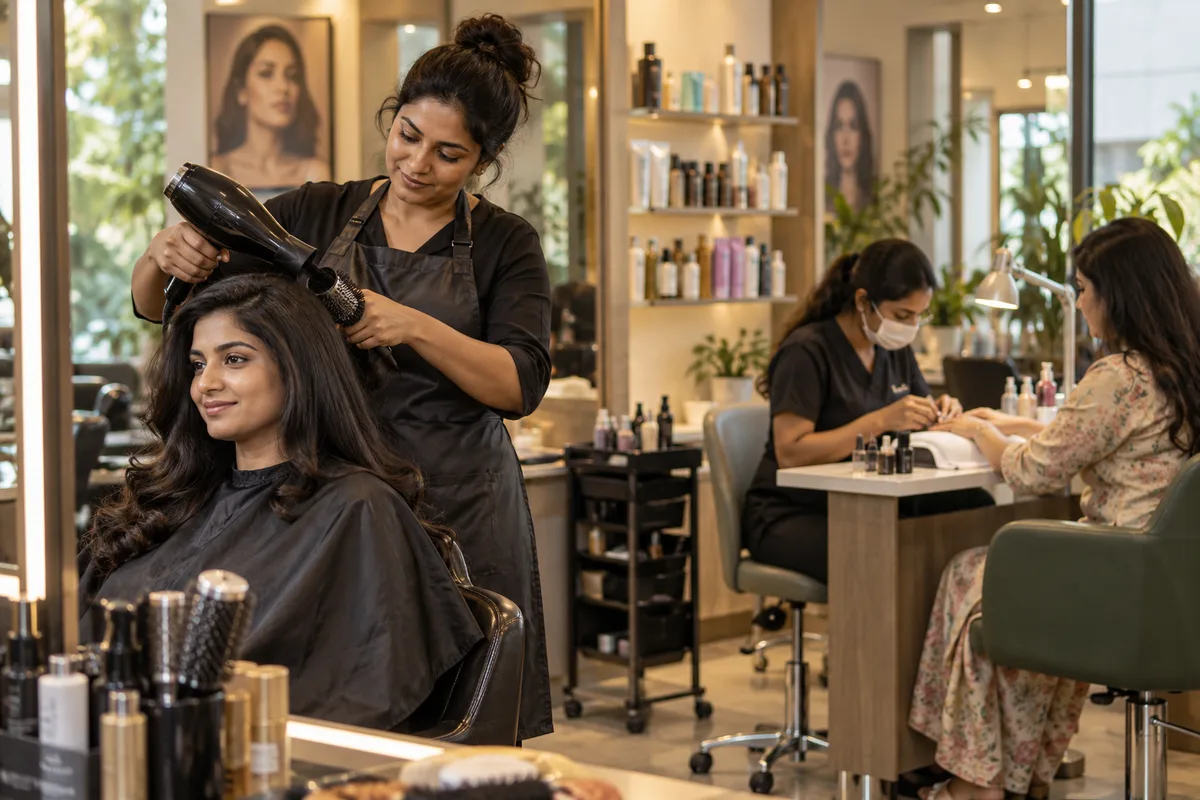
A CRM for a salon is the single customer list holding who visited, which service, which stylist and when they are due again. GullySales works on choosing a tool the front desk will use and on the fields that make rebooking and bridal follow-up possible.
Scope, fee, reporting and term are agreed in writing after we have read your brief and spoken to you.
What CRM means
A CRM is the record where every enquiry, call and quote is kept against a customer, replacing separate notebooks, spreadsheets and memory. GullySales sets up or cleans an existing CRM and reports from it by enquiry outcome rather than by activity logged.
Also for salons and beauty studios
- Lead generation for salons and beauty studios
- Follow-up systems for salons and beauty studios
- Apartment advertising for salons and beauty studios
- Digital marketing for salons and beauty studios
- Email marketing for salons and beauty studios
- Local SEO for salons and beauty studios
- Outdoor advertising for salons and beauty studios
- PPC ads for salons and beauty studios
Sales and marketing for salons and beauty studios, the overview.
Last updated 5 Oct 2026.
For salons and beauty studios
Where it usually goes wrong, and what we would do.
“The regulars live on a stylist's phone”
A senior stylist holds the numbers, the colour formulas and the habits of the regulars. When the stylist moves to another salon, the customers follow because the salon has no record of its own. The list belongs in the business, not in a pocket.
“The appointment diary forgets everything but the slot”
Booking software shows when someone came. It does not say what colour was used, which product was recommended, or that a customer mentioned a wedding next spring. The notes that bring a customer back are the ones the diary has no field for.
“Bridal enquiries need a stage, not a name on a list”
A bride moves from enquiry to trial to booked to done. Without stages, nobody knows whom to call that morning. A record that shows the trial date and the decision date shows who needs a call and who needs a quiet week.
“A tool nobody opens is worse than a notebook”
A system with thirty fields stays empty by Thursday. The front desk fills in what is quick, and skips what is slow. The fields have to be few, and entered at the moment of billing or booking.
What we do
What we deliver for salons and beauty studios.
Every deliverable, what it covers for you, and the result it is there to produce. Nothing here is an extra.
A customer record built around rebooking
Name, number, consent to message, services done, stylist, product used and the date the next visit is due.
Result: Every customer has a due date you can list.
Bridal stages with trial and decision dates
Enquiry, trial booked, trial done, decision awaited, booked and completed, each with the date and the owner of the next call.
Result: You see who the bridal team should call today.
Formula and preference notes kept in the salon
Colour mixes, allergies reported, preferred drinks and the topic the customer last mentioned, entered by whoever served.
Result: A different stylist can serve a regular without starting again.
Consent recorded against each number
A note of whether the customer agreed to messages, and for what, taken at the first booking.
Result: Reminders go only to customers who agreed.
A choice of tool matched to your front desk
A spreadsheet, a booking app with notes, or a CRM such as Zoho, chosen by what your desk will use on a busy Saturday.
Result: The tool matches the habits of the people using it.
Reports on returns and lapsed customers
A list of customers not seen since their usual interval, and a count of first-time visitors who came back.
Result: You can name the customers who have drifted away.
How the result is measured
- Enquiries logged in the CRM
- Data completeness
- Reports generated from CRM data
Recorded as a baseline before work starts, so every later report has an honest comparison.
Fields worth keeping
Keep the formula, the next due date and the consent beside the name.
- Last service and date
- The desk fills it at billing. Lets the follow-up send a touch-up reminder at the right time.
- Stylist
- Filled from the appointment. Shows which regulars follow a stylist, so you can plan if one leaves.
- Formula or cut notes
- Entered by the stylist after the service and kept in the salon. A new stylist can repeat the result.
- Bridal stage
- Enquiry, package sent, trial booked, trial done, confirmed. Owner or manager updates it, and a stalled stage shows.
- Consent to receive messages
- Recorded at the desk with the date. Without it, the customer gets no promotional message.
Who it is for
This is written for these salons and beauty studios.
- Neighbourhood unisex salons
- Ladies beauty parlours and threading studios
- Premium hair studios and colour specialists
- Bridal makeup artists and bridal studios
- Freelance and home-visit makeup artists
- Nail, lash and brow studios
- Men's grooming lounges and barbershops
- Franchise outlets of salon chains
- Skin care and cosmetics brands selling online and through salons
Not for
It is not the right fit if.
- Your front desk is already stretched, and a new record would be filled in once and left.
- You have no policy on who owns the customer list, and a stylist leaving would start an argument.
- You want to store skin or health details without a reason to keep them.
How it works
How the CRM work runs
The work itself, in order. How an engagement starts, from your brief to a written scope, is set out on our method page.
- 1
Map the sales process
We sit with the people who sell and write down how a deal moves from enquiry to payment, including where it stalls.
- 2
Agree stages, fields and owners
Each stage gets a name your team already uses and a proof that the deal has left it. We agree which fields are required at which stage, and who may change what.
- 3
Build on a copy
Pipeline, fields and views are built on a trial copy where the CRM offers one, or in a separate pipeline where the plan allows. Live work stays untouched.
- 4
Connect channels, then switch on automations
Channels are connected first. Each automation is then switched on separately, so a misfiring rule is easy to find.
- 5
Test with real deals
The people who will use the CRM run open deals through it. Gaps are fixed before the whole team switches over.
- 6
Switch over and trim
Once real use shows which fields stay empty and which stages nobody uses, those are cut and the handover record is updated.
Where this fits
Three pieces of sales work, in this order.
This work sits inside sales management. A target, a review routine and someone who owns the number.
Step 1
Sales audit
Find where deals are being lost and what to fix first.
Start here if you cannot say where orders are lost.
Step 2
Sales process design
One written way to sell, from first enquiry to repeat order.
Start here if every salesperson sells differently.
Step 3 · you are here
Sales management
A target, a review routine and someone who owns the number.
Start here if the team has targets and no routine.
FAQ
Questions owners ask before they call.
Not here? More answers, or ask on WhatsApp.
We already use salon billing software. Is that a CRM?
Who owns the customer list, the salon or the stylist?
Is a spreadsheet good enough?
What customer details should the salon not store?
How much does it cost?
How long is the contract?
How soon will we see results?
Who will actually do the work?
What do you need from us?
What if we are not happy with the work?
From the blog
Further reading for salons and beauty studios.
 6 min read · 6 Oct 2026Why wellness members drop out in the second month, and a register to catch itMembers stop coming weeks before they cancel. A simple attendance register with two trigger rules gives your team a reason to call while the member can still be brought back.
 6 min read · 21 Sept 2026Influencer marketing vs social media advertising: which one should you pay for?An ad is a message you control, shown to people you choose. A creator post is a recommendation you do not control, shown to people who chose the creator.
 8 min read · 21 Sept 2026How to write an influencer briefA brief fixes the claim, the offer and the disclosure, and then leaves the creator alone. Hand them a script and you have paid a premium for a bad advertisement.
More for salons and beauty studios
Everything else we would do for you.
Closest to this: leads and follow-up
Also for salons and beauty studios
Or start from the overview: sales and marketing for salons and beauty studios.
Your next practical step
Tell us what you are trying to grow, and we will read it before we call.
Eight short steps, mostly taps. Skip anything you would rather answer on the call.