Notes for owners · Sales management
Packaging print and label work: which enquiries a printing press should reply to first
Label and carton enquiries come from brand owners who reorder, while flyer enquiries are often one-offs. This post shows how to sort the day's enquiries and reply in the right order.
The GullySales team · Updated 17 Oct 2026 · 5 min read
On this page
Reply first to the enquiry that can repeat. A brand owner asking for labels or cartons reorders as the stock sells, so one job can become a steady account. A one-off flyer for a shop opening ends when the shop opens. When several enquiries land together, answer the brand packaging one first, then the corporate stationery, then the flyers, and keep the time for each reply short.
Why packaging enquiries are different
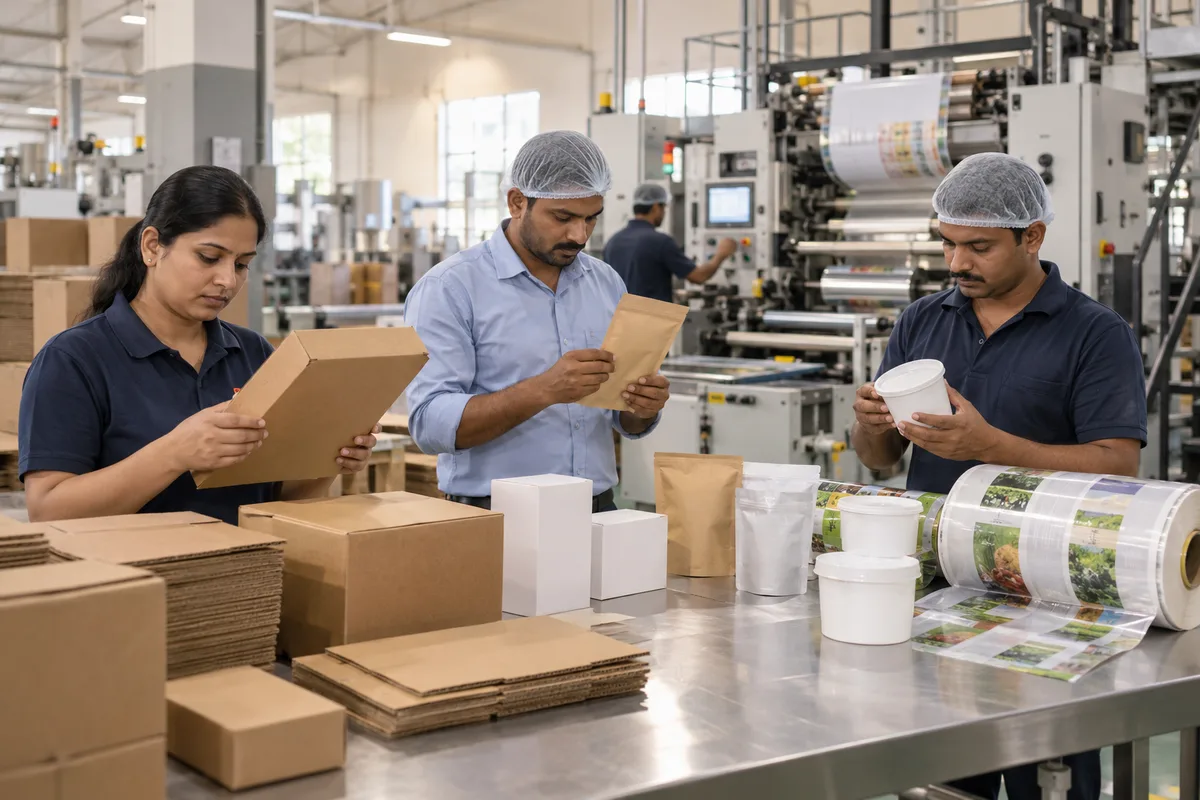
A label is part of the product. If a batch of bottles or boxes is ready and the labels are late, the whole line stops. That makes the buyer anxious about reliability and willing to stay with a printer who proves dependable. The press, in turn, gets the same artwork back with only quantity and date changing.
Packaging also brings details a flyer does not. The label needs the right adhesive for the surface, the carton needs the right board and the die. Because the technical questions are real, the first reply decides whether the buyer thinks you know the work.
A quick sorting table for the morning's enquiries
Read each enquiry for three signals: does it repeat, how much does one job carry, and how soon is the date. Then place it.
| Enquiry | Repeats? | Reply order |
|---|---|---|
| Brand owner: labels for a product that is already selling | Yes, with each batch | First, by phone if a number is given |
| Brand owner: cartons for a launch, artwork not ready | Probably, once launched | First or second; ask about the launch date |
| Company: stationery, forms, invoice books | Yes, but slow and price-led | Second |
| Event: banners, invitations, brochures | Rarely, unless the organiser runs many events | Third, with a quick quote |
| Individual: one flyer or a few cards | No | Last, or a standard rate sheet |
Treat this as a rule of thumb, not a law. A flyer enquiry from the owner of a chain of shops can matter more than a label enquiry from someone with no product yet.
What to ask on the first call
Do not send a rate card to a brand owner. Ask questions, and write down the answers in the enquiry record.
- What product, and what does the label or carton go on or around?
- Size, material and finish if they know them; photographs of the current pack if they do not.
- Quantity for the first lot, and a rough yearly figure.
- Is artwork ready, and who prepared it?
- When do they need the first delivery?
- Do they print elsewhere today, and what do they want changed?
The yearly figure tells you whether this is an account. The sixth question is the useful one: it shows what failed with the last printer, and that failure is what you must not repeat. Labels for regulated products carry content rules that differ by product and by body. Tell the buyer to confirm what must appear with their own adviser, and print only what they approve.
When not to reply first
Do not leap at packaging work you cannot do. If the carton needs a die you do not have or a laminate your machine cannot run, say so within the day and name who could do it. A buyer who is told the truth may send you the work you can do. One who is told yes and then gets a poor result will not.
Skip the rush too when the enquiry has no company name, no number and no product. A message with just "price for 1,000 labels" gives you nothing to qualify. Reply with the six questions in a message and see who answers.
For example: a Moradabad press and a brassware exporter
Imagine a press in Moradabad (the press and the figures are invented) with four enquiries on one morning. There is a wedding invitation, a school's admission flyer and a trader wanting 5,000 bill books. The fourth is a brassware exporter asking about 8,000 printed sleeves for gift boxes.
The owner has been replying in the order messages arrive. The exporter hears back late that evening with a rate of ₹6 a sleeve, quoted without asking the box size. By then the exporter has asked another press, which called the same morning with questions. The first press loses the account on the gap, not on price.
So it changes two habits. Anything about packaging or labels goes to the owner's phone with a flag. The six-question message goes out the same morning. That timing is this press's own choice, and yours should be one you can keep. No rate is quoted until the sleeve size, board and yearly figure are known. The exporter replies with the box dimensions, a request for a matt laminate and an annual figure. The matt laminate adds a few paise a sleeve and a second machine pass, and the first proof comes back with the barcode too close to the fold. The press fixes it before printing, which costs a day. The wedding invitation and the school flyer get a standard rate sheet later the same day. Packaging is the work that repeats, since the exporter's sleeves are reordered with each new consignment.
Check the artwork before you quote
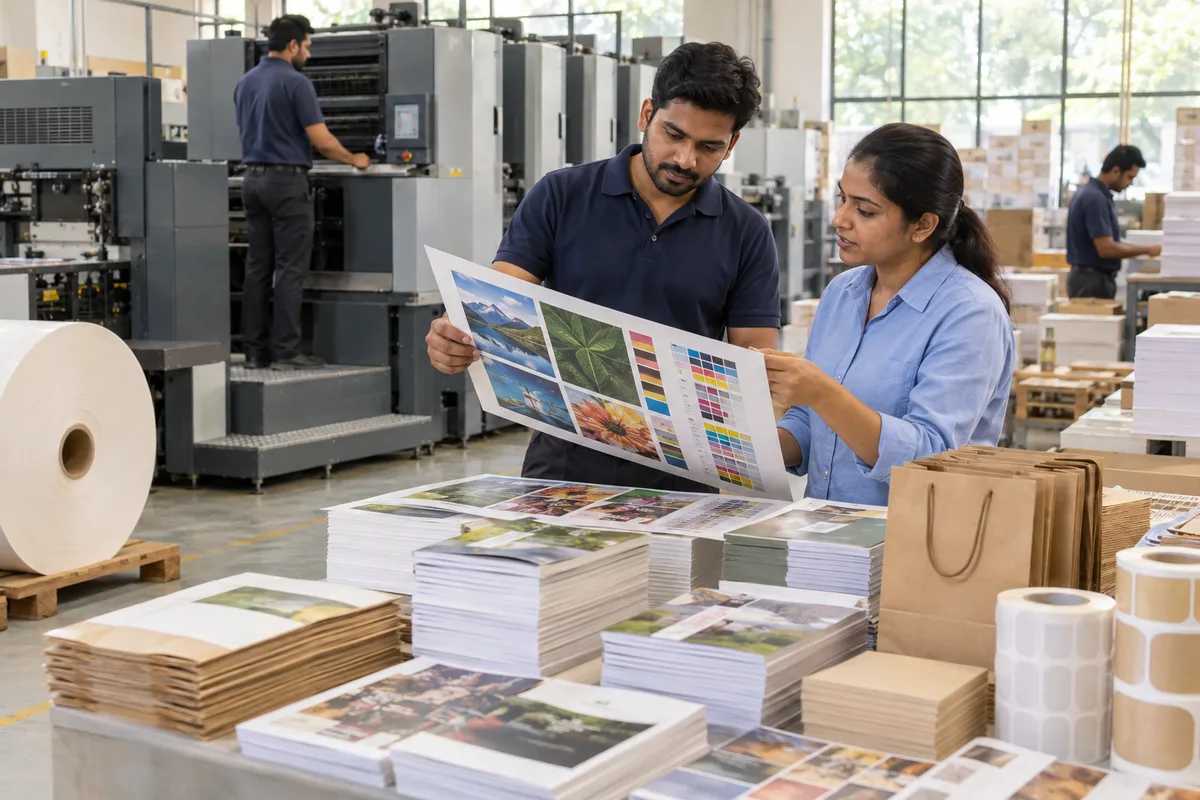
A packaging quote built on the wrong file goes wrong later. When the brand sends artwork, look for four things before the price goes out:
- A dieline, on its own layer, or a clear note of who is supplying it.
- Barcode and mandatory text well clear of the fold and the cut.
- Colours set for print, not copied from a phone screen.
- A finish that matches the quote. A sleeve designed for gloss but quoted on uncoated board is a refund waiting to happen.
Send the buyer a short note of what you found. A buyer who sees you caught a problem before the plates were made has a reason to stay beyond the rate.
One named person per enquiry
If several people see the inbox, two of them will answer the same label enquiry and the brand will notice, or each will assume the other did. Write the rule on one line: the person who spots a label or carton enquiry flags it, the owner or a named senior calls, and the first message is the six questions. Tomorrow morning, put a sticky note on the inbox screen with the six questions and the name of the person who calls. What a buyer weighs after your reply is in how a brand's packaging buyer chooses a supplier, and the wider routine is in how to get more printing orders. The trade itself is described on our paper and printing sales and marketing page. If the sorting is what you want built into your enquiry process, that is lead qualification, and you can tell us what you need.
Related services