Notes for owners · Branding and communication
Photographing clothes on a budget: models, flat lays and what each one shows
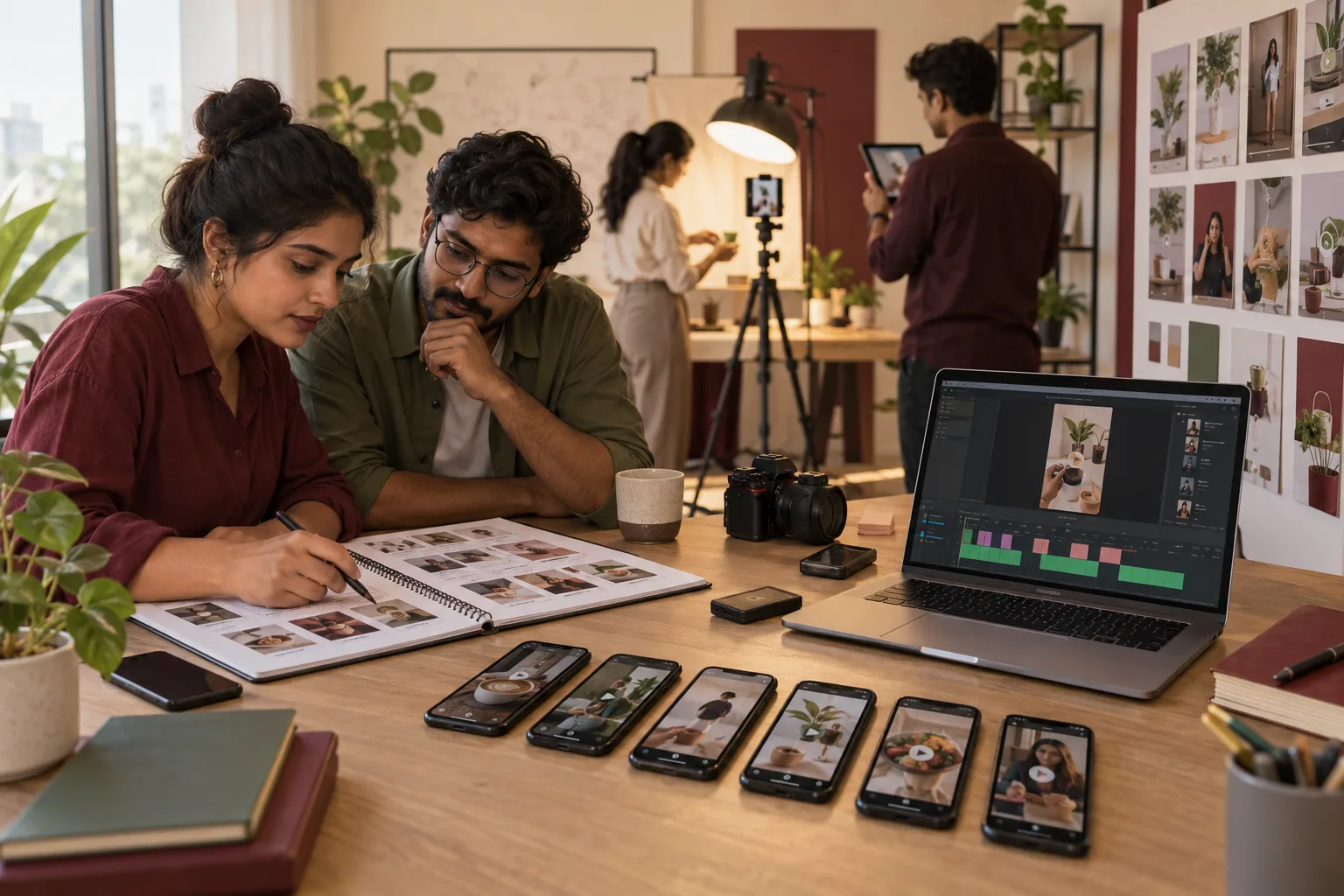
A flat lay shows colour and print, a model shows fit and fall, a close shot shows the fabric, and a short clip of movement answers what no still photograph of clothing can.
The GullySales team · Updated 17 Oct 2026 · 5 min read
On this page
The kurta looked flat on the white sheet, the colour came out two shades off, and the first buyer asked on WhatsApp how long it would be on someone of their height. On a tight budget the answer is usually a flat lay for true colour and print, one model shot for fit and length, and one close shot for the detail that sets the price. A mannequin or a ten-second clip is added only where the garment needs it. Each kind of shot answers a different question, so shoot the question buyers ask about that particular piece, not every method for every product.
Which shot answers which question?
A flat lay is the cheapest shot and the most honest about colour and print placement. It is silent on fit. Fabric laid flat looks stiffer than it is, and a fitted dress on the floor tells the buyer nothing about where it will pull. Use it for T-shirts, kidswear, dupattas, and sarees laid to show the border and pallu.
A model answers fit, length and fall, which are the questions behind most clothing returns. Caption it with the model's height and the size worn; size charts that cut clothing returns gives the wording. Choose models close to your buyers' sizes, and if your range runs wide, shoot one style on two sizes.
A mannequin sits in between. It shows structure without a body, which suits blazers, shirts and blouses where the shape of the shoulder matters. The "ghost" look, with the mannequin edited out, takes editing time, so keep it for pieces where structure sells.
A close shot shows what the buyer would feel in a shop: the weave, the embroidery, the print registration, the lining, the inside seam. It is also where you justify the price. A hand-embroidered yoke shot from two metres away looks like a printed one.
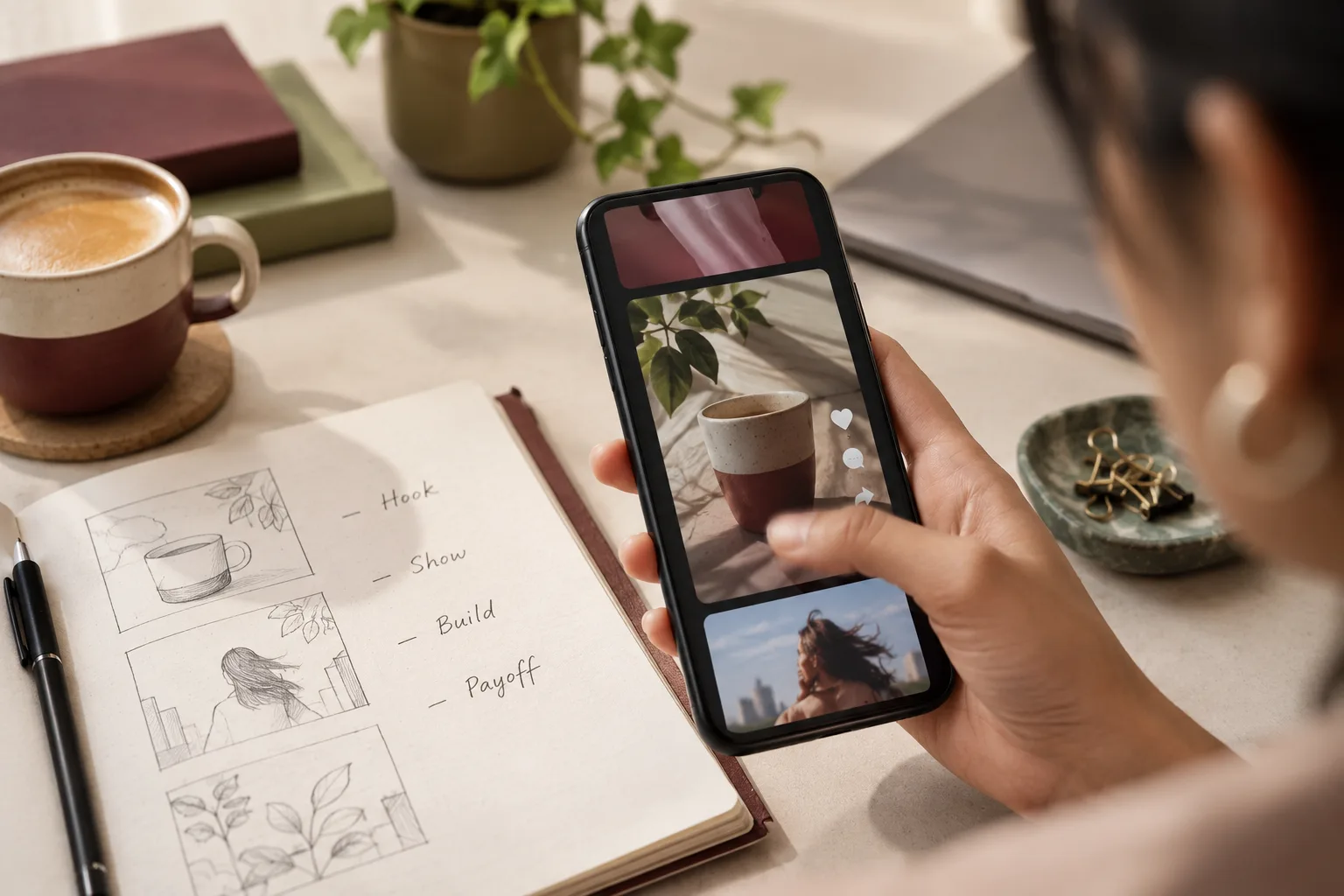
A short video shows movement no still can. A lehenga flaring as the model turns, a saree's pallu falling, jeans stretching as the model sits. Ten seconds on a phone is enough, and the same clip works as a reel.
A shot list for one style
Use this list for each style, then drop the shots that do not apply. A plain T-shirt needs four. A bridal lehenga needs all of them and more.
- Front, full length, on a model, with the height-and-size caption.
- Back, same framing.
- Side or three-quarter, to show the fall.
- Flat lay or mannequin, square on, for true colour and print placement.
- Fabric close-up in daylight, filling the frame.
- The detail that sets the price: zari border, mirror work, hand-stitched hem, the buttons.
- Sheer or light fabrics only: one shot held against a window, so buyers can see whether they will need an inner.
- A ten-second clip: walk towards the camera, turn, sit.
Shot 7 is the easiest to skip. "Too see-through" is a fair complaint when nothing on the page showed it. How to cut returns without making your page lie shows how to find the returns it would have prevented.
Shots only clothing needs
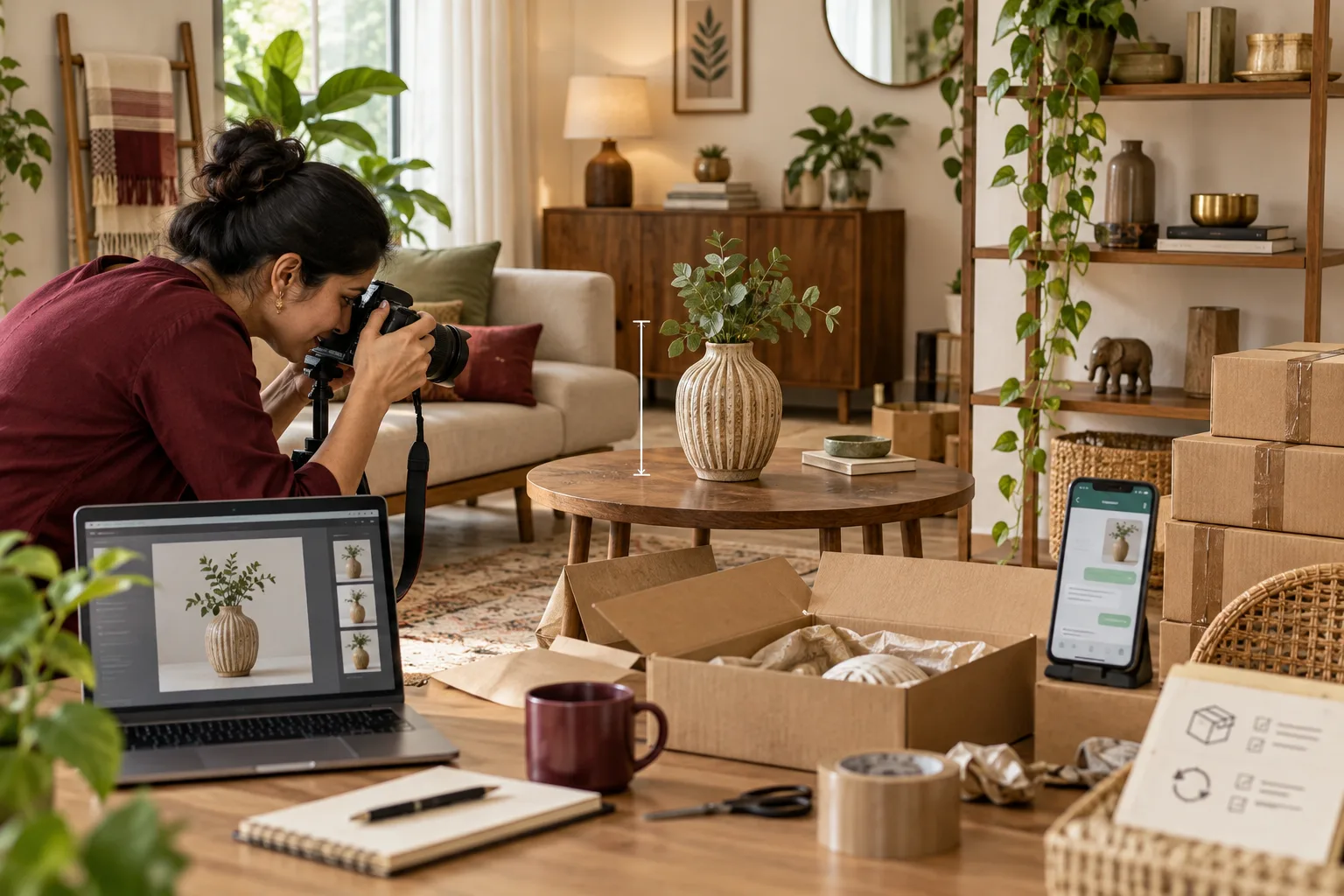
Light is the same for every product: a large window, room lights off, a white sheet on the shadow side. Our post on product photography on a small budget sets that up. What follows is what only clothing asks of the camera.
- Sarees: one full drape on a model for the fall, then the pallu opened out flat across its full width. A drape shows only the slice of pallu that sits on the shoulder.
- The border: a close shot along its length, and both faces if it can be worn either side out. Pleats fold it away in every model shot.
- Blouse piece: laid out beside the saree with a tape measure along it, never folded underneath, so the buyer can see whether it will make the sleeves they want.
- Dupattas: worn once, then held up at full length by two people. Folded over a shoulder, a dupatta hides both its length and its end borders.
- Kidswear: flat lays for colour, but one shot on a child of the stated age for length, because parents want to see where a frock ends. Shoot on a child only with a parent's written permission.
For example: Maheshwari sarees from a weavers' group
Imagine an invented weavers' group in Maheshwar, Madhya Pradesh, selling cotton-silk sarees through its own site. A hired photographer, at ₹800 a saree, shot every saree on a model, draped, in good light. The pictures were lovely. But the pleats folded the border away, and the pallu showed only as a strip over the shoulder. Buyers kept asking on WhatsApp for "a photo of the pallu", and one wrote that they had not known the border could be worn either side.
The mistake was letting a model shot stand in for the whole saree. The drape sold the mood and hid the two things a Maheshwari buyer compares. The group kept one model shot for the fall and added three plain ones. The pallu was opened flat across a bed, the border folded to show both faces, and the blouse piece laid out beside a tape. The pallu shot became the second image on every listing, so the question was answered before the chat began. Sales did not jump overnight (the figures here are invented), but the "photo of the pallu" messages mostly stopped. The reshoot of 40 sarees by phone cost a weekend, and 6 of them still drew colour complaints because the window light changed through the day.
What goes in the parcel and on the saree page is in selling kurtas, sarees and ethnic wear online.
When to spend more, and when not to
Hire a photographer for the moments that carry the brand: a launch, the festive drop, a lookbook for wholesale buyers. Bring the garments steamed and sized, with the saree borders pinned open or the kurta hems pressed, because a model's hour is wasted while someone irons. A paid shoot is wasted if half the frames show the same angle.
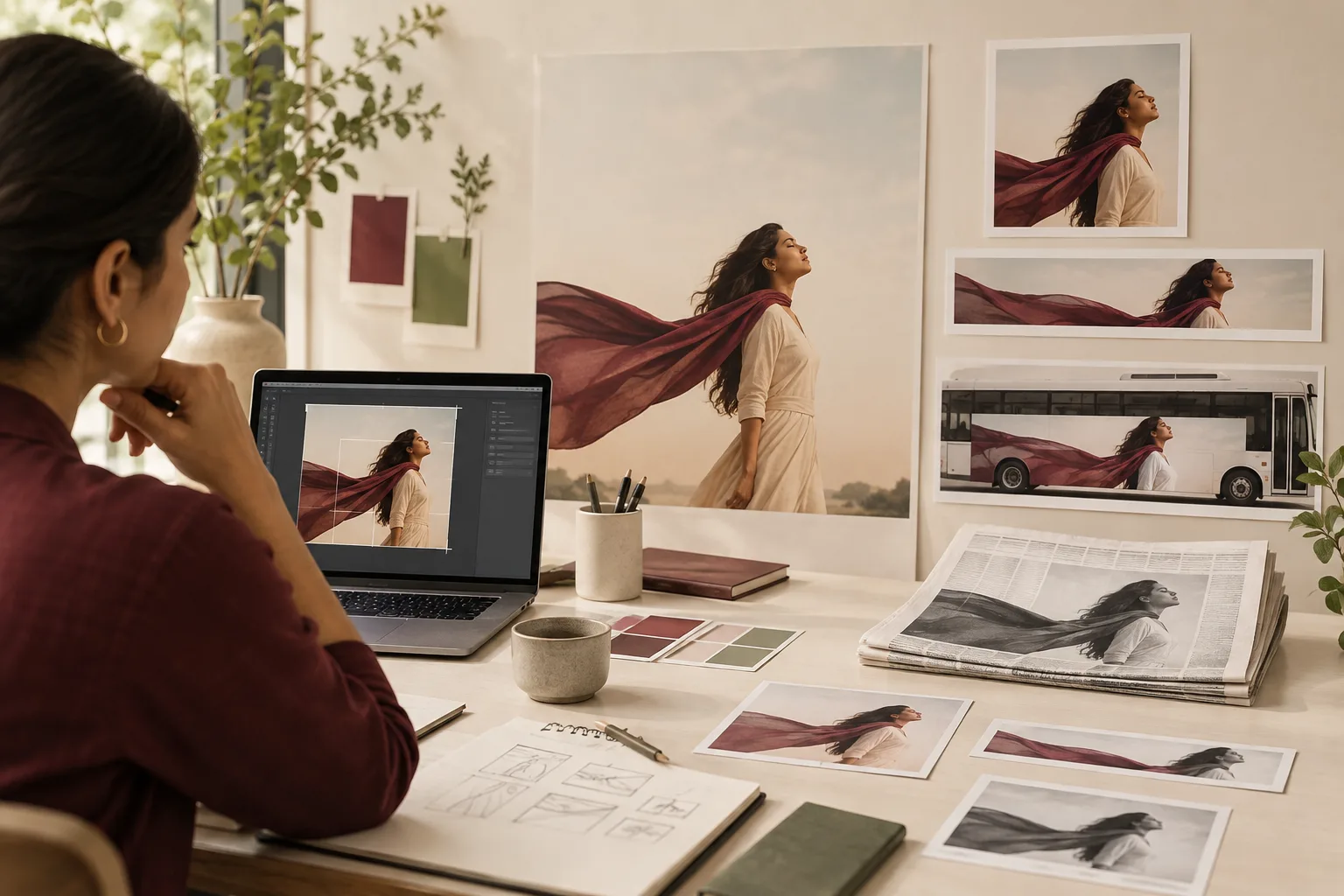
Do not pay for a model shoot of every colour of a basic. One model shot shows the fit. Flat lays do the rest. And be wary of heavily styled shoots with props, filters and moody light. They look like adverts and hide the product, and a buyer who cannot see the garment will not risk the order.
If you sell on marketplaces as well as your own site, plan the main image around the platform's rules and let the rest of the set sell.
What to do next
Read the last batch of chats and return reasons and sort them into fit, colour, fabric and movement. Each pile points to one missing shot. Reshoot the style that draws the most questions first, using the shot list above, before touching the rest. Photography sits beside the rest of an online store's work in our e-commerce sales and marketing section, and short-form video and reels production is the service for the clips. If the questions point somewhere photographs cannot reach, tell us what you need.