Auto glass, window film and tinting studios · Lead generation
A cracked windscreen is an urgent enquiry, and a film job is a planned one.
Lead generation for an auto glass and tinting studio means filling the bay with two kinds of enquiry: the owner with a broken windscreen who wants it fixed now, and the owner who has been thinking about film for weeks. GullySales works on the sources, the reply and the record that keep both coming.
Scope, fee, reporting and term are agreed in writing after we have read your brief and spoken to you.
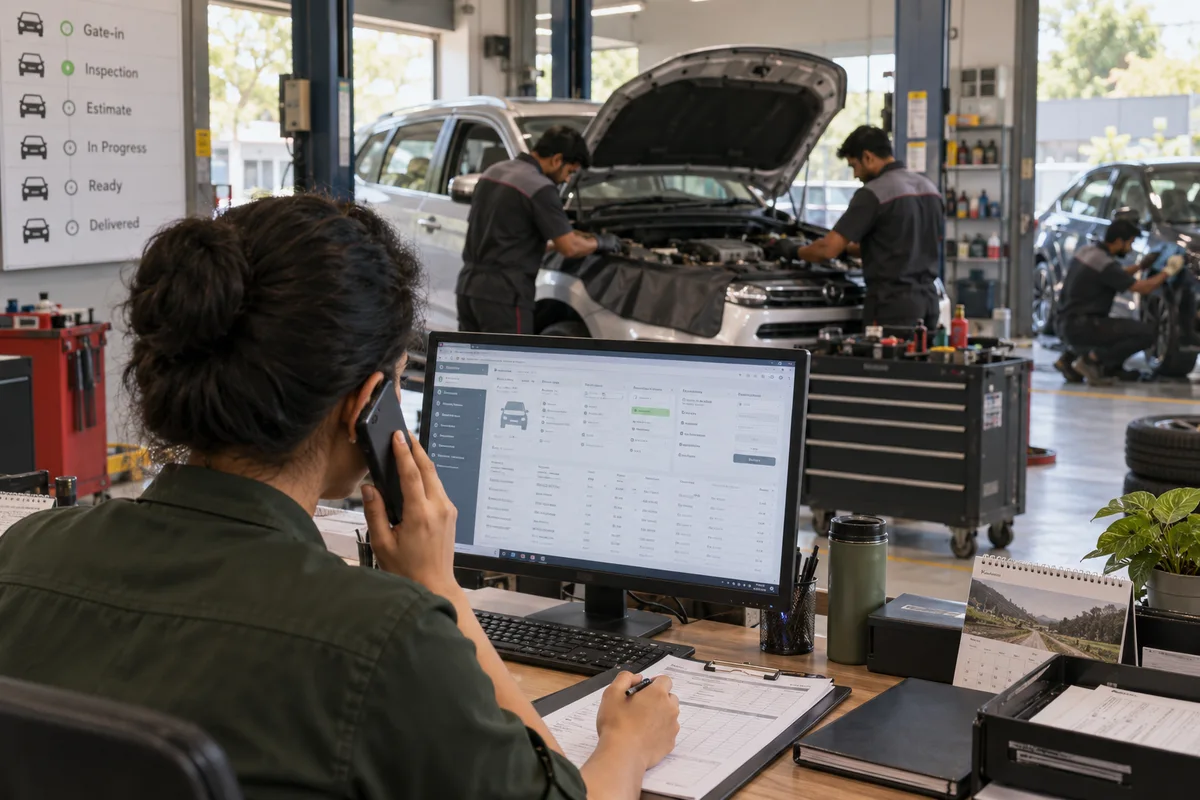
What lead generation means
Lead generation is the combined work of every channel that brings in a new enquiry, whether from search, adverts, referrals or a stall at an exhibition. GullySales runs these channels together and reports the number of enquiries each one produced, not the activity behind it.
Also for auto glass, window film and tinting studios
- CRM for glass and tinting studios
- Follow-up systems for glass and tinting studios
- SEO for glass and tinting studios
- Local SEO for glass and tinting studios
- Social media marketing for glass and tinting studios
- Content marketing for glass and tinting studios
- Buyer personas for glass and tinting studios
- WhatsApp marketing for glass and tinting studios
Sales and marketing for auto glass, window film and tinting studios, the overview.
Plan the next part of the work
Last updated 21 Nov 2026.
For auto glass, window film and tinting studios
Where it usually goes wrong, and what we would do.
“The windscreen buyer gives you one call”
A person with a cracked screen rings a few studios and books the first that answers with a slot and an insurance answer. Lead generation here means being found and answered at once, not running a long nurture.
“Film buyers arrive from a different place”
Someone planning film for a new SUV has asked the showroom, a friend and a video channel. They reach the studio with a shade in mind and a worry about a challan. The source of that lead is a page that answers the worry before the call.
“Workshops and dealers send glass work quietly”
Body shops, dealers and insurance surveyors place windscreen jobs with a studio they trust. Nobody advertises for those leads, yet a named contact at each workshop outlasts a season of paid clicks.
“Fleet enquiries come from a desk, not a driver”
A cab operator or a school transport head wants a rate sheet and a person to call. That lead does not search like a private owner, so it has to be found, approached and written to.
What we do
What we deliver for auto glass, window film and tinting studios.
The work available for this need. We agree the deliverables and responsibilities for your engagement in writing.
A list of where each job came from
Every enquiry logged as Maps, search, workshop, dealer, fleet or walk-in, with the job type beside it, drawn from your own booking book.
Result: You can see which source pays for the bay.
A glass enquiry reply with the answers owners want
A first message that states whether the car can be fitted today, how cashless insurance works at your studio and what the owner should bring.
Result: The owner gets what they asked in the first reply.
A film enquiry page with shades and paperwork explained
A page that names the film makers you fit, the warranty paperwork and the shade rules in general terms, with the advice to check state rules with your own adviser.
Result: The film buyer arrives informed, not suspicious.
A partner list of workshops and surveyors
A short list of local body shops, dealers and surveyors, with a named contact and a reason to send you work.
Result: Referral jobs have a name behind them.
A fleet approach pack
A one-page rate sheet and a message for transport heads, written for the person who signs the invoice.
Result: Fleet desks hear from you before they need glass.
How the result is measured
- Relevant enquiries by source
- Duplicate and unsuitable enquiries
- Time to the first response
- Accepted enquiries reaching an agreed next step
Recorded as a baseline before work starts, so every later report has an honest comparison.
What to capture or send
Capture what a glass or film enquiry needs so the bay slot can be given in one reply.
- Car make, model and year
- A windscreen is cut to a model and sometimes to a variant. The desk records it first, so the glass can be checked in stock before any slot is promised.
- Photograph of the crack or the glass
- Shows whether it is a chip that can be repaired or a crack that needs replacement. Ask for it in the first reply and save it against the enquiry.
- Insurance or self-pay
- Noted at first contact. A claim needs the policy details and an insurer step, and a self-pay job can be booked straight away. Mixing them up wastes the owner's day.
- Sensors and cameras behind the glass
- Rain sensors, lane cameras and heated glass change the part. Ask whether the car has them, and record the answer for the fitter.
- Film enquiry: shade and windows wanted
- Record which windows and the shade or brand asked for. Say in the reply that rules on film differ by state, and check with the transport authority before fitting.
Who it is for
This is written for these auto glass, window film and tinting studios.
- Windscreen and door glass replacement for private cars
- Windscreen chip and crack repair
- Sun-control film and tinting for cars and SUVs
- Studios that handle insurance cashless glass claims
- Paint protection film and ceramic coating studios
- Sunroof glass and rear glass replacement
- Fleet glass and film for cabs, school buses and staff transport
- Architectural and home window film installers working beside the car studio
Before you decide
When this may not be the right fit.
- Your bay is full for the coming days and you cannot take a cracked windscreen at short notice, which is the job an urgent owner wants.
- You have not decided whether you handle insurance claims, so half of the enquiries would end on an answer you cannot give.
- Nobody can take a call or message during working hours, and an urgent enquiry goes elsewhere.
Before you decide
Agree the work. Know how to judge it.
Lead generation for glass and tinting studios: use these checks to prepare, choose the scope, and review what changes.
Bring the right evidence
Define the organisations or buyers you can serve and the reasons they would consider a conversation. Bring examples of accepted and rejected prospects so the selection rule is visible.
Make the scope clear
Agree the research sources, contact approach, qualification rules, and handover. Clarify which meetings count as accepted and what happens to replies that are not ready to buy.
Check the work in use
Review why a prospect was selected and what was learned from the response. Count held, relevant conversations separately from contacts found, messages sent, or meetings booked.
Know when to change course
If the same objection appears repeatedly, adjust the offer or buyer group before increasing outreach. Respect a request to stop contact and keep the exclusion in the record.
These are discussion points, not a fixed package. GullySales confirms the deliverables, responsibilities, fee, and term in writing after reading your brief and speaking with you.
Before we start
What to have ready before the work starts.
The records, access and decisions this work needs from auto glass, window film and tinting studios. Anything missing is noted in the written scope, with who will supply it.
- The job book for the last busy season
- To see which sources bring windscreen and film work, we need a record of real jobs with the car and the service. A register or photographs of pages will do. Without it, we start with a blank source tally and learn from new enquiries alone.
- Your glass stock position by car model
- An owner with a cracked screen wants to know if you have the glass. Bring a view of which models you hold, which you order and which you do not fit. Without it, the first reply must promise nothing, and enquiries cool while the desk checks.
- Names of workshops and surveyors who refer
- Garages, dealers and claim surveyors send glass work without advertising. Bring the names of those who already do, and what they expect on handover. If you have none, we prepare a short note for you to take to them first. The list is kept at the desk.
- A decision on who takes film enquiries
- Film buyers need a person who can talk about shades, paperwork and warranty, which is different from the urgent glass desk. Name who answers each. If one person must handle both, tell us, and we write the replies to suit a single phone. Their rules decide how we word the reply.
- The list of cars and glass you decline
- Saying no early saves everyone's time. Tell us which models, damage types or film jobs the studio does not take. Without that boundary, the filter has nothing to work from, and the desk spends effort on enquiries that cannot become jobs.
How it works
How the lead generation work runs
The work itself, in order. How an engagement starts, from your brief to a written scope, is set out on our method page.
- 1
Read the job book for glass against film
We begin with your job book, noting which jobs were windscreens, door glass, film or coating, and what each was worth to the bay. You tell us which type the studio wants more of. That split decides which kind of enquiry we go looking for first.
- 2
Tag where each windscreen caller was found
For the last batch of glass jobs you recall, we mark how the owner reached you: a map result, a workshop, a surveyor, a friend or a dealer. You fill the gaps from memory. The tagged list shows which doors already bring urgent work. Those words are copied into the tally.
- 3
Write the first reply for a cracked screen
We draft the answer a desk gives to a stranded owner, asking for the car model, a photograph and the insurance position, and offering the earliest slot. You rewrite it in your own voice. It is read aloud at the desk before anything goes live.
- 4
Prepare the film page and the paperwork note
We write the page a film buyer reads: shades in plain words, what the studio fits, and the papers an owner should ask about. You check each statement against what you actually install. Anything you cannot stand behind is removed before publishing. Each source gets a name on the sheet.
- 5
Send test enquiries through each route
We send a dummy windscreen enquiry and a dummy film enquiry through the form, the listing and the messaging link, and watch where each lands. Your desk replies as they would to a real owner. Any route that is missed is fixed and tested again.
- 6
Read booked jobs against the opening split
Before opening any new source we noted the glass and film jobs and where they came from. Afterwards we read the tagged job book against that split, in calls, walk-ins and booked cars. You decide which source earns more of the studio's effort. Nothing is cut without your word.
Where this fits
Three pieces of sales work, in this order.
This work sits inside sales process design, at stage 1, prospecting and lead generation. The audit comes before it, and sales management keeps it running.
Step 1
Sales audit
Find where deals are being lost and what to fix first.
Start here if you cannot say where orders are lost.
Step 2 · you are here
Sales process design
One written way to sell, from first enquiry to repeat order.
Start here if every salesperson sells differently.
Step 3
Sales management
A target, a review routine and someone who owns the number.
Start here if the team has targets and no routine.
FAQ
Questions owners ask before they call.
Not here? More answers, or ask on WhatsApp.
Should we pay for clicks on windscreen searches?
How do we know which lead source is worth it?
Do film leads and glass leads need different handling?
Should film and glass enquiries go to the same person?
Which enquiry source should we switch off first if it underperforms?
How much does it cost?
How long is the contract?
How soon will we see results?
Who will actually do the work?
What do you need from us?
More for auto glass, window film and tinting studios
Related work to consider.
Closest to this: leads and follow-up
Also for auto glass, window film and tinting studios
Or start from the overview: sales and marketing for auto glass, window film and tinting studios.
Your next practical step
Tell us what you are trying to grow, and we will read it before we call.
Eight short steps, mostly taps. Skip anything you would rather answer on the call.