Driving schools · Follow up systems
Call the learner who thought it over, and the one who stopped coming.
A follow-up system for a driving school is a set of steps for the enquiry that did not book and the learner who missed sessions. Each step has an owner, a message and a note of the reply. GullySales designs the steps and the register that tracks them.
Scope, fee, reporting and term are agreed in writing after we have read your brief and spoken to you.
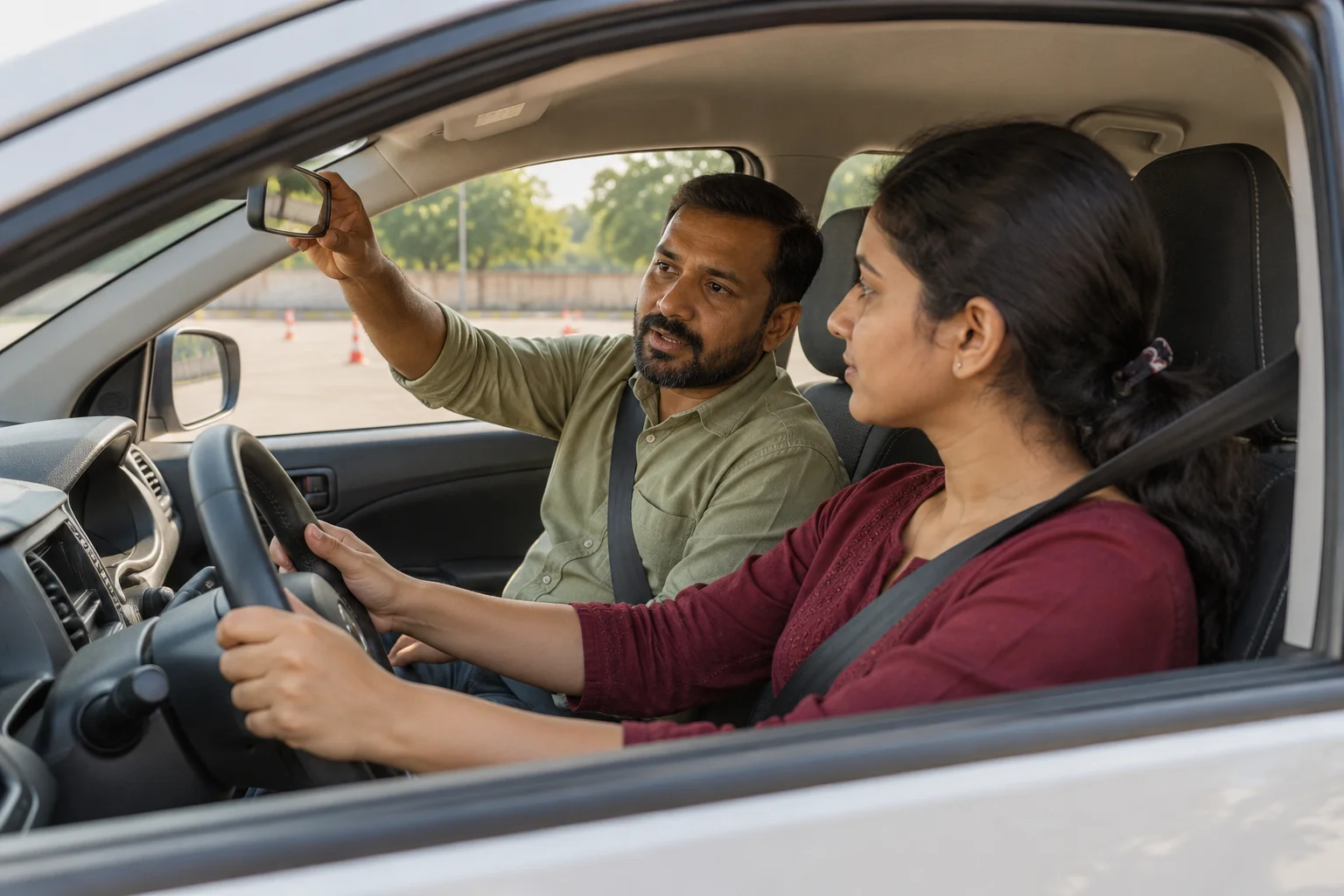
What follow up systems means
A follow-up system is the set routine for calling, messaging or emailing an enquiry more than once, since most buyers do not decide on the first conversation. GullySales sets the number and timing of follow-ups so an undecided buyer keeps hearing from you until they decide either way.
Last updated 14 Nov 2026.
For driving schools
Where it usually goes wrong, and what we would do.
“The learner thinks it over while a rival calls”
A typical enquiry asks the fee, says it will call back and goes quiet. The school that reached out with a first-session offer is remembered, and the one that waited is not.
“A missed session is a warning”
A learner who skips two sessions may be afraid, busy or unhappy with the instructor. Each reason needs a different answer, and silence leaves the school guessing.
“The instructor is the wrong person to chase”
An instructor teaching all morning cannot also chase fees and missed batches. Follow-up belongs with the desk, with a clear note back to the instructor.
“A follow-up that sounds like a bill drives people away”
Message tone matters. A warm check on how the lessons feel gets a reply. A cold reminder about unpaid fees ends the relationship.
What we do
What we deliver for driving schools.
The work available for this need. We agree the deliverables and responsibilities for your engagement in writing.
An enquiry follow-up sequence
A set of messages and a call for every enquiry that did not book, each with a stated reason to get in touch.
Result: Every enquiry gets a human follow-up.
A missed-session routine
A rule that sends a call from the desk when a learner misses two sessions, with a note of the reason in the register.
Result: Reasons for dropping out are recorded, not forgotten.
A test preparation offer
A message to learners nearing the end of the course about practice slots before the test.
Result: Finishing learners hear about the next step.
A past-learner list
A list of former learners for the occasions when a family member needs a course.
Result: Old learners are asked, not forgotten.
A review request at the right moment
A request sent after a learner has had enough lessons to judge, once and kindly.
Result: Reviews come from learners who have actually driven with you.
How the result is measured
- Follow-up completion rate
- Average number of follow-ups before close
- Enquiries closed after repeat follow-up
Recorded as a baseline before work starts, so every later report has an honest comparison.
What to capture or send
Follow-up for a driving school tracks a decision, a lesson and a test.
- Call to the learner who said they would think
- Record the vehicle, the batch and the worry, so the call opens with a slot and not with the school's name.
- Message after a missed lesson
- A kind message that offers another slot, with no mention of money, recorded with the reason the learner gave.
- Reminder the evening before a lesson
- A short message with the pick-up point and the instructor's name, sent only to learners who agreed.
- Test preparation offer
- A message to a learner near the test, offering a ground session and the documents checklist.
- Request for a review after enough lessons
- A polite message after the learner has driven enough to judge, with a link to the profile and no offer in return.
- Call to a past learner
- A message to a learner from last year, inviting their relative or friend to join, sent only with their agreement.
Who it is for
This is written for these driving schools.
- Car driving schools teaching first-time learners
- Two-wheeler and scooter training schools
- Women-only driving instruction
- Refresher courses for those who hold a licence but fear the road
- Automatic transmission and electric car training
- Driving schools that handle learner's licence and test booking support
- Heavy vehicle and commercial driver training
- Corporate and fleet driver training
Before you decide
When this may not be the right fit.
- The learner stopped because of a bad experience with an instructor that has not been dealt with, so a reminder would add insult
- No one is named to call, and the instructor is busy teaching, so the follow-up list would not be worked
- The learner has said they have joined another school, and a further message would be unwelcome
Before you decide
Agree the work. Know how to judge it.
Follow-up systems for driving schools: use these checks to prepare, choose the scope, and review what changes.
Bring the right evidence
Trace recent enquiries from arrival to the last recorded action. Include a won enquiry, an unsuitable one, and one that went quiet, with personal details removed for the initial discussion.
Make the scope clear
Agree who accepts each enquiry, what makes it qualified, and how ownership changes. Include a rule for missed replies and a clear reason for closing an enquiry.
Check the work in use
Pick an enquiry at random and ask the team to find its owner, latest conversation, and next action. Check that the record agrees with what actually happened.
Know when to change course
If no one has capacity to respond, assign that responsibility before buying more leads. Automation can support the owner, but it cannot replace an unresolved handover.
These are discussion points, not a fixed package. GullySales confirms the deliverables, responsibilities, fee, and term in writing after reading your brief and speaking with you.
Before we start
What to have ready before the work starts.
The records, access and decisions this work needs from driving schools. Anything missing is noted in the written scope, with who will supply it.
- The enquiry register with outcomes
- Who enquired, when, for which course, and what happened. If the outcome was never written, the desk fills it in from memory. A thin record makes our first counts less reliable, and the first review of lost enquiries will rest on the desk's memory.
- Attendance records for recent batches
- The sheet showing who attended which sessions. It lets us see who stopped and when. Without it, the missed-session routine rests on guesses, and we may chase a learner who has simply finished the course.
- Message permission from learners
- Which learners agreed to messages beyond booking. A number given for a session reminder does not mean agreement to offers. Bring what you have, and learners without a recorded yes are reached for their sessions only.
- A decision on how many contacts are enough
- Only you can say how many times the desk should contact an enquiry. We suggest a limit and you confirm. Without it the list never ends.
- A kind way to ask for fees
- Your own wording for reminding a learner about a pending fee. It must not sound like a threat. Tell us how you handle it now and what has gone wrong before, so the new wording avoids a repeat of the awkward call.
How it works
How the follow up systems work runs
The work itself, in order. How an engagement starts, from your brief to a written scope, is set out on our method page.
- 1
Sort the enquiries that did not book
We take the enquiry register for a season and sort the enquiries that did not become bookings: no reply, said they would think, chose a rival, started and stopped. You tell us the story behind a few. This shows where the trail goes cold and what kinds of silence need a plan. A learner who said they would think about it is different from one who stopped answering after the fee was quoted, and the desk should treat the two differently.
- 2
Name the owner of each step
With your manager we decide who calls an enquiry that has not booked, who contacts a learner who missed a session, and who asks for a review. The instructor is not the person to chase for a fee. Each step has an owner whose name is written in the register.
- 3
Write the steps for an enquiry that went quiet
We draft the order of contacts for an enquiry: a call the same day, a message with the course and the batch timings, and a later call that offers a first session. You set the number of attempts from your own judgement. The wording is polite and asks for nothing the learner has not asked about. If the enquiry was about a two-wheeler course, the message does not mention the car course, and the first session offered is on a day the learner said was free.
- 4
Draft the missed-session routine
We write what the desk says when a learner misses a session: a message asking whether all is well, then a call from the instructor if there is no reply. A missed session can mean fear or a clash with work, so the tone is kind. The wording never sounds like a bill.
- 5
Build the test preparation and past-learner lists
We list learners nearing the end of their sessions for the test preparation offer, and past learners for a friendly message about refreshers or a new family member. Only learners who agreed to messages are included. You approve every message before it goes. The test preparation offer describes what the extra sessions cover, such as parking and the test route, and it says nothing about whether the learner will pass.
- 6
Read the results against the starting counts
After a season we compare enquiries that booked, missed sessions that returned and reviews received with the counts taken before we started. You and the desk read the reasons noted for lost enquiries. We report as it is and promise no number of bookings.
Where this fits
Three pieces of sales work, in this order.
This work sits inside sales process design, at stage 2, qualification. The audit comes before it, and sales management keeps it running.
Step 1
Sales audit
Find where deals are being lost and what to fix first.
Start here if you cannot say where orders are lost.
Step 2 · you are here
Sales process design
One written way to sell, from first enquiry to repeat order.
Start here if every salesperson sells differently.
Step 3
Sales management
A target, a review routine and someone who owns the number.
Start here if the team has targets and no routine.
FAQ
Questions owners ask before they call.
Not here? More answers, or ask on WhatsApp.
How many times should we follow up?
Should follow-up be by call or message?
What do we say to a learner who stopped because of fear?
When should the school ask for a review?
What do we say to a learner who left because of fear?
Should the school call or message first?
How much does it cost?
How long is the contract?
How soon will we see results?
Who will actually do the work?
More for driving schools
Related work to consider.
Closest to this: leads and follow-up
Also for driving schools
Or start from the overview: sales and marketing for driving schools.
Your next practical step
Tell us what you are trying to grow, and we will read it before we call.
Eight short steps, mostly taps. Skip anything you would rather answer on the call.