Forex and currency exchange dealers · CRM
Keep each remittance, card and travel enquiry in one record across outlets.
A CRM for a forex dealer is a shared record of every enquiry, purpose, document status and follow-up, across counters and staff. GullySales works on the fields, the stages and the consent notes, with your adviser confirming what data rules require.
Scope, fee, reporting and term are agreed in writing after we have read your brief and spoken to you.
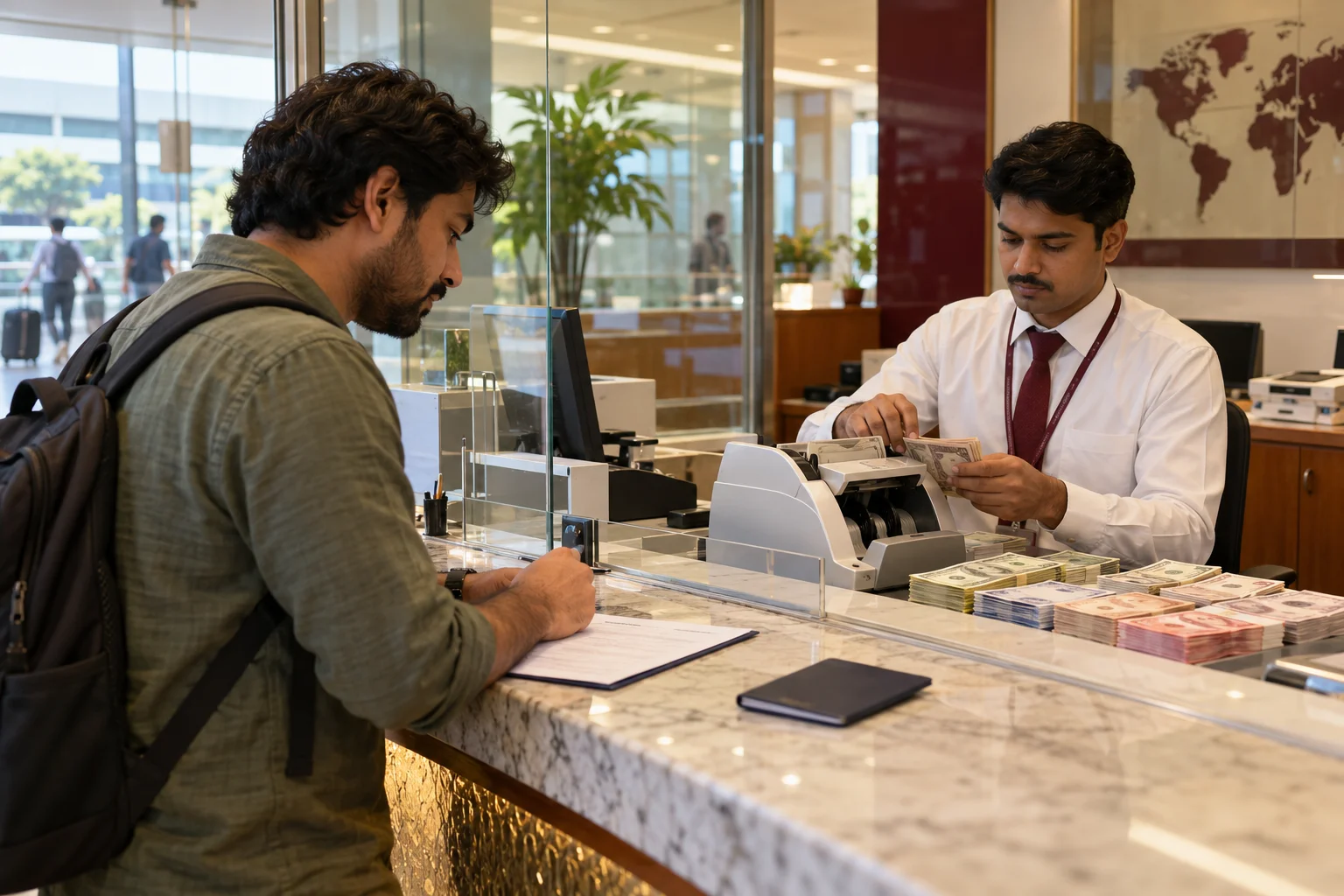
What CRM means
A CRM is the record where every enquiry, call and quote is kept against a customer, replacing separate notebooks, spreadsheets and memory. GullySales sets up or cleans an existing CRM and reports from it by enquiry outcome rather than by activity logged.
Also for forex and currency exchange dealers
Sales and marketing for forex and currency exchange dealers, the overview.
Last updated 22 Oct 2026. Rules for this trade differ by state and professional body, and they change. We describe restrictions in general terms, so check the current position with your own council or adviser before you publish anything.
For forex and currency exchange dealers
Where it usually goes wrong, and what we would do.
“A traveller is quoted twice at two counters”
Without a shared record, the airport counter and the city branch do not know the same customer called both. A record shows the whole journey. A shared note saying the customer rang another outlet saves a repeated explanation.
“Document status is the real pipeline”
A family with half the papers is not ready to transact. The stage that matters is which documents are in and which are missing. Add a stage for papers received so staff do not guess.
“Business customers rely on one person”
An importer's account handled by a single staff member leaves the rest of the team blind. A record carries the relationship. Write the relationship notes in the record, not in a private diary.
“Consent matters more than usual”
Personal and financial details are sensitive. Keep only what you need, record consent for reminders and take advice on data rules. Restrict who can see sensitive entries and take your adviser's view on retention.
What we do
What we deliver for forex and currency exchange dealers.
Every deliverable, what it covers for you, and the result it is there to produce. Nothing here is an extra.
A record for each enquiry
Purpose, traveller or student, date needed, documents received and next step.
Result: Anyone can pick up the case.
Pipeline stages by document status
Stages such as enquiry, documents pending, ready and completed.
Result: You see which enquiries are blocked.
A shared view across outlets
One list for all counters.
Result: Customers are not quoted twice.
A consent field
Whether the customer agreed to reminders and how they want to be contacted.
Result: Reminders respect consent.
Access rules
Who can see which records.
Result: Sensitive details stay with those who need them.
A review of blocked cases
A short check you schedule for enquiries waiting on documents.
Result: Blocked cases are nudged.
A guide for new staff
A one-page note on what to record.
Result: New hires fill the record correctly.
How the result is measured
- Enquiries logged in the CRM
- Data completeness
- Reports generated from CRM data
Recorded as a baseline before work starts, so every later report has an honest comparison.
Who it is for
This is written for these forex and currency exchange dealers.
- Full-fledged money changers at airports and city centres
- Authorised dealers handling remittances and forex cards
- Student-focused forex advisers near colleges and consulting offices
- Travel agency forex desks
- Hajj, Umrah and pilgrim travel currency services
- Corporate forex desks for importers and exporters
- Medical travel and tourism currency exchange
- Bank-linked and co-operative forex counters
How it works
How the CRM work runs
The work itself, in order. How an engagement starts, from your brief to a written scope, is set out on our method page.
- 1
Map the sales process
We record how a deal actually moves from enquiry to close in your business today.
- 2
Configure stages and fields
The CRM's pipeline and fields are built to match that process exactly, not a generic template.
- 3
Set up automations
Reminders, assignment rules and follow-up triggers are configured so routine steps happen without manual effort.
- 4
Test with real deals
We run the configuration against actual current deals to catch gaps before the whole team relies on it.
Where this fits
Three pieces of sales work, in this order.
This work sits inside sales management. A target, a review routine and someone who owns the number.
Step 1
Sales audit
Find where deals are being lost and what to fix first.
Start here if you cannot say where orders are lost.
Step 2
Sales process design
One written way to sell, from first enquiry to repeat order.
Start here if every salesperson sells differently.
Step 3 · you are here
Sales management
A target, a review routine and someone who owns the number.
Start here if the team has targets and no routine.
FAQ
Questions owners ask before they call.
Not here? More answers, or ask on WhatsApp.
What should we never store in the CRM?
Which tool should we choose?
Can the CRM send reminders?
How much does it cost?
How long is the contract?
How soon will we see results?
Who will actually do the work?
What do you need from us?
What if we are not happy with the work?
More for forex and currency exchange dealers
Everything else we would do for you.
Closest to this: leads and follow-up
Also for forex and currency exchange dealers
Or start from the overview: sales and marketing for forex and currency exchange dealers.
Your next practical step
Tell us what you are trying to grow, and we will read it before we call.
Eight short steps, mostly taps. Skip anything you would rather answer on the call.