Banks · Local SEO
Rank for a business loan near your branch's locality, not just your bank's national name.
Local SEO for a bank means each branch appearing in search results for its own locality, for searches such as personal loan or business account near a specific area. The national brand does not win those searches for you. GullySales builds this branch by branch.
Scope, fee, reporting and term are agreed in writing after we have read your brief and spoken to you.
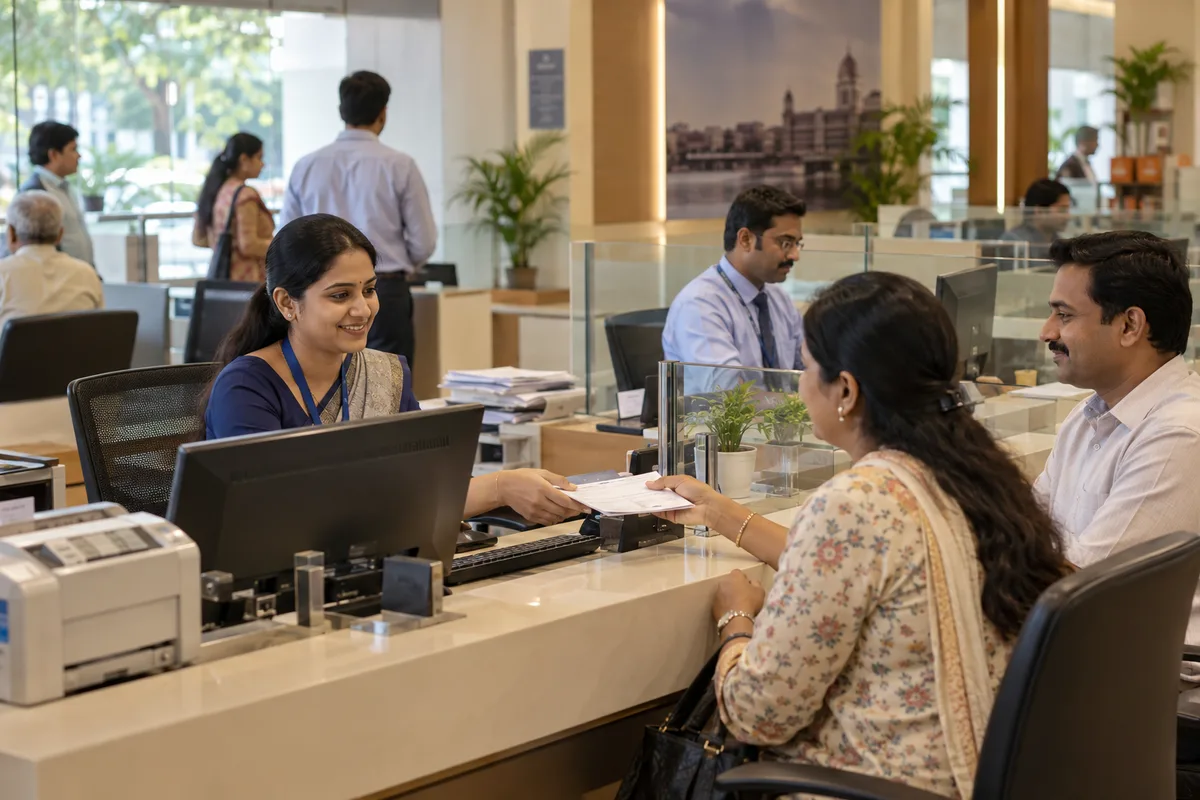
What local SEO means
Local SEO is the work of making your business show up for searches that name your town or locality, such as a service plus an area name. GullySales sets up locality pages, local citations and map listings so nearby customers find you before a competitor across town.
Last updated 8 Nov 2026. Rules for this trade differ by state and professional body, and they change. We describe restrictions in general terms, so check the current position with your own council or adviser before you publish anything.
For banks
Where it usually goes wrong, and what we would do.
“Each branch needs its own local search presence”
A customer searching for a bank branch near a specific locality needs that exact branch to appear, and a single, generic corporate website page cannot represent every branch's local relevance.
“Reviews at the branch level affect local ranking directly”
A branch with recent, responded-to reviews ranks and appears more trustworthy in local search than one with an old, unmanaged review profile, even within the same bank.
“Locality names in branch page content help nearby searches”
A branch page mentioning the specific area, nearby landmarks and the local business community it serves ranks better for a nearby search than a templated page identical across all branches.
What we do
What we deliver for banks.
The work available for this need. We agree the deliverables and responsibilities for your engagement in writing.
Branch-specific local landing page
A page for each branch naming the locality, nearby landmarks and the specific products it serves, not a single templated page repeated everywhere.
Result: A branch appears for the exact local search a customer types.
Branch-level review management
A routine for collecting and responding to reviews at each branch, since review recency affects local ranking directly.
Result: Each branch's local ranking reflects its actual current service.
Local citation and directory consistency
A check that each branch's name, address and phone number match exactly across every directory and listing site.
Result: Search engines trust the branch's details enough to rank it well.
Local search ranking tracked by branch
Ranking and enquiry data tracked separately for each branch, not as a single combined bank-wide figure.
Result: You see which specific branch is winning or losing local search.
How the result is measured
- Map pack ranking
- Local search visibility
- Enquiries by locality
Recorded as a baseline before work starts, so every later report has an honest comparison.
What Google weighs here
How a customer nearby finds a branch for a loan or an account, and what to fix first.
- Branch and ATM as separate places
- Each branch is a Bank listing at its own pin, and a stand-alone ATM is an ATM listing. Do not merge them. A customer who wants cash must reach an ATM, and one who wants a loan must reach a desk.
- IFSC and branch code
- Add the IFSC and branch code to each branch description. A customer comparing the website's branch locator, the passbook and Maps should see one branch, written the same way each time.
- Services at this branch
- List what that desk actually offers, such as lockers, forex, an NRI desk or Saturday banking. Searchers filter on these. A service shown but not available at that branch brings a complaint, not an enquiry.
- Duplicates made by others
- Search for each branch name and old addresses. Third parties create listings, and customers review the wrong one. Claim them or mark them duplicates, and have the branch locator link to the real pin.
- Replies that move to the grievance route
- Write one short reply for a public complaint that thanks the customer and gives the branch number and grievance channel. Do not ask for account details in a public reply, and let the compliance team approve the text.
- Accessibility details
- Mark wheelchair access, parking and the entrance with a photograph at the door. Senior citizens search for these before visiting, and an unmarked side gate is a reason they pick another bank.
Who it is for
This is written for these banks.
- Private sector bank branches
- Public sector bank branches
- Regional rural banks
- Cooperative banks
- Small finance banks
- Business correspondent networks
- NRI-focused branches
- MSME-focused branches
Not for
It is not the right fit if.
- The branch has no address that customers can find on a map, or it is shared with another bank's counter, so a listing would confuse people.
- The listing for your branch is run from head office, and a local change needs a request you have not made.
Before you decide
Agree the work. Know how to judge it.
Local SEO for banks: use these checks to prepare, choose the scope, and review what changes.
Bring the right evidence
Confirm the real business address, service area, contact details, and who controls the business listings. Keep examples of calls that came from the wrong location or asked for a service you do not provide.
Make the scope clear
Choose the locations you actually serve and the information each needs. Agree who approves listing changes, responds to enquiries, and keeps opening hours accurate.
Check the work in use
Check the journey from a local search to a call or enquiry on a phone. The address, service area, and description should agree across your website and listings.
Know when to change course
Do not create an office claim for a place where you only serve customers remotely. Clear service coverage is more useful than a misleading local presence.
These are discussion points, not a fixed package. GullySales confirms the deliverables, responsibilities, fee, and term in writing after reading your brief and speaking with you.
How it works
How the local SEO work runs
The work itself, in order. How an engagement starts, from your brief to a written scope, is set out on our method page.
- 1
Branch selection and scope approval
Send your requirements brief, then discuss the locations and problems that matter most. GullySales puts the agreed work, fee, and term in writing before delivery begins.
- 2
Access and factual sign-off
You confirm account access and approve the branch information record. Missing ownership or verification requirements are identified before changes dependent on them proceed.
- 3
Search review and priority decision
We record the baseline and examine searches around the agreed locations. You review which profile corrections, pages, and listings take priority.
- 4
Content approval and publishing handoff
Your branch contact checks factual details and photographs. Approved profile changes and listing requests proceed, while page work follows the agreed website publishing arrangement.
- 5
Enquiry handoff and review
The person handling calls tests the contact route and records enquiry outcomes. Reporting frequency and the review arrangements are agreed in writing before work starts.
Where this fits
Three pieces of sales work, in this order.
This work sits inside sales process design, at stage 1, prospecting and lead generation. The audit comes before it, and sales management keeps it running.
Step 1
Sales audit
Find where deals are being lost and what to fix first.
Start here if you cannot say where orders are lost.
Step 2 · you are here
Sales process design
One written way to sell, from first enquiry to repeat order.
Start here if every salesperson sells differently.
Step 3
Sales management
A target, a review routine and someone who owns the number.
Start here if the team has targets and no routine.
FAQ
Questions owners ask before they call.
Not here? More answers, or ask on WhatsApp.
How long does this take for a branch network?
Do smaller branches need this too?
Customers post complaints about the head office on our branch listing. What do we do?
Can a business correspondent point or a DSA desk have its own listing?
How much does it cost?
How long is the contract?
Who will actually do the work?
What do you need from us?
What if we are not happy with the work?
From the blog
Further reading for banks.
 6 min read · 6 Oct 2026How buyers decide which lender or adviser to trustPeople choosing a bank, lender, adviser or insurer start with a name someone gave them, then check you before calling. See what they look for.
 7 min read · 21 Sept 2026How to advertise to airport travellersA terminal is a small number of regular flyers counted many times, and the crowd changes completely between the six o'clock bank and the summer holidays.
 6 min read · 29 Jan 2026Local search for a financial services office: profile, reviews and what you can sayHow a financial services office can set up its Google Business Profile, ask for reviews and reply to them without breaking client confidentiality.
More for banks
Related work to consider.
Closest to this: search and visibility
Also for banks
Or start from the overview: sales and marketing for banks.
Your next practical step
Tell us what you are trying to grow, and we will read it before we call.
Eight short steps, mostly taps. Skip anything you would rather answer on the call.