Veterinary clinics · Public relations
Get quoted on the local news segment about monsoon pet illnesses.
Public relations for a veterinary clinic means getting a vet quoted in local media or community groups on seasonal pet health concerns, such as tick-borne illness or heatstroke risk. GullySales pitches this and turns the coverage into content the clinic can reuse.
Scope, fee, reporting and term are agreed in writing after we have read your brief and spoken to you.
What public relations means
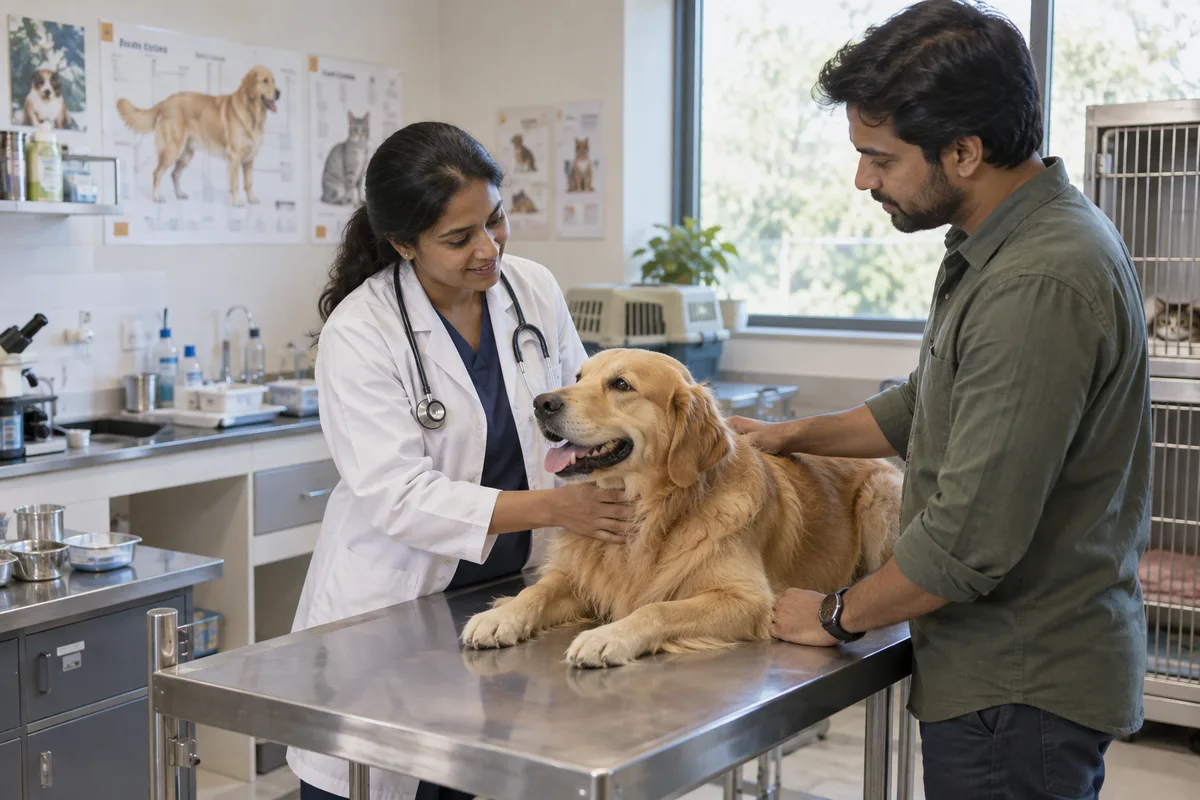
Public relations is getting your business covered by journalists, trade publications or local news, which carries more trust than an advert because a third party is saying it. GullySales pitches your story to the right publications and prepares your team for interviews when coverage is offered.
Last updated 5 Oct 2026. Rules for this trade differ by state and professional body, and they change. We describe restrictions in general terms, so check the current position with your own council or adviser before you publish anything.
For veterinary clinics
Where it usually goes wrong, and what we would do.
“Seasonal health warnings are a reliable pitch angle”
Local media regularly cover seasonal pet health risks, and a vet offering clear, quotable advice ahead of the season gets picked up more easily than a general pitch.
“Community group involvement builds quiet local trust”
A vet speaking at a residential association event about basic pet first aid reaches exactly the local owners the clinic wants to serve.
“A rescue or shelter partnership earns genuine local coverage”
Supporting a local animal shelter or rescue group, mentioned honestly, gives media and community groups a real story to cover.
What we do
What we deliver for veterinary clinics.
Every deliverable, what it covers for you, and the result it is there to produce. Nothing here is an extra.
A seasonal media pitch on pet health risks
A quotable, ready pitch offered to local media ahead of a seasonal risk such as tick-borne illness or heatstroke, timed before the season peaks.
Result: The vet gets quoted as the clear, useful voice on that season's risk.
A speaking slot at a local community event
An offer to speak at a residential association or community group on basic pet first aid, reaching local owners directly.
Result: Local owners meet the vet in person before they ever need one.
A local shelter or rescue partnership, honestly told
Support for a local animal shelter or rescue, described factually, giving media and community groups a real story worth covering.
Result: The clinic earns coverage for something genuinely done, not a promotional claim.
Coverage turned into reusable content
Any media mention or event appearance turned into a page, post or clip the clinic can reuse on its own channels.
Result: One piece of coverage keeps working long after it first ran.
A running media and mentions log
A simple record of every pitch sent, response received and mention published, kept so the clinic can see what worked.
Result: You know which pitch angles are actually landing with local media.
How the result is measured
- Coverage secured
- Publication reach
- Enquiries after coverage
Recorded as a baseline before work starts, so every later report has an honest comparison.
What is worth telling the press
What a vet can offer a local paper or pet owners' group.
- Seasonal pet warnings
- Offer the vet's comment on tick fever in the monsoon, heatstroke in summer and noise stress at Diwali. Say what an owner can do and when to call the clinic.
- A shelter partnership told honestly
- If you support a local shelter with vaccination or sterilisation, publish only what the shelter confirms. Ask whether it wants its name used.
- A talk for a housing society
- Offer a short talk on first-year puppy care, vaccination or caring for senior dogs. Societies with many pet owners often have a pets' WhatsApp group.
- An awareness day
- World Rabies Day and World Veterinary Day give a paper a reason to print a vet's comment. Use the day to point to a vaccination camp.
- A stray feeding dispute
- Neighbourhood fights over stray dogs reach the news. Decide beforehand what the clinic will say, stay within animal welfare law and do not take sides.
- The vet's credentials
- A mention should carry the vet's name, degree and state veterinary council registration as the register lists them. Keep the clinic's papers ready.
Who it is for
This is written for these veterinary clinics.
- Small animal clinics
- Multi-vet veterinary hospitals
- Mobile and home-visit vet services
- Exotic and avian veterinary practices
- Farm and large animal veterinary services
- Pet grooming and wellness clinics with vet services
- 24-hour emergency veterinary hospitals
- Veterinary diagnostic and referral centres
How it works
From your first message to the first report.
No open-ended retainer. Every step gives you something in writing.
First
Your brief
You tell us what you need in a few short steps: your business, what you want, where enquiries come from and how they are handled.
After the brief
A conversation and a written scope
We read it, then talk with whoever handles your enquiries. If you want our help, the scope, the fee and the reporting come in writing, and nothing starts before you have read them.
Before work starts
Baseline recorded
The numbers this work is meant to move, such as enquiries, quotations, orders, visits or renewals, written down so every later report has an honest comparison.
After the baseline
The first fix goes live
The fix we agreed to start with is put in place and measured against the baseline, whether that is a reply, a follow-up, a page, a listing or the handover between marketing and sales.
As agreed
Report against the baseline
What moved, what did not, and what changes next, in plain words. How often you get it is set in writing before work starts.
At renewal
Renew on the numbers
The term ends and you decide whether to continue from the results. The length is agreed in writing before anything starts.
How the public relations work runs
- 1
Understand what is newsworthy
We identify genuine stories in your business, since manufactured news rarely earns real coverage.
- 2
Audit relevant press
We research which journalists and publications actually cover your industry or locality.
- 3
Prepare the pitch
A release or pitch is written specifically for the target publication, not sent as a mass broadcast.
- 4
Approach and follow up
Journalists are approached directly, with a reasonable follow-up rather than a single unanswered email.
- 5
Measure and prepare ahead
Coverage is tracked, and a communications plan is kept ready for any significant matter that may need a public response.
Why us
Why owners pick GullySales over an agency.
Marketing and sales, as one job
Most agencies stop at the enquiry. We also fix what happens after it: the reply, the follow-up, the quote and the CRM.
The person on the first call does the work
No account managers in between. You are never handed to someone you have not met.
A baseline before anything starts
Your numbers are written down on day one, so every later report compares against something honest.
The fee in writing, split three ways
Our time, your media spend and production on separate lines. You always see what goes to us.
No guarantees we cannot keep
The term is agreed in writing and never a default twelve months. We never promise a ranking or a lead count, because nobody controls those.
One office, and we say so
Nagarbhavi, Bengaluru. We work across India by call and WhatsApp and travel when a session needs to be in person.
#257, 3rd floor, Sri Nanjundeshwara Complex, Nagarbhavi 8th Block, Outer Ring Road. How we work.
Your brief
Tell us what you need, and we will read it before we call.
Eight short steps about your business, what you want and who decides. Most questions are a tap, and you can skip any you would rather answer on the call.
FAQ
Questions owners ask before they call.
Not here? More answers, or ask on WhatsApp.
Do we need a formal press release for this?
How is success measured?
Who should speak to the press about a stray dog dispute?
A paper printed the wrong advice from our vet. What should we do?
How much does it cost?
How long is the contract?
How soon will we see results?
Who will actually do the work?
What do you need from us?
What if we are not happy with the work?
From the blog
Further reading for veterinary clinics.
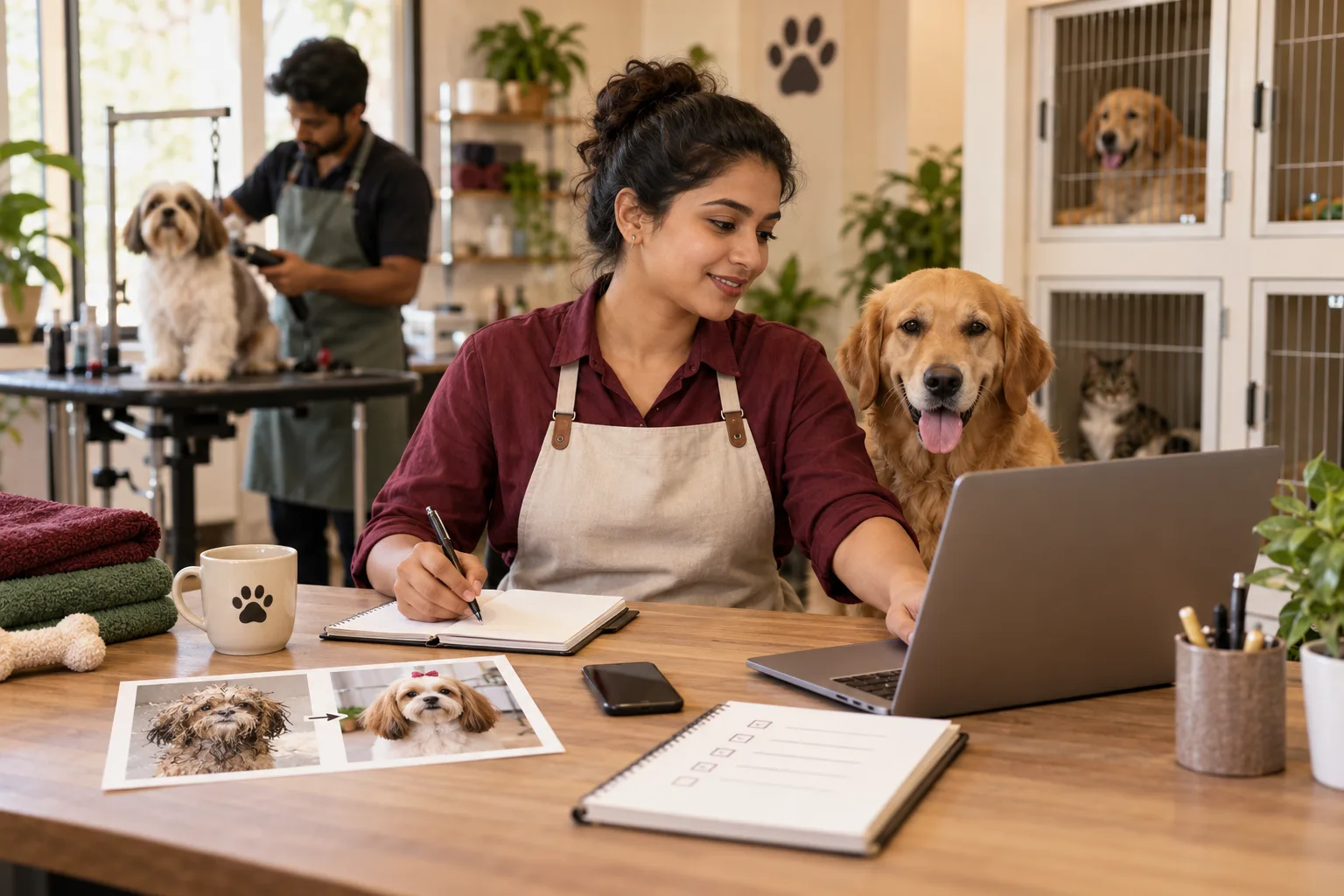 6 min read · 26 Aug 2026Pet grooming marketing: how to get grooming and boarding customersPet grooming marketing works on Maps, reviews, before and after photographs and fast replies. Boarding is won on trust. Here is how to fill both, and what a plan should cover.
 8 min read · 19 Aug 2026The pet parent journey: from the first search to regular visitsThe pet parent journey runs from the first anxious search to years of repeat visits. Here are the stages, and where Indian clinics lose owners.
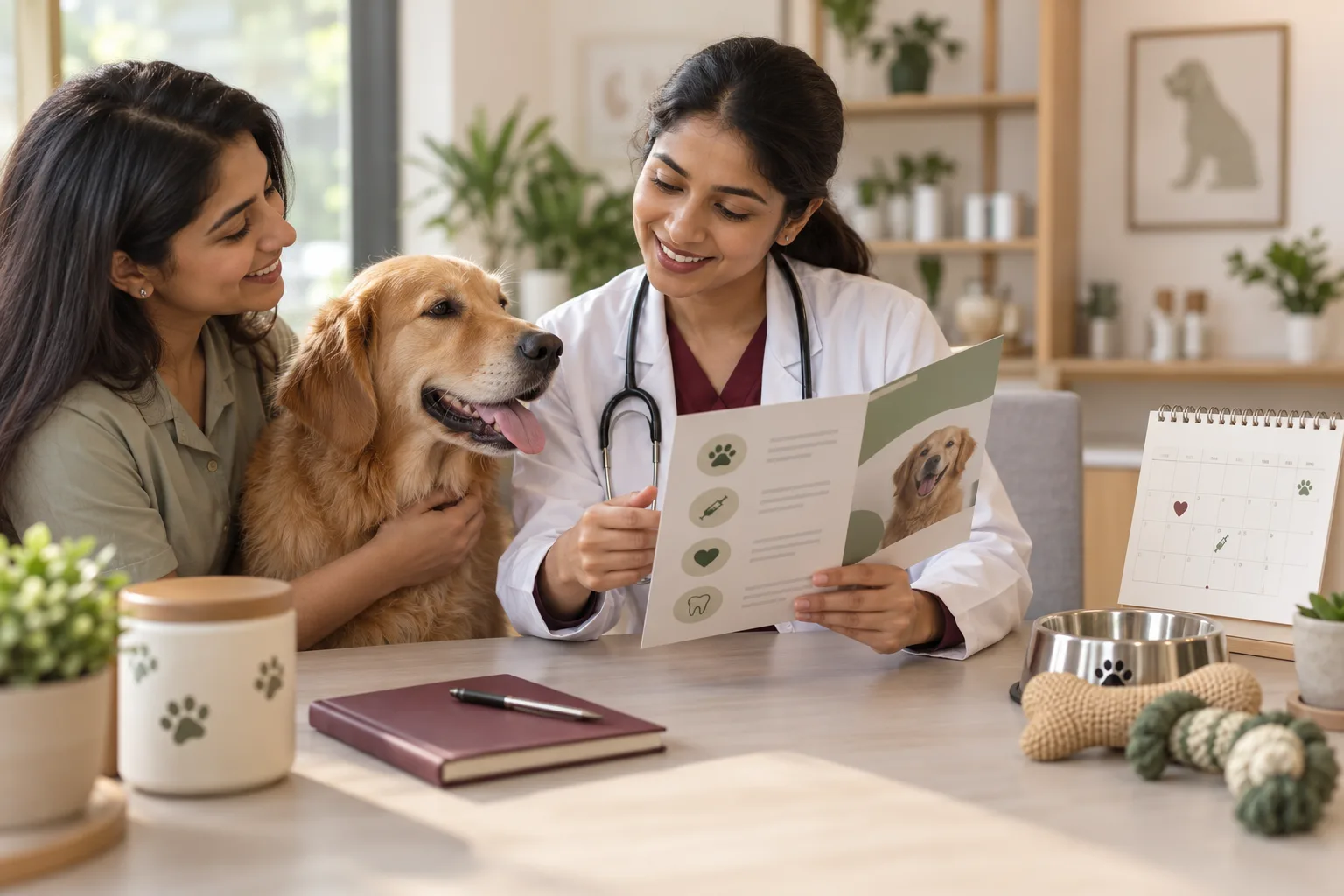 7 min read · 20 May 2026Loyalty programmes for pet clinics: the ones owners actually useA loyalty programme for a pet clinic is not a points card. It is a wellness plan paid up front, reminders for care that is already due, and one small standing benefit a regular notices.
More for veterinary clinics
Everything else we would do for you.
Closest to this: reputation
Also for veterinary clinics
Or start from the overview: sales and marketing for veterinary clinics.
Your next practical step
Tell us what you are trying to grow, and we will read it before we call.
Eight short steps, mostly taps. Skip anything you would rather answer on the call.